

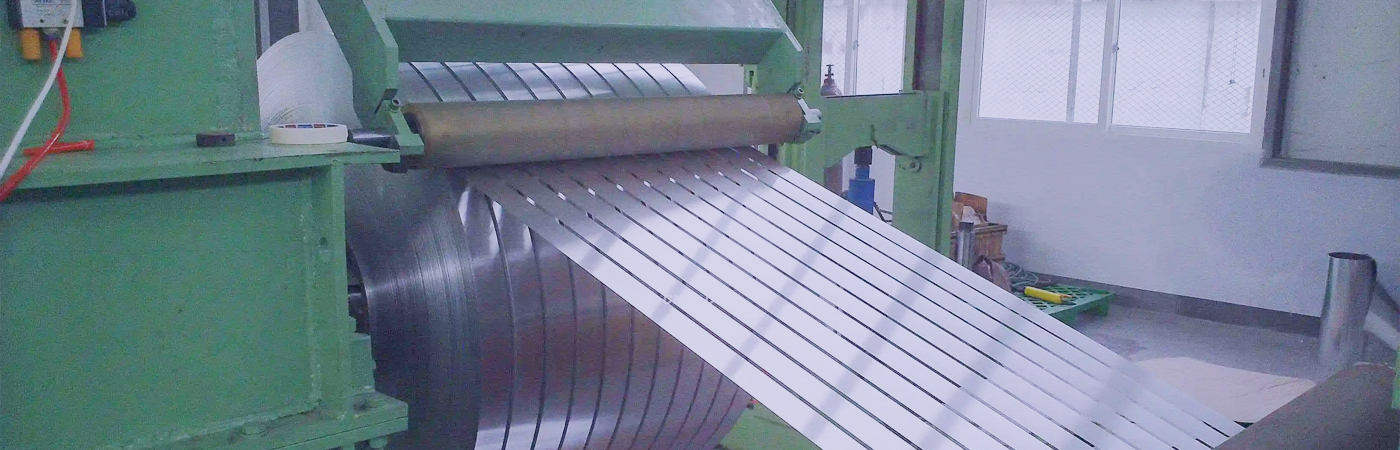
Aluminium Channel Letter Coil
Channel letter fabrication depends on narrow aluminium stock that can be bent repeatedly without edge cracking, paint damage, or inconsistent return height. The main purchasing risk is not nominal thickness alone. It is bend consistency, which is controlled by alloy, temper, thickness variation, slit-edge condition, coil set, and coating flexibility.
A channel letter return is normally made from slit aluminium with a width matching the required letter depth. The material passes through a bending machine or is manually formed, then is fixed to the letter face and back. Small variation in hardness or edge quality can create visible defects across a sign project.
Specify Material for Reliable Forming
For painted returns, 1000-series aluminium is widely selected where easy bending is the priority. Grades such as 1050, 1060, and 1100 have high aluminium content and good formability. For signs requiring greater rigidity, 3003 or 3005 can be considered, provided the bending machine and return radius are validated with production samples.
1050 Aluminium Metal Strip is appropriate when tight bending, clean folded corners, and economical decorative finishing are the main requirements. For a stronger manganese-alloy option, evaluate 3000 Series Aluminum Strip with a forming trial before releasing the order.
| Selection factor | 1000-series aluminium | 3003 / 3005 aluminium |
|---|---|---|
| Formability | Very good, suitable for tight returns | Good, but requires radius and temper control |
| Relative strength | Lower | Higher |
| Typical use | Standard illuminated letters, trim returns | Larger letters, deeper returns, higher rigidity needs |
| Surface appearance | Suitable for painted, mill-finish, or coated stock | Suitable for coated architectural-style finishes |
| Main control point | Prevent dents during handling | Prevent cracking at tight bends |
Recommended starting specification for formed letters: 0.50 mm to 0.80 mm thickness, H14 or H24 temper, slit width matched to return depth, and deburred edges. This range is common in the sign industry, but it is not a universal standard. Confirm the final thickness through a machine trial, especially for deep returns, small-radius letters, and high-wind outdoor installations.
Do not specify only "soft aluminium." Require an agreed temper and documented mechanical properties. Temper changes affect springback, fold shape, and how the material tracks through automatic channel letter equipment.
Standards, Finish, and Inspection Requirements
The purchase order should identify the governing standard and the required edition. Common references include ASTM B209/B209M for aluminium and aluminium-alloy flat products, EN 573-3 for chemical composition, and EN 485-2 for mechanical properties of wrought aluminium products. Dimensional tolerances for narrow slit material should be stated directly in the order because permissible tolerances depend on alloy, thickness, width, and the standard edition.
For pre-painted stock, distinguish between the metal specification and coating-performance specification. AAMA 2603, AAMA 2604, and AAMA 2605 are widely referenced performance standards for organic coatings on aluminium architectural products. They can support a coating requirement, but the stated coating system, film thickness, colour tolerance, gloss, adhesion requirement, and intended exposure must still be written into the specification.
Use this order checklist to avoid avoidable production stoppages:
Alloy and temper: for example, 1050-H14 or 3003-H14.
Thickness: nominal value plus agreed positive and negative tolerance.
Slit width: return depth requirement plus agreed width tolerance.
Inside diameter, outside diameter, coil mass, and allowable welds per coil.
Surface: mill finish, stucco, brushed, painted, or protective-film-covered.
Paint system: polyester, SMP, PVDF, or other stated system; specify colour code and gloss range.
Slit edge: burr direction, maximum allowable burr, edge wave, and camber requirement.
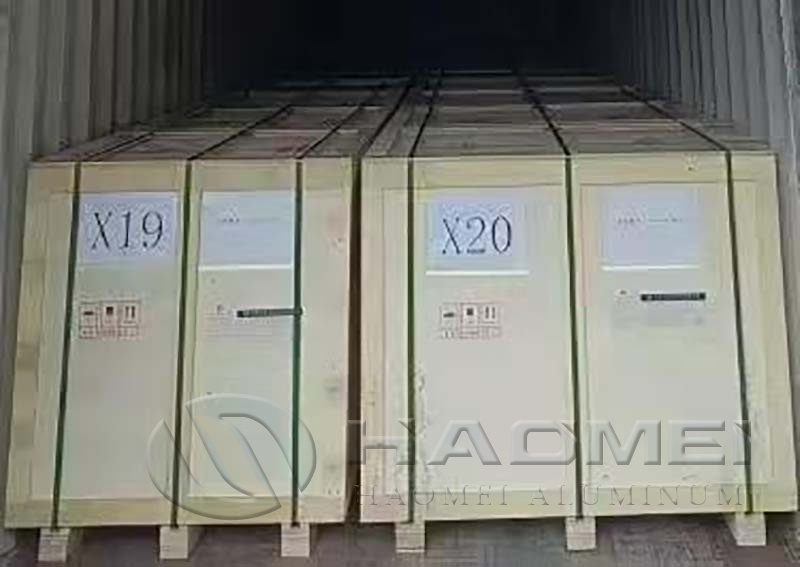
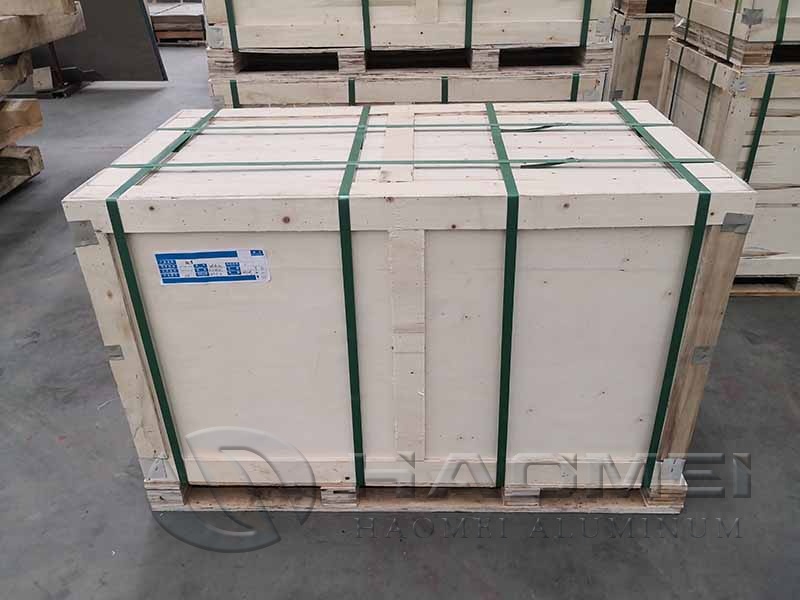
Packaging: vertical or horizontal eye orientation, moisture barrier, edge protectors, and pallet method.
Documentation: mill test certificate, coating data sheet, packing list, and inspection report.
The slit edge deserves special attention. A sharp or heavy burr can scratch painted surfaces, interfere with feeding, and create a crack initiation point during tight bends. Request a sample showing both edges and inspect it under consistent lighting. On pre-painted aluminium, check for coating fractures along the outside bend after forming.
A practical receiving test is a 90-degree bend trial using the smallest production radius. Test material from the coil head, middle, and tail. Record any paint whitening, cracking, edge splitting, or unacceptable springback. This is more relevant to channel letter performance than a visual coil inspection alone.
Control Cost Through Measurable Commercial Terms
Material price should be quoted separately from conversion items. Ask suppliers to identify the aluminium base price reference, alloy surcharge where applicable, painting charge, slitting charge, protective film, packaging, freight terms, and currency basis. Comparing a delivered price without matching these elements can make two offers appear equivalent when they are not.
Use the theoretical mass calculation to reconcile quoted coil weight and consumption:
Mass per metre (kg/m) = width (m) × thickness (m) × 2,700 kg/m³
For example, 60 mm wide material at 0.60 mm thickness weighs approximately 0.097 kg/m before allowing for trim loss, joints, and fabrication scrap. Use actual certified coil weight for invoicing and production planning.
| Incoming check | Method | Acceptance action |
|---|---|---|
| Alloy and temper | Review mill test certificate against order | Hold material if grade or temper differs |
| Thickness | Measure across width with calibrated micrometer | Compare with agreed tolerance |
| Width and camber | Tape measure and straight-edge check | Verify machine-feed compatibility |
| Paint adhesion | Cross-hatch or bend test as agreed | Reject coating lift or bend cracking |
| Surface condition | Inspect under neutral white light | Segregate scratches, dents, oil, and colour variation |
| Coil set and feeding | Run trial through production equipment | Confirm stable tracking and repeatable returns |
Release material only after the trial confirms consistent bends, acceptable coating appearance, clean edges, and documented conformance to the stated alloy, temper, dimensions, and finish requirements.
Original source: https://www.aluminumstrip24.com/news/aluminium-channel-letter-coil.html
Tags: Aluminium Channel Letter Coil, Channel Letter Returns, Aluminium Strip,
Previous: Flexible Aluminium Strips
Next: