

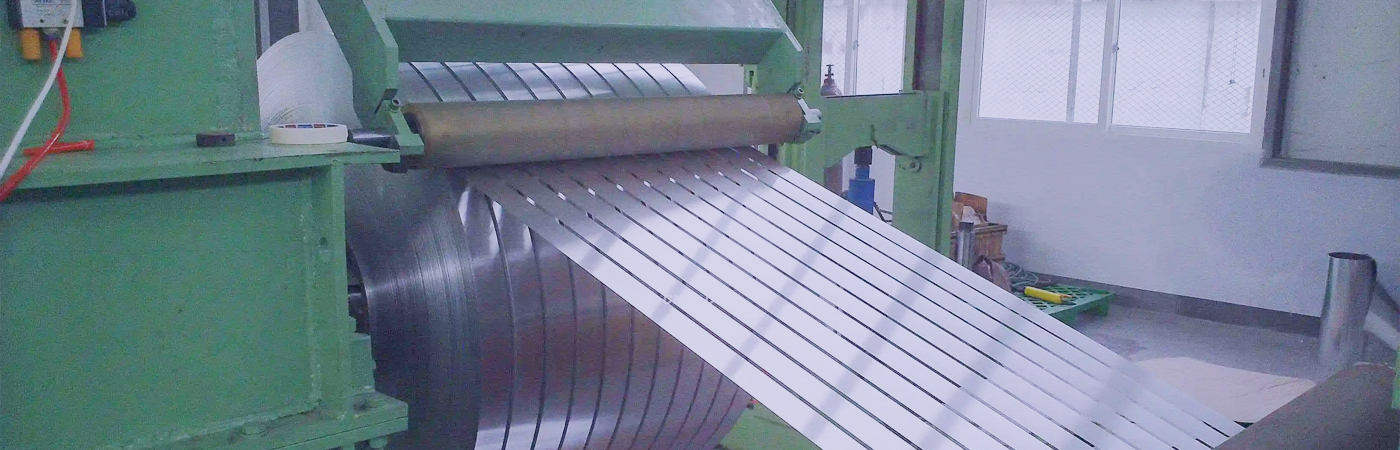
Aluminium Strip 5mm
Recent English Q&A discussions around aluminium strip 5mm often show the same practical concern: people are not only asking for a size, they are trying to avoid choosing the wrong alloy, temper, tolerance, or finish. The term can also be confusing because 5mm may describe thickness, width, edge radius, or a narrow cut size. Before asking for a quote or starting fabrication, define exactly which dimension is 5mm.
| Search wording people use | What it may actually mean | What to confirm before ordering |
|---|---|---|
| aluminium strip 5mm thick | 5mm thickness | Width, length, alloy, temper, surface finish |
| 5mm wide aluminium strip | 5mm width | Thickness, burr control, coil ID or straight length |
| 5mm aluminum flat bar | Usually thicker, cut-to-length material | Tolerance, edge condition, extrusion vs rolled material |
| 5mm aluminium strip for LED | Often narrow decorative or heat-spreading part | Anodized finish, straightness, thermal needs |
1. Is aluminium strip 5mm bendable by hand, or do I need a brake?
If 5mm refers to thickness, most people should not expect clean hand bending. A 5mm thick aluminium strip can be bent, but the required force depends heavily on alloy, temper, width, and bend radius. Soft commercial-purity grades bend more easily, while high-strength grades may crack if the bend radius is too tight.
For simple brackets, edging, panels, and frame parts, a press brake or proper forming jig is usually preferred. A larger inside bend radius reduces cracking risk. As a practical starting point, soft tempers may tolerate a radius close to the material thickness, while harder tempers may need several times the thickness. For very narrow 5mm wide material, bending is easier, but twisting and uneven edges become bigger problems.
For high formability and clean shaping, 1050 Aluminium Metal Strip is commonly selected where strength is less important than ductility, corrosion resistance, and a neat surface.
2. What alloy is best for aluminium strip 5mm?
There is no single best alloy because the right choice depends on use. The most frequent Q&A mistake is selecting only by size and ignoring temper. Two strips with the same 5mm dimension can behave very differently if one is soft and the other is hard.
| Application | Common alloy direction | Why it is chosen |
|---|---|---|
| Decorative trim and edging | 1050, 1060, 1100 | Good surface, easy forming, corrosion resistance |
| Electrical or thermal parts | 1050, 1060, 1070 | Higher conductivity than many alloyed grades |
| Outdoor fixtures | 3003, 5052 | Better corrosion behavior and practical strength |
| Brackets and structural parts | 5052, 6061, 6082 | Higher strength, better load capacity |
| DIY bending and craft work | Soft 1000 series or 3003 | Easier to cut, drill, and bend |
For wet, marine-adjacent, or outdoor environments, 5052 Aluminum Strip is often considered because it combines corrosion resistance with better strength than pure aluminium grades. If anodizing color consistency is important, confirm alloy suitability before production.
3. How much does a 5mm aluminium strip weigh per meter?
Weight is one of the hottest questions because freight cost, handling, and installation all depend on it. Aluminium density is usually estimated at 2.70 g/cm3. For a rectangular strip, use this formula:
Weight per meter in kg = thickness mm x width mm x 0.0027
| Thickness | Width | Approx. weight per meter |
|---|---|---|
| 5mm | 10mm | 0.135 kg/m |
| 5mm | 20mm | 0.270 kg/m |
| 5mm | 50mm | 0.675 kg/m |
| 5mm | 100mm | 1.350 kg/m |
| 2mm | 5mm | 0.027 kg/m |
If 5mm means width rather than thickness, the weight can be much lower. For example, 1mm thick x 5mm wide aluminium strip weighs only about 0.0135 kg per meter. Always state thickness first, then width, then length to reduce misunderstanding.
4. Can aluminium strip 5mm be used for LED channels, ceiling trim, or edging?
Yes, but the expected performance must be realistic. For LED channels, aluminium helps spread heat, but thermal performance depends on contact area, profile shape, thickness, and airflow. A narrow 5mm wide strip may work as a mounting or decorative element, yet it may not replace a full heat sink for high-power LEDs.
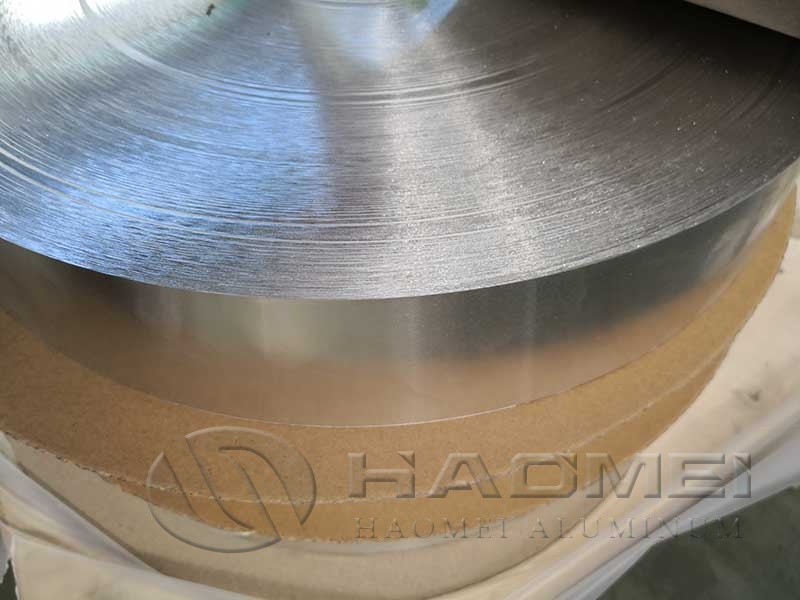
For ceiling trim, signage, furniture edging, and small architectural lines, surface quality matters as much as alloy. Ask about mill finish, brushed finish, anodized finish, powder coating, protective film, and edge deburring. If the strip is visible after installation, scratches, waviness, and edge burrs become obvious.
For edging, consider how the part will be fixed. Adhesive bonding needs a clean and compatible surface. Screws require hole spacing that will not distort the strip. Snap-in trim needs tighter width tolerance and consistent straightness.
5. What tolerances and ordering details should I specify for aluminium strip 5mm?
A simple request such as aluminium strip 5mm is not enough for stable production. Precision requirements affect price, lead time, packaging, and whether the material can be slit cleanly. Narrow widths require careful slitting control, while thicker material may need saw cutting, shearing, or leveling.
| Specification item | Example wording | Why it matters |
|---|---|---|
| Dimension | 5mm thick x 30mm wide x 2000mm long | Prevents confusion between width and thickness |
| Alloy and temper | 1050 O, 3003 H14, 5052 H32 | Controls strength, bending, and corrosion behavior |
| Tolerance | Thickness +/-0.05mm, width +/-0.10mm | Helps fit grooves, frames, or assemblies |
| Edge condition | Deburred, rounded, slit edge, saw-cut edge | Reduces injury risk and improves appearance |
| Surface | Mill finish, anodized, brushed, coated | Affects appearance and post-processing |
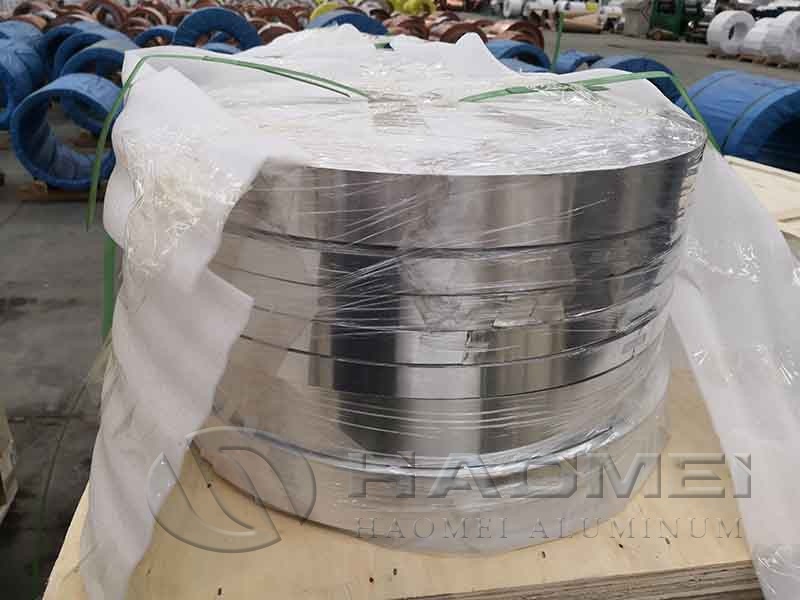
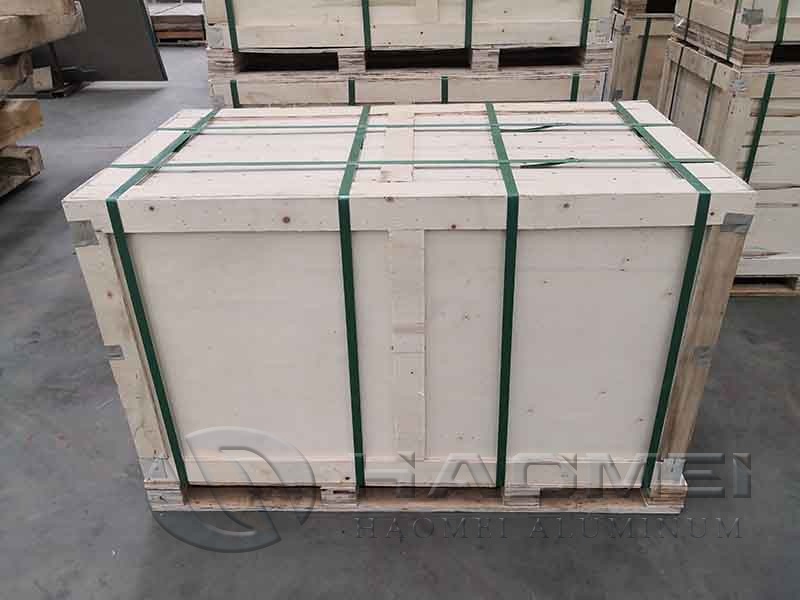
| Packaging | Bundled straight bars or wound stock | Protects against scratches and bending damage |
If the part will be punched, drilled, stamped, bent, anodized, welded, or bonded, share that process before material selection. A supplier can then suggest a practical alloy and temper instead of simply matching the visible dimension. For trial orders, request a small sample or short test run with the same temper and surface finish planned for production. This avoids discovering bend cracks, color mismatch, burr issues, or fit problems after full processing has started.
Original source: https://www.aluminumstrip24.com/news/aluminium-strip-5mm.html
Tags: aluminium strip 5mm, aluminum strip 5mm, 5mm aluminium strip, aluminum flat strip,
Previous: Aluminium Strip Price
Next: Aluminium Strips for Sale