

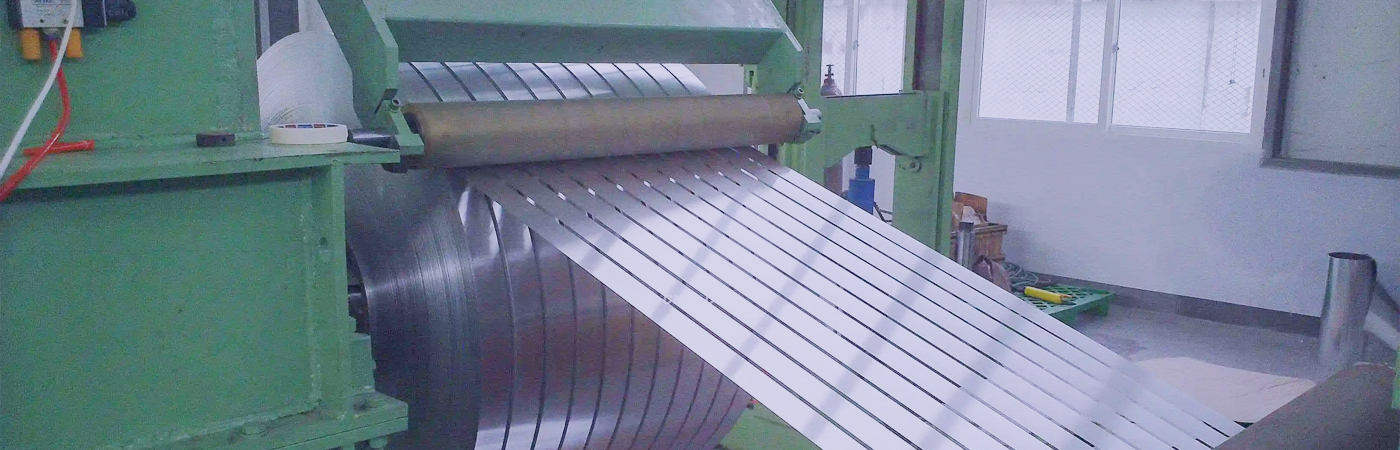
Aluminium Strip Roll
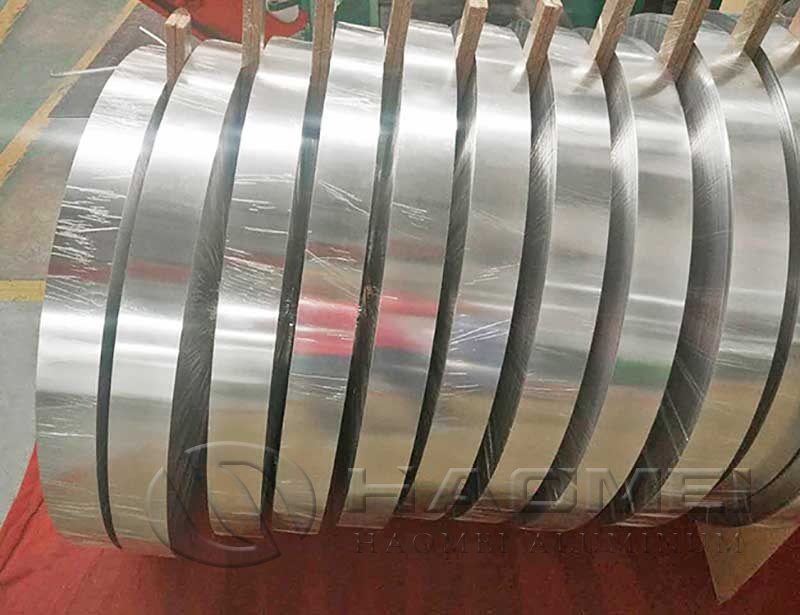
An aluminium strip roll is usually purchased for repeatable processing: transformer winding, stamping, cable wrapping, heat exchangers, caps, nameplates, or decorative ceilings. The main procurement risk is not only alloy selection. It is whether every roll keeps stable thickness, width, edge quality, surface condition, and mechanical properties during high-speed production.
This article focuses on one top concern: tolerance control. A small deviation in thickness or burr height can cause winding gaps, stamping cracks, poor insulation clearance, or unstable automated feeding.
1. Define the application before selecting the roll
Start with the end process, not the alloy name. The same aluminium grade can perform differently after annealing, slitting, tension leveling, or surface treatment.
| Application | Common alloy options | Typical temper | Critical concern | Practical selection note |
|---|---|---|---|---|
| Transformer winding | 1050, 1060, 1070, 1350 | O, H12 | Conductivity, burr, edge waviness | Require conductivity report and rounded or deburred edges |
| Stamping and deep drawing | 1050, 1060, 1100, 3003 | O, H14 | Elongation, surface scratches | Softer temper improves formability but lowers strength |
| Decorative ceiling systems | 3003, 3004, 5005 | H24, H26 | Flatness, coating adhesion | Confirm coating standard and color tolerance |
| Cable armoring or wrapping | 1060, 3003, 5052 | O, H14 | Flexibility, corrosion resistance | 5052 gives higher strength and marine corrosion resistance |
| Heat dissipation parts | 1050, 1060, 3003 | O, H14 | Thermal conductivity, cleanliness | Avoid oil residues that affect bonding or brazing |
For general conductor and stamping use, 1050 Aluminium Metal Strip is often specified when high purity, good formability, and consistent surface quality are required. For applications that need higher electrical conductivity, 1070 Aluminum Flat Strip is frequently evaluated.
2. Standards that should appear on the order
Use recognized standards to avoid ambiguous terms such as commercial quality or normal tolerance. The purchase document should state alloy, temper, dimensions, tolerance class, surface condition, edge condition, roll inner diameter, roll outer diameter or weight, and inspection documents.
| Requirement | Common reference standard | What it controls |
|---|---|---|
| Chemical composition | EN 573, ASTM B209/B209M, Aluminum Association designations | Alloy limits such as Si, Fe, Cu, Mn, Mg, Zn, Ti |
| Mechanical properties | EN 485-2, ASTM B209/B209M | Tensile strength, yield strength, elongation by temper |
| Dimensional tolerances | EN 485-4, ASTM B209/B209M | Thickness, width, length, squareness where applicable |
| Inspection certificate | EN 10204 3.1 | Traceable mill test certificate issued by manufacturer |
| Electrical conductivity test | ASTM E1004 or IEC 60468 methods may be referenced by agreement | Conductivity verification for electrical applications |
| Restricted substances | EU RoHS Directive 2011/65/EU, REACH Regulation EC 1907/2006 | Compliance for electrical and consumer-related products |
Do not rely on verbal tolerance claims. Ask for the exact standard edition or the mill internal tolerance table. In precision slitting, some manufacturers can supply tighter tolerances than general standard limits, but this must be written into the contract.
3. Tolerance control: what to inspect before mass production
Thickness tolerance directly affects weight, resistance, winding fill factor, stamping force, and thermal performance. Width tolerance affects die feeding and transformer layer alignment. Burr and edge cracks can damage insulation paper or cause tearing during forming.
| Item | Why it matters | Recommended verification method |
|---|---|---|
| Thickness | Controls electrical resistance, part weight, forming load | Micrometer or automatic gauge; measure head, middle, tail positions |
| Width | Affects winding alignment and stamping feeding | Caliper or width gauge across several roll sections |
| Burr height | Prevents insulation damage and die wear | Optical microscope or burr gauge after slitting |
| Camber | Reduces feeding deviation in continuous production | Lay sample on a flat table and measure side deviation over set length |
| Edge crack | Prevents breakage during bending or winding | Visual inspection with magnification where needed |
| Surface oil | Affects welding, coating, lamination, adhesive bonding | Dyne test, solvent wipe, or agreed cleanliness test |
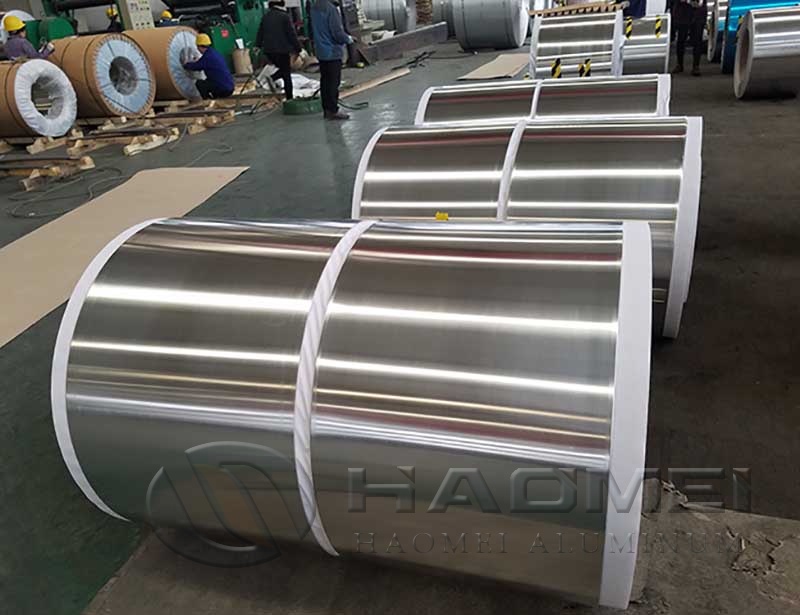
| Roll telescoping | Prevents handling damage and line stoppage | Check side face alignment, packing tension, and core condition |
A practical sampling plan is to inspect at least the first roll from each heat and slitting batch, then increase sampling if any parameter approaches the agreed limit. For transformer strip, inspect both edges because one poor edge can become the inner or outer winding side depending on production direction.
4. Alloy and temper comparison for performance
Pure aluminium grades are chosen for conductivity and workability. Manganese and magnesium grades are chosen when strength or corrosion resistance is more important.
| Alloy group | Typical properties | Strength level | Conductivity tendency | Main risk if misused |
|---|---|---|---|---|
| 1050, 1060, 1070 | High aluminium purity, excellent formability | Low | High | Too soft for load-bearing parts |
| 1100 | Commercially pure aluminium with good corrosion resistance | Low | High | May not meet high conductivity targets without verification |
| 3003 | Al-Mn alloy, better strength than pure aluminium | Medium | Medium | Lower conductivity than 1xxx grades |
| 5005, 5052 | Al-Mg alloy, good corrosion resistance | Medium to high | Lower | Forming cracks if temper is too hard |
| 6061, 6063 | Heat-treatable Al-Mg-Si alloys | High after treatment | Lower | Not usually selected for high-conductivity winding |
For electrical products, do not approve material only by alloy. Require conductivity values on the mill certificate. For example, electrical-grade aluminium is commonly evaluated in % IACS at 20°C, and the minimum value must be specified in the order when resistance is a design parameter.
5. Price structure: compare total usable cost
Aluminium roll pricing normally follows a formula: aluminium market price plus conversion charge plus alloy, temper, tolerance, surface, packing, and freight adjustments. The London Metal Exchange publishes aluminium reference prices, but the paid price also depends on regional premiums, order size, processing complexity, and payment terms.
| Cost factor | Why it changes price | Procurement action |
|---|---|---|
| Base aluminium price | Market-linked and changes daily | Agree pricing date or average quotation period |
| Alloy | Higher purity or Mg-containing grades may cost more | Compare actual performance need, not only alloy series |
| Thickness and width | Thin and narrow rolls require more precise slitting | Ask whether tight tolerance is included or charged separately |
| Temper | Annealing and tension leveling add processing cost | Match temper to forming or winding process |
| Surface treatment | Coating, degreasing, brushing, or film protection adds cost | Specify only necessary surface requirements |
| Packing | Export seaworthy packing prevents edge and moisture damage | Include packing drawing or photo standard in the order |
| Yield loss | Burr, scratches, telescoping, and off-tolerance sections reduce usable weight | Evaluate usable output, not only unit price per ton |
A lower unit price is not economical if 2% to 5% of the roll becomes scrap due to burrs, scratches, or width variation. For automated lines, line stoppage cost often exceeds the price difference between standard and precision slitting.
6. Order checklist for aluminium strip roll
Use this checklist before issuing a purchase order or trial order:
- Alloy and temper: for example, 1060 O or 3003 H14.
- Thickness and tolerance: state nominal value and tolerance standard.
- Width and tolerance: include slitting tolerance and burr requirement.
- Inner diameter: common options include 300 mm, 400 mm, 500 mm, or 508 mm, subject to supplier capability.
- Roll weight or outer diameter: match lifting equipment and production line limits.
- Surface: mill finish, degreased, coated, brushed, or film protected.
- Edge: slit edge, deburred edge, rounded edge, or special winding edge.
- Test documents: chemical composition, mechanical properties, conductivity when applicable, EN 10204 3.1 if required.
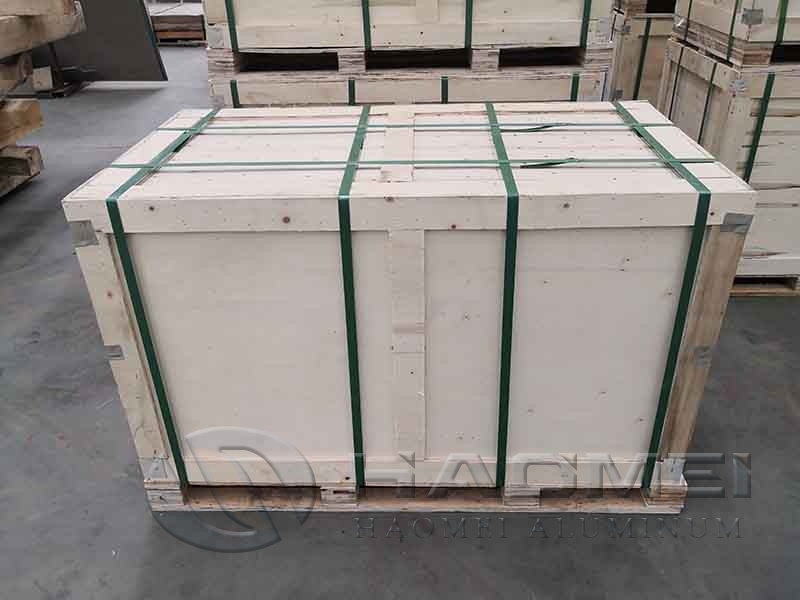
- Packaging: vertical or horizontal packing, moisture barrier, wooden pallet or case, edge protection.
- Traceability: heat number, roll number, batch number, and label format.
7. Acceptance rules for incoming inspection
When the shipment arrives, do not move all rolls directly to production. First check labels, packing integrity, moisture marks, side-face damage, and roll telescoping. Then cut samples from the outer layer after removing any transport-damaged wraps.
Recommended acceptance sequence:
- Confirm certificate data against the purchase order.
- Measure thickness and width at multiple positions.
- Inspect edge burr and surface defects under adequate lighting.
- Test trial feeding, winding, stamping, or forming on one roll.
- Record actual scrap rate and compare it with the agreed tolerance.
- Quarantine rolls with mixed labels, water stains, crushed edges, or abnormal camber.
For repeat orders, keep retained samples and inspection records. This gives both sides objective data when discussing tolerance adjustment, process improvement, or claims.
Original source: https://www.aluminumstrip24.com/news/aluminium-strip-roll-2026-06-01.html
Tags: Aluminium Strip Roll, Aluminum Strip Roll, Aluminum Strip Tolerance, Transformer Winding Strip,
Previous: Aluminium Nose Bridge Strips
Next: