

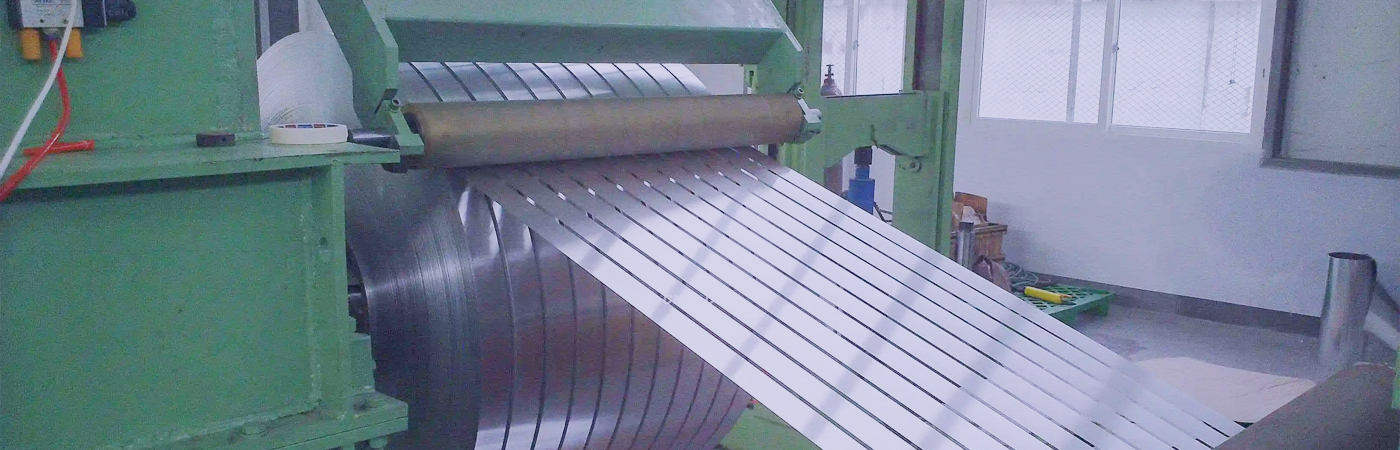
Aluminum Strips for Sale
Aluminum strips for sale are often evaluated by alloy, thickness, and price first. However, for stamping, roll forming, bending, and continuous production, slit-edge quality is frequently the factor that determines whether material runs smoothly or creates costly line stoppages.
A strip may meet nominal width and still cause problems when edges have excessive burrs, camber, sharpness, or deformation from slitting. These defects can damage tooling, affect coating adhesion, create cracks during forming, or reduce the consistency of finished parts.
For high-volume fabrication, specify edge condition as clearly as alloy and temper. A usable quotation should identify the material standard, chemical composition basis, dimensional tolerances, coil direction, inside diameter, and inspection requirements. This approach reduces ambiguity before production begins.

Specify the Alloy, Temper, and Edge Condition First
The correct alloy depends on formability, corrosion exposure, conductivity, strength, and finishing requirements. Pure aluminum grades in the 1000 series are widely used where high electrical conductivity, reflectivity, or deep drawing performance is needed. The 3000 series provides improved strength and is commonly selected for building components, heat-transfer applications, and general forming. The 5000 series is suitable for environments requiring higher corrosion resistance and moderate strength.
For example, 1050 Aluminium Metal Strip is commonly specified for electrical, decorative, and formed components requiring good workability. For marine-influenced, humid, or industrial environments, 5052 Aluminum Strip can offer better corrosion resistance than non-magnesium grades.
| Application requirement | Suitable material direction | Edge condition to request | Practical concern |
|---|---|---|---|
| Deep drawing or tight bending | 1050, 1060, 1100 in soft temper | Deburred or controlled burr | Reduces edge cracking during forming |
| Painted ceiling and trim systems | 3003, 3004, 3105 | Smooth slit edge, low camber | Supports coating appearance and alignment |
| Electrical connectors and bus components | 1050, 1060, 1070 | Burr direction specified | Helps prevent insulation damage and assembly interference |
| Corrosion-resistant formed parts | 5052, 5005 | Rounded or deburred edge where required | Reduces handling hazards and stress concentration |
| Precision stamped components | Alloy and temper matched to tooling | Maximum burr height stated | Protects dies and improves part repeatability |
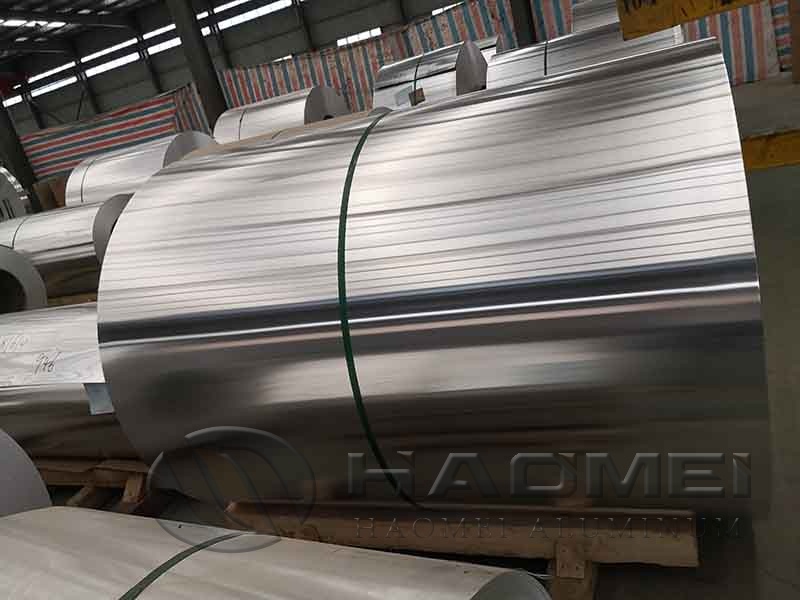
A purchase specification should state whether the edge is mill edge, slit edge, deburred edge, or rounded edge. Do not assume that "slit edge" automatically means burr-free. Slitting normally creates a burr side and a fracture side; the degree of burr depends on blade clearance, strip thickness, material temper, and slitter condition.
Ask the supplier to identify the burr measurement method and acceptance limit. Burr height is application-specific, so a universal value is not appropriate. A narrow strip used near insulation or precision tooling may require a tighter limit than material used for non-critical trim.
Use Measurable Tolerances Instead of General Descriptions
Terms such as "high precision" and "good edge" are not inspection criteria. Put measurable values in the purchase order and require the same values on the material test certificate and inspection record where applicable.
EN 485-2 covers mechanical properties and tolerances for aluminum and aluminum alloy flat products, including strip. EN 485-1 addresses technical inspection and delivery requirements. Where North American specifications are required, ASTM B209/B209M is commonly referenced for aluminum and aluminum-alloy sheet and plate; confirm that the selected standard, dimensions, temper, and inspection scope match the ordered product.
Use this specification checklist before releasing an order:
- State alloy designation, such as AA 1050, AA 3003, or AA 5052.
- State temper, such as O, H14, H24, or H32, rather than only "soft" or "hard."
- Define thickness, width, and permitted deviations in millimeters or inches.
- Specify slit-edge condition and maximum allowable burr where the application requires it.
- Set coil weight range, inside diameter, outside diameter, and winding direction.
- Specify acceptable camber, telescoping, edge wave, and coil set if material enters automated equipment.
- Request a material test certificate showing heat or batch traceability, chemistry, mechanical properties, and dimensional inspection results.
- Define packaging requirements, including moisture barrier, pallet type, edge protection, and labeling.
| Inspection item | Why it matters | How to state it clearly |
|---|---|---|
| Thickness tolerance | Controls fit, stiffness, and forming response | Nominal thickness plus permitted deviation |
| Width tolerance | Prevents assembly mismatch and scrap | Nominal slit width plus permitted deviation |
| Burr height | Affects tooling, safety, and insulation | Maximum burr height and measurement location |
| Camber | Influences feeding and straightness | Maximum camber over a defined length |
| Coil telescoping | Affects safe unwinding | Maximum allowable offset at coil faces |
| Surface condition | Protects appearance and coating performance | Permitted marks, oil level, and defect criteria |
Verify Quality Records, Price Structure, and Delivery Readiness
Material price should be separated from technical compliance. Aluminum market pricing changes with exchange benchmarks, regional premiums, conversion charges, freight, packaging, and currency. The London Metal Exchange publishes aluminum reference pricing, but it is not a finished-strip price. A usable supplier quotation should distinguish the metal basis from slitting, annealing, coating, packaging, testing, and logistics charges.
Review these records before accepting material:
- Material test certificate with alloy, temper, chemical composition, and tensile test results where applicable.
- Coil identification that connects each coil to a production batch or heat.
- Dimensional inspection report for thickness and width.
- Edge-condition inspection record when burr or edge deformation is controlled.
- Packing list showing net weight, gross weight, coil count, and individual coil identification.
- Regulatory declarations relevant to the destination market, such as REACH and RoHS declarations when required for the finished application.
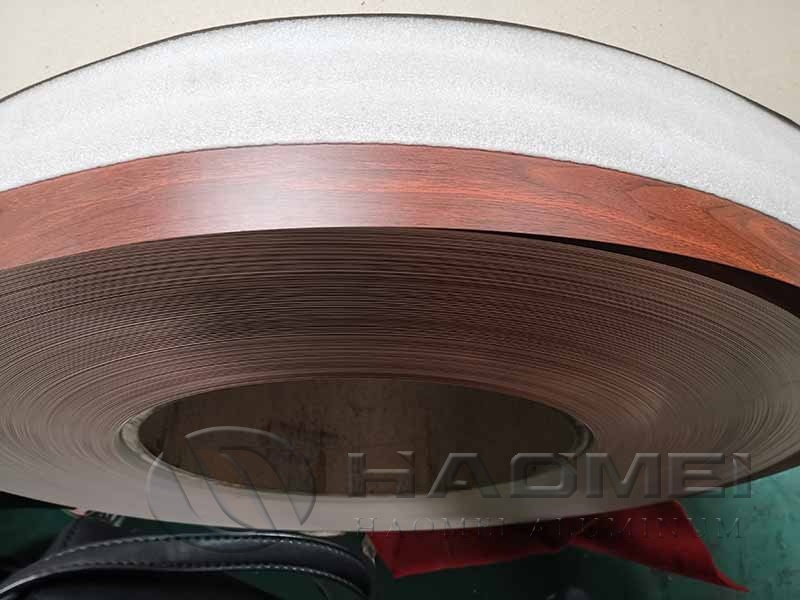
For coated or decorative products, request a sample or agreed visual standard before full production. Color, gloss, texture, and wood-grain appearance can vary by coating system, lighting, and viewing angle. For anodized material, define anodic coating requirements by applicable standards and intended service environment.
A practical receiving inspection starts with packaging condition, coil labels, width, thickness, and visible edge quality. Then inspect a representative number of coils for burr direction, camber, surface scratches, telescoping, and winding quality. If the strip will be stamped or formed, run a controlled trial through the actual tooling before releasing all material to production.
When slit-edge requirements, dimensional tolerances, and traceability records are written into the order, aluminum strip sourcing becomes more predictable. The result is less rework, steadier processing, and material that performs according to the intended fabrication method.
Original source: https://www.aluminumstrip24.com/news/aluminum-strips-for-sale.html
Tags: aluminum strips for sale, aluminum strip tolerance,
Previous: Thin Aluminium Strips
Next: