

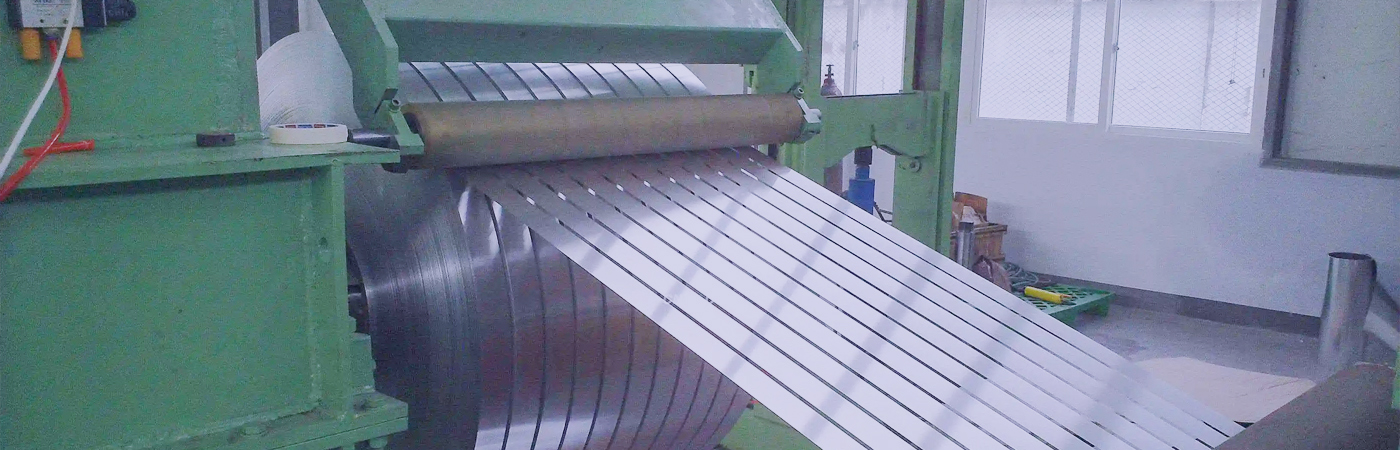
5052 Aluminum Strip
For India-based projects, Diwali is expected on November 8, 2026. The festival period can compress installation schedules for commercial fit-outs, retail renovations, ceiling systems, transport components, and equipment enclosures. Material arriving with surface staining, coil damage, or an unverified temper can create avoidable delays when fabrication teams are working to a fixed reopening date.
A well-specified 5052 aluminum strip is a practical holiday solution when the priority is corrosion resistance combined with formability. This aluminum-magnesium alloy is widely used for fabricated parts exposed to humid air, intermittent moisture, and ordinary industrial environments. It is non-heat-treatable, so strength is developed principally through cold work and temper selection.
According to ASTM B209/B209M, 5052 is an aluminum alloy with magnesium and chromium additions. Published composition limits identify magnesium at 2.2-2.8% and chromium at 0.15-0.35%, with the balance aluminum and controlled limits for other elements. These additions support better corrosion resistance than many general-purpose aluminum grades, but they do not make the material immune to every chemical environment.
Why corrosion resistance matters during holiday installation windows
The central concern for seasonal projects is not simply obtaining strip on time. It is receiving material that remains usable after transport, storage, slitting, bending, and installation.
For exterior trim, humid-area panels, appliance parts, marine-adjacent fittings, and painted components, corrosion performance can reduce rework risk. 5052 alloy is commonly selected where a pure aluminum strip may be too soft and a higher-strength alloy may be less suitable for forming or corrosive exposure.
Use the comparison below to align the grade with the application.
| Material option | Practical advantage | Limitation to check | Suitable project use |
|---|---|---|---|
| 5052 alloy strip | Good corrosion resistance and forming capability | Temper affects bend performance | Trim, enclosures, ceiling profiles, formed covers |
| 1060 strip | High aluminum content and electrical conductivity | Lower strength than 5052 | Electrical and simple decorative parts |
| 3003 strip | Good workability and moderate strength | Different corrosion and finish requirements | General formed sheet-metal work |
| 6061 strip | Higher strength after heat treatment | Less suitable for tight forming in some tempers | Structural fabricated components |
When conductivity or low-strength deep forming is the main requirement, compare the specification with 1000 Series Aluminum Strip rather than selecting 5052 by habit. For corrosion-exposed fabricated parts, retain the required alloy, temper, and finish on every purchase document.
Corrosion-control checklist before release
Define the exposure: indoor dry, indoor humid, outdoor sheltered, coastal, or chemical-contact service.
State whether the strip will be painted, anodized, laminated, or supplied as mill finish.
Specify temper, such as O, H32, H34, or another mutually agreed condition.
Confirm whether bending, stamping, roll forming, welding, or deep drawing will occur after slitting.
Request protection between layers when cosmetic surface quality matters.
Identify whether the final environment includes chlorides, alkaline cleaners, cement dust, or dissimilar-metal contact.
Do not describe any aluminum alloy as corrosion-proof. Chloride-rich environments, trapped moisture, poorly designed drainage, and galvanic contact with more noble metals can still accelerate corrosion. If aluminum contacts copper, stainless steel, or carbon steel in a wet assembly, specify isolation methods such as compatible coatings, nonconductive barriers, sealants, or appropriate fasteners.
Turn the strip specification into a Diwali-ready supply plan
Holiday scheduling works best when the material requirement is converted into measurable release points. A request that says only "5052 strip" leaves critical variables unresolved: thickness tolerance, edge condition, coil geometry, surface protection, and inspection documentation.
Use this specification table in the inquiry and purchase order.
| Item to define | What to state | Why it prevents disruption |
|---|---|---|
| Alloy and standard | 5052, ASTM B209/B209M or the agreed EN/JIS standard | Keeps chemistry and product form traceable |
| Temper | O, H32, H34, or project-required temper | Determines forming response and strength level |
| Thickness and width | Nominal values plus permitted tolerance | Avoids tooling and fit-up issues |
| Edge | Mill edge, slit edge, deburred, or rounded requirement | Reduces handling and forming problems |
| Coil dimensions | Inside diameter, outside diameter, maximum coil weight | Confirms compatibility with decoilers and handling equipment |
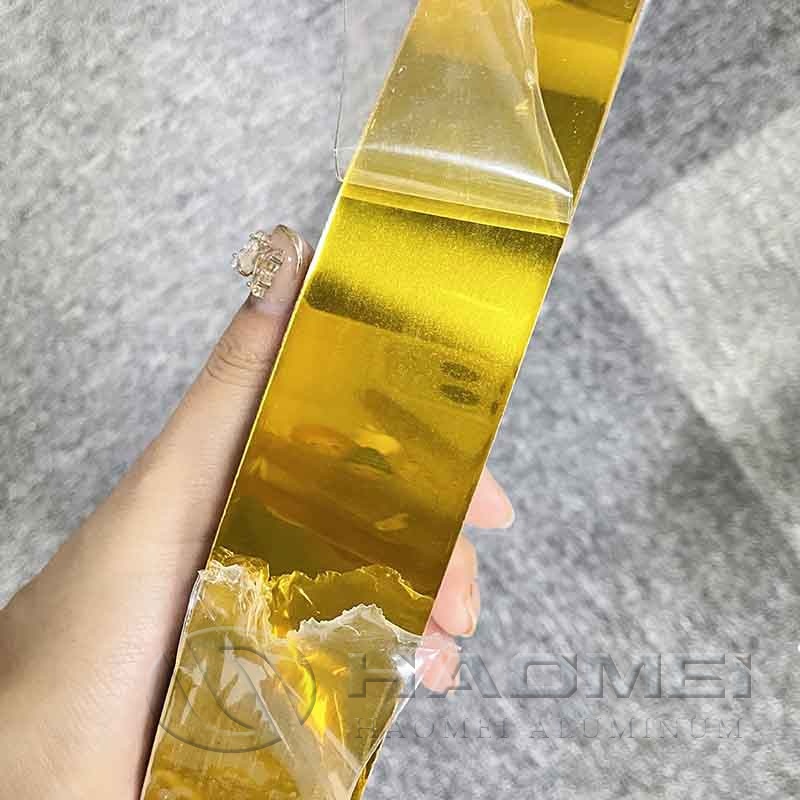
| Surface | Mill finish, coated, protective film, or paper interleaf | Protects appearance-sensitive parts |
| Documents | Mill test certificate, packing list, inspection requirement | Supports receiving inspection and traceability |
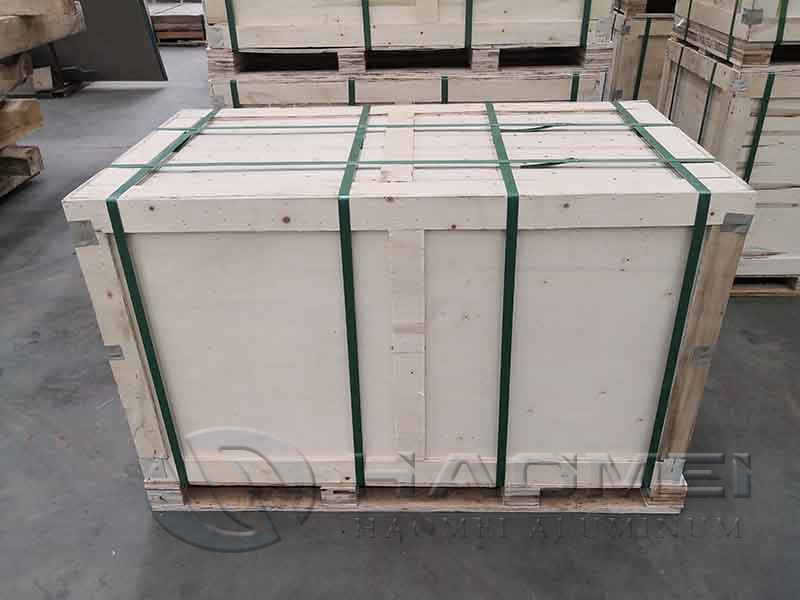
| Packing | Export seaworthy packing, pallet type, moisture barrier | Limits transport-related corrosion and deformation |
A mill test certificate should be reviewed against the agreed standard and order details. At minimum, match the heat or lot identification, alloy, temper, dimensions, and reported chemical composition. Mechanical-property requirements depend on product thickness and temper, so verify them against the applicable edition of the named standard rather than relying on a generic data sheet.
For projects where corrosion resistance and appearance are both important, evaluate 5052 Aluminum Strip options with surface protection, slit-edge control, and coil dimensions matched to the production line.
Four timing steps for the 2026 Diwali calendar
Eight to ten weeks before installation: Freeze alloy, temper, dimensions, coil weight, and surface condition. Send drawings for formed parts where bends or radii are critical.
Six to eight weeks before installation: Approve a sample or first-article inspection where finish, bend quality, or coating adhesion is important. Confirm document format and labeling requirements.
Three to five weeks before installation: Confirm packing photos, coil count, gross weight, transport method, receiving hours, and storage location. Avoid leaving coils in uncovered areas during monsoon-related moisture exposure.
At receipt: Inspect packaging before unloading. Check for wet wrapping, crushed coil edges, telescoping, stains, and mismatched labels. Record any damage before material enters production.
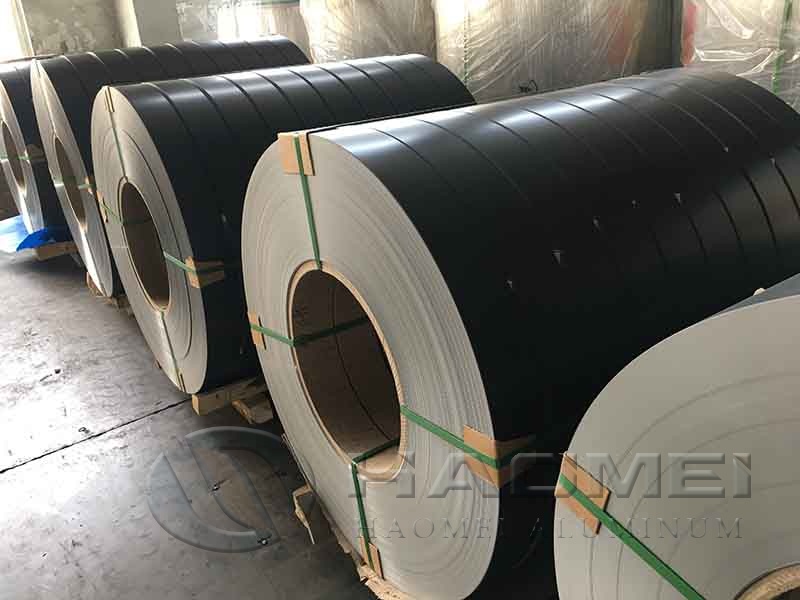
For ceiling strips, architectural trim, and coated decorative profiles, protect coils from condensation during storage. Keep material elevated from floors, dry, covered with breathable protection where appropriate, and acclimatized before opening sealed packaging in a humid warehouse. This helps reduce the risk of water staining caused by moisture trapped between surfaces.
A holiday-ready order is therefore defined by controlled corrosion exposure, verified temper, protected surfaces, and a receiving plan that allows fabrication teams to start work immediately after the Diwali break.
Original source: https://www.aluminumstrip24.com/news/5052-aluminum-strip.html
Tags: 5052 aluminum strip, corrosion-resistant aluminum strip,
Previous: What Are Alloys of Aluminum Fin Stock
Next: