

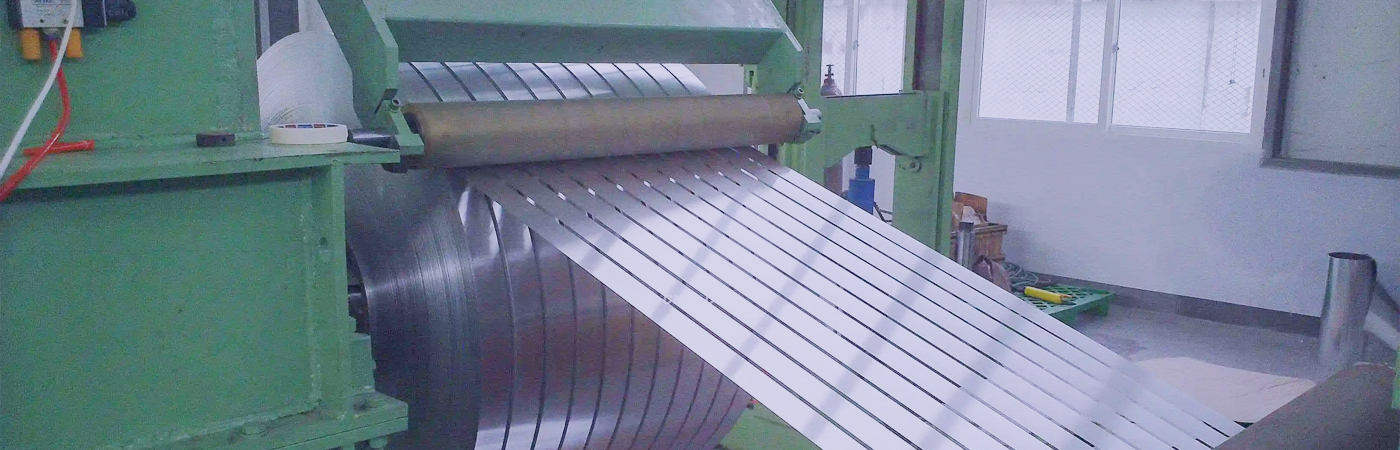
Aluminium Metal Strip
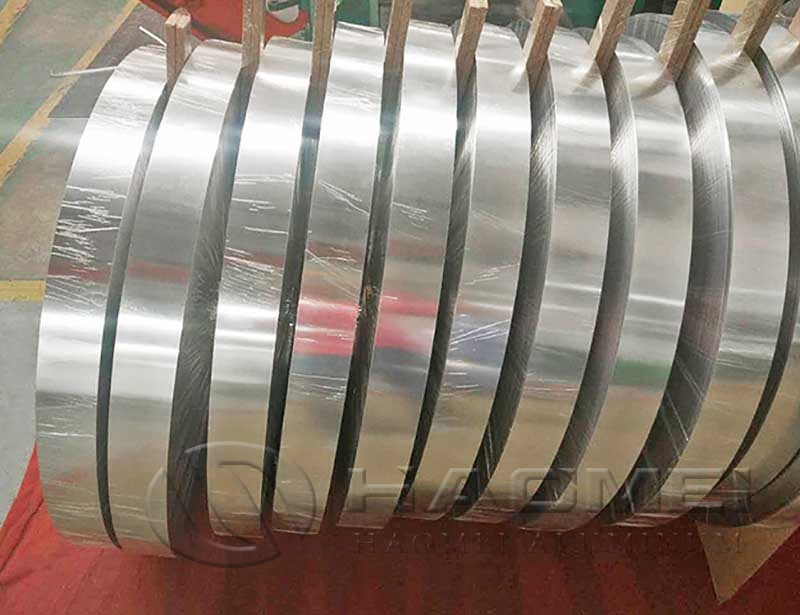
Recent discussions show that people searching for aluminium metal strip are usually comparing grade, temper, thickness, and finishing requirements before placing an order. The questions below reflect common high-intent wording seen in recent aluminium product searches, with practical answers focused on specification decisions rather than generic material descriptions.
| Question topic | Main decision factor | Typical applications |
|---|---|---|
| Best grade | Formability, conductivity, corrosion resistance | Electrical parts, trims, stamped pieces |
| Thickness | Required stiffness and fabrication method | Brackets, channels, edging, panels |
| Temper | Bend radius and hardness | Folding, pressing, roll forming |
| Surface finish | Appearance and protection | Decorative trim, ceiling systems, appliances |
| Order specification | Tolerance, edge, packaging, quantity | Production-ready material supply |
1. What is the best aluminium metal strip grade for bending and stamping?
For straightforward bending, deep drawing, light stamping, and decorative fabrication, 1050, 1060, and 1100 are usually the first grades to compare. These commercially pure aluminium grades have high aluminium content, good ductility, and reliable corrosion resistance. They are especially suitable where electrical conductivity or easy shaping matters more than high mechanical strength.
A soft-temper 1050 Aluminium Metal Strip is a practical choice for transformer winding components, cable shielding, lighting accessories, nameplates, and formed edge trims. Its relatively low strength is often an advantage during pressing because the material can follow tight shapes with less risk of cracking.
If the part must retain more shape after forming, consider a 3003 grade. Manganese additions give 3003 better strength than 1050 or 1060 while preserving useful formability. For humid, marine, or industrial environments, 5052 is frequently preferred because its magnesium content improves corrosion resistance and strength.
| Grade | Formability | Relative strength | Corrosion resistance | Common reason to choose it |
|---|---|---|---|---|
| 1050 | Excellent | Low | Good | Easy bending and conductivity |
| 1060 | Excellent | Low | Good | Electrical and general fabrication |
| 1100 | Excellent | Low | Good | Deep drawing and decorative work |
| 3003 | Good | Medium | Good | Stronger formed components |
| 5052 | Good | Medium-high | Excellent | Wet or corrosive service conditions |
When comparing quotations, do not choose solely by alloy number. The temper determines whether the aluminium metal strip behaves softly in a press or resists deformation during handling.
2. What thickness aluminium metal strip should I use for edging, brackets, or fabrication?
Thickness should be selected from the job function, unsupported span, forming radius, and fixing method. A narrow strip can feel rigid at a thickness that would be flexible in a much wider blank. Width therefore matters as much as gauge.
For light trim, labels, protective edging, and electrical applications, 0.20 mm to 1.00 mm is common. General folded profiles, appliance parts, and small brackets often use 1.00 mm to 3.00 mm. Heavier support pieces may require 3.00 mm and above, depending on load and design.
A useful purchasing approach is to identify the minimum acceptable thickness, then specify a realistic thickness tolerance. Very tight tolerances can raise processing cost, while overly broad tolerances may cause inconsistent press settings or poor fit in assembled parts. For thin material, flatness and burr control can be as important as nominal thickness.
3. Is 5052 aluminium metal strip better than 1050 for outdoor use?
Usually, yes, if the product will face frequent moisture, salt exposure, industrial pollutants, or repeated handling. 5052 has notably higher strength and better resistance to harsh atmospheric conditions than 1050. It is widely considered for vehicle trim, marine-adjacent fittings, enclosures, architectural details, and durable fabricated parts.
However, 1050 remains suitable for many indoor and lightly exposed applications. It naturally develops a protective oxide layer and performs well when standing water, salt spray, and aggressive chemicals are not major concerns. It also costs less in many markets and is easier to form in soft tempers.
Use 5052 when service conditions are demanding, but verify the fabrication plan. A tight bend may need a softer temper or a larger inside bend radius than an equivalent operation using annealed 1050. For projects requiring a stronger corrosion-resistant option, an 5052 Aluminum Strip should be specified with the intended temper, width, and surface condition rather than ordered only by alloy.
4. What does H14, H24, and O temper mean for aluminium metal strip?
Temper identifies the condition of the metal after rolling, annealing, or strain hardening. It directly affects hardness, tensile strength, springback, and bendability.
O temper means fully annealed material. It is the softest and most formable option, making it suitable for deep bends, drawing, spinning, and complex stamped shapes.
H14 temper is strain-hardened to a half-hard condition. It provides more stiffness than O temper while retaining moderate formability.
H24 temper is also half-hard, but it has been strain-hardened and then partially annealed. It can offer a useful balance when consistent forming behavior and surface quality are required.
A common mistake is ordering a grade that is correct but a temper that is too hard for the forming operation. Cracks at the bend line, excessive springback, or tool marks may result. Providing the fabricator's bend radius, direction of bend relative to rolling direction, and drawing depth helps a supplier recommend the right temper.
5. What details should be included when ordering aluminium metal strip?
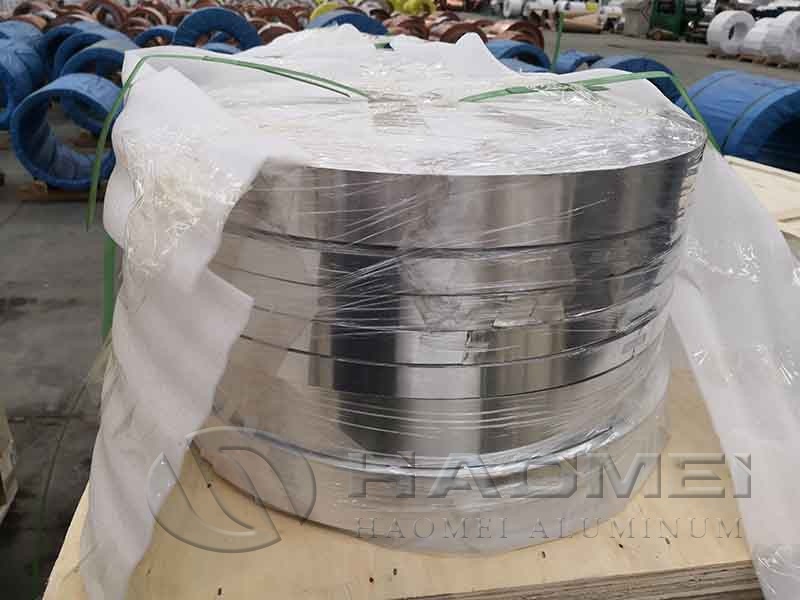
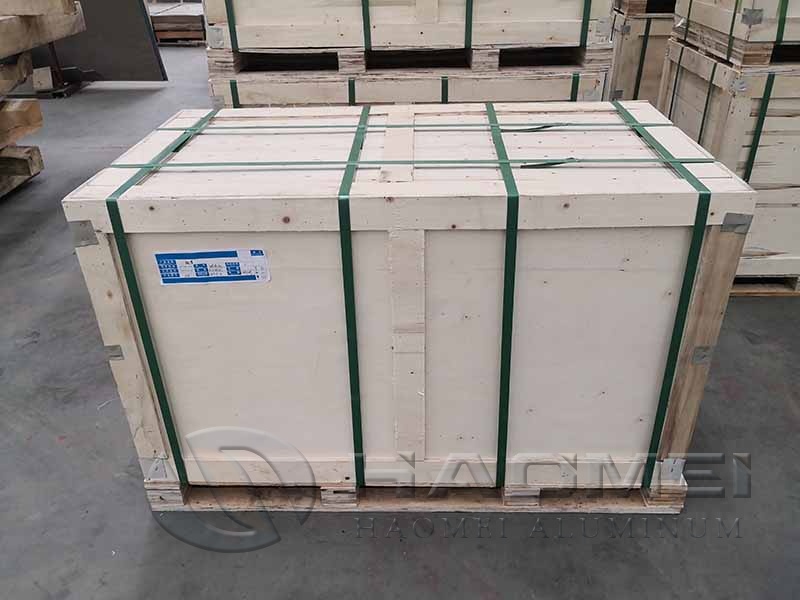
A complete inquiry reduces delays and makes quotations easier to compare. Start with alloy, temper, thickness, width, and required quantity. Then add the details that affect processing and usability, such as edge condition, surface finish, inner diameter, outer diameter, piece length, and packaging method.
For example, a clear specification may read: "1060-H14 aluminium metal strip, 0.50 mm x 25 mm, slit edge, mill finish, 300 mm inner diameter, paper interleaving, export-grade pallet packaging." This level of detail helps prevent receiving a roll that fits the chemical specification but not the production equipment.
Ask whether width tolerance is controlled after slitting, whether the edge is deburred, and whether camber limits are available. These points are particularly important for narrow material used in automated feeding lines. If appearance matters, request confirmation of mill finish, brushed finish, color coating, protective film, or acceptable surface marks before production begins.
For repeat orders, retain an approved sample or written technical specification that records the alloy, temper, dimensional tolerances, surface condition, coil orientation, and packaging requirements. This makes future aluminium metal strip orders more consistent across production batches.
Original source: https://www.aluminumstrip24.com/news/aluminium-metal-strip.html
Tags: aluminium metal strip, aluminum strip grades, aluminum strip thickness, 1050 aluminium strip, 5052 aluminum strip,
Previous: White Aluminium Strip
Next: Black Aluminium Strip