

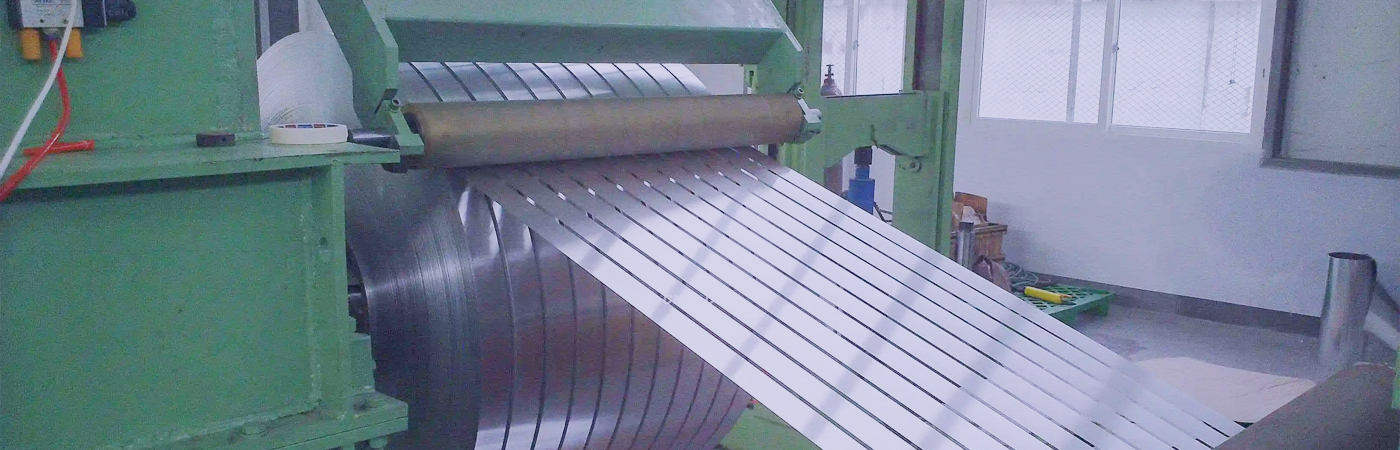
White Aluminium Strip
White aluminium strip is commonly supplied as a slit, coil-coated aluminium product for ceiling systems, shutters, trims, lighting reflectors, appliance panels, cable applications, and decorative components. For most specifications, the leading concern is not base-metal strength: it is consistent white colour and coating performance from the first coil to the final delivery.
A white finish can appear acceptable under one light source but differ visibly after installation under daylight or LED lighting. Prevent claims by specifying the alloy, temper, coating system, gloss, colour-control method, test standard, slit tolerance, and packaging before production.
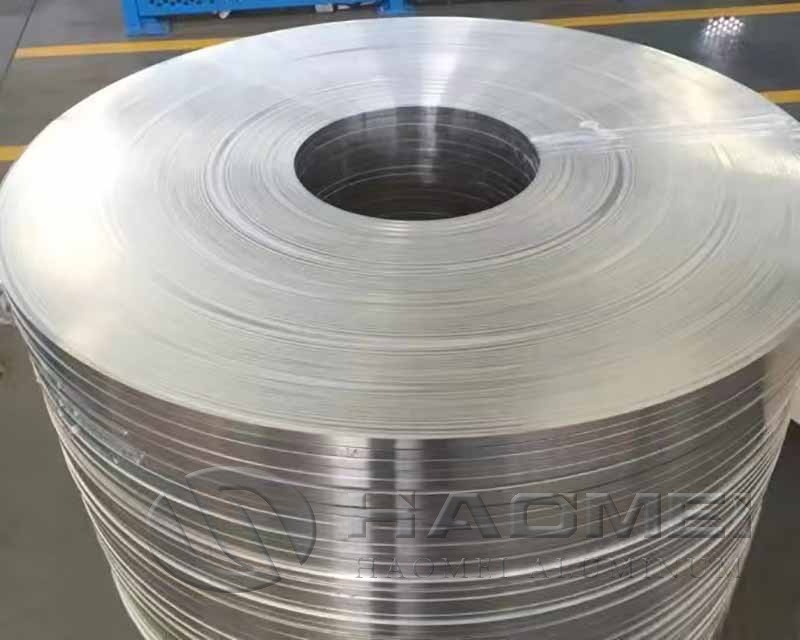
Specify the Base Metal and White Coating Together
Do not select the alloy and finish as separate items. Forming severity, corrosion exposure, and end-use temperature determine both the aluminium temper and the coating system.
| Application condition | Practical material choice | Why it fits | Specification point to add |
|---|---|---|---|
| Indoor ceiling, trim, lighting | 1050, 1060, or 1100; O, H14, or H16 temper | High formability and clean appearance | Gloss range, film thickness, bend requirement |
| General architectural interior panels | 3003 or 3105; H14 to H24 | Better strength than 1000 series while retaining formability | Colour lot control and coating adhesion |
| Humid or mildly corrosive environments | 3003, 3105, 5005, or 5052 as applicable | Improved corrosion resistance for the service environment | Pretreatment type and corrosion test requirement |
| Deep-profile roll forming | Softer temper selected after forming trials | Reduces cracking at tight radii | Minimum bend radius and no-crack criterion |
For simple interior profiles, commercially pure grades are widely used. The product chemistry and mechanical-property requirements for wrought aluminium are commonly referenced to EN 573 and EN 485 in Europe, or ASTM B209/B209M in North America. These standards cover aluminium and aluminium-alloy flat products, but they do not replace a coating specification.
For high-purity material options, 1000 Series Aluminum Strip is usually appropriate where conductivity, reflectivity, or easy forming matters more than structural strength. Where the profile is exposed to repeated bending or needs greater rigidity, evaluate 3003 or 3105 rather than automatically increasing thickness.
Coating selection checklist
- State whether the white surface is polyester (PE), silicone-modified polyester (SMP), polyvinylidene fluoride (PVDF), epoxy, or another defined system.
- Specify nominal dry-film thickness and permitted tolerance. A thicker film alone does not prove better durability; resin type, pretreatment, curing, and substrate preparation also matter.
- Identify the visible side, reverse-side coating, and protective-film requirement.
- State gloss at the applicable measurement angle, typically measured under ISO 2813.
- Define the agreed colour standard using a physical approved panel, plus measured CIELAB values where required.
- Require the same coating batch or controlled colour lots for one visible installation area.
EN 1396 is a relevant reference for coil-coated aluminium and aluminium alloys used for general applications. It addresses requirements for coil-coated products, including coating-related characteristics. When a project cites an architectural liquid-coating standard such as AAMA 2605, confirm its applicability with the coating supplier: it is not automatically interchangeable with a coil-coating specification.
Control Colour Consistency and Verify Coating Performance
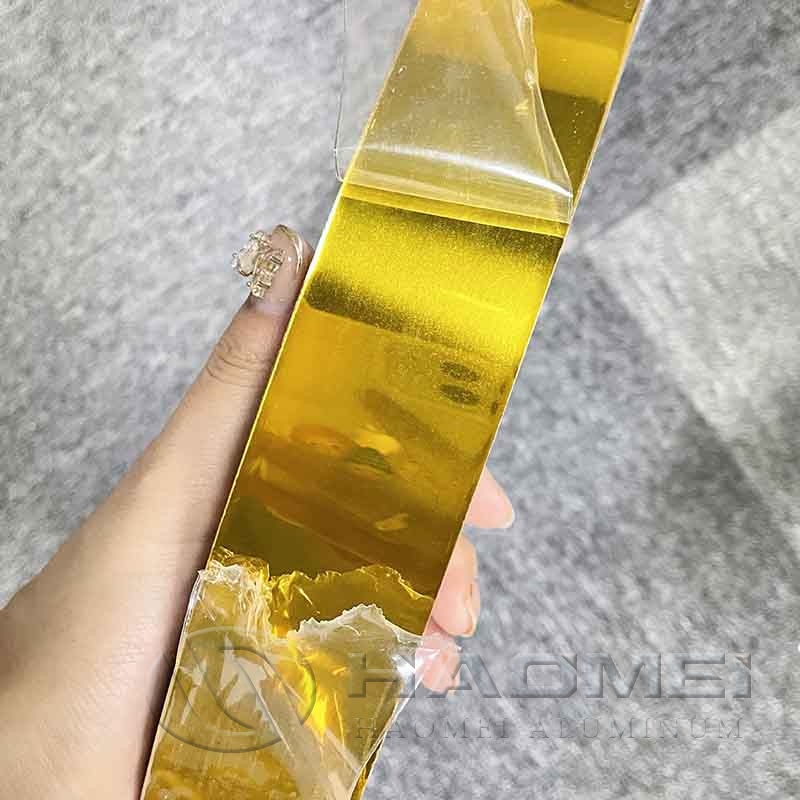
White is especially sensitive to small shifts in undertone. A cooler blue-white strip and a warmer cream-white strip may both be called "white" but can create obvious bands across a ceiling or façade. Purchase descriptions such as "RAL white" are incomplete unless the exact RAL designation, gloss level, viewing conditions, and permitted variation are stated.
Use this inspection plan for each production lot:
| Check | Recognized method or reference | Acceptance approach |
|---|---|---|
| Colour difference | CIELAB colour measurement, ISO 11664 series terminology | Compare to approved master panel using agreed illuminant, observer angle, and Delta E limit |
| Gloss | ISO 2813 | Test at the agreed angle, commonly 60 degrees for general gloss control |
| Coating thickness | ISO 2360 for non-conductive coatings on non-magnetic conductive substrates | Measure both edges and centre across the strip width |
| Adhesion | ISO 2409 cross-cut test | Record classification after cutting and tape removal |
| Pencil hardness | ISO 15184 | Use as a comparative coating-control value, not as a standalone durability claim |
| Bend / T-bend | Agreed forming procedure or relevant coating test method | No cracking, flaking, or loss of adhesion at specified bend severity |
| Corrosion exposure | ISO 9227 neutral salt spray, when contractually required | Define hours, scribe condition, rating method, and permitted creep beforehand |
Salt-spray hours should not be treated as a direct outdoor-life prediction. ISO 9227 describes an accelerated corrosion-test environment; actual service life depends on ultraviolet exposure, wet time, pollutants, cut edges, installation design, and maintenance. Ask for the coating supplier's technical data sheet and warranty terms for the intended environment rather than accepting an unsupported durability statement.
A practical colour-control clause should require samples from the beginning, middle, and end of each coil. Measure these against the signed master panel under the same instrument settings. Also inspect under the lighting that will be used at installation. This prevents a technically compliant instrument reading from becoming a visual mismatch on site.
Write a Purchase Specification That Prevents Rework
A complete order description makes quotations comparable and protects downstream slitting, roll forming, stamping, and installation processes. Avoid ordering only by width, thickness, and a generic colour name.
Include these commercial and technical details:
- Product form: prepainted aluminium slit strip, coil ID, maximum coil OD, and coil weight range.
- Base material: alloy, temper, standard, thickness, width, thickness tolerance, width tolerance, and edge condition.
- Surface: exact white code, approved reference panel, gloss target, visible side, and protective film if needed.
- Coating: resin system, nominal dry-film thickness, reverse-side treatment, pretreatment, and cure-verification requirement.
- Process compatibility: minimum inside bend radius, forming direction, lubrication restrictions, and permitted surface defects.
- Inspection: sampling quantity, test methods, colour-lot identification, certificate of conformity, and test-report requirements.
- Packaging: interleaving, moisture barrier, edge protection, pallet design, maximum stacking height, and storage limits.
For narrow, highly formable interior sections, 1050 Aluminium Metal Strip can be specified with a white coil coating when the final profile does not demand higher alloy strength. Request a trial coil before committing to a full production schedule if the part has sharp radii, embossed features, or a high-gloss surface where minor defects become visible.
During receiving inspection, check the coil label against the certificate, verify width and thickness at multiple positions, inspect edge burr and telescoping, and compare colour across coils before issuing material to production. Store coils in a dry, temperature-stable area, protected from condensation. Do not trap moisture under wrapping or leave protective film exposed to heat and sunlight longer than the film supplier permits.
A controlled white finish, documented test methods, and lot-level colour traceability will reduce installation mismatch, forming rejects, and avoidable replacement costs.
Original source: https://www.aluminumstrip24.com/news/white-aluminium-strip.html
Tags: White Aluminium Strip, Prepainted Aluminium Strip,
Previous: Mill Finish vs Coated Aluminum Strip: How to Pick Surface Type
Next: Aluminium Metal Strip