

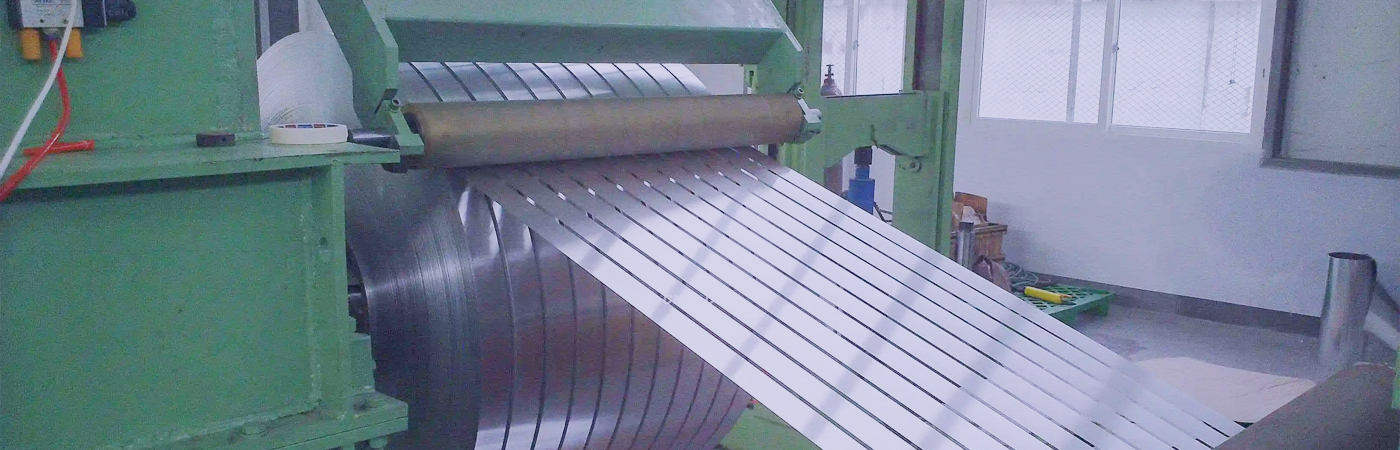
Aluminum Nose Bridge Strip
Mask makers choose an aluminum nose bridge strip for one main reason: bend retention. The metal must form easily around the nose, hold its shape after pressing, and stay comfortable under fabric layers. If it springs back, the mask leaks. If the edge is sharp, it can cut nonwoven fabric or irritate the wearer.
This article focuses on that single performance concern: stable bending with safe edges. It also covers alloy selection, processing, compliance, cost structure, and supply-chain controls for high-volume mask component programs.
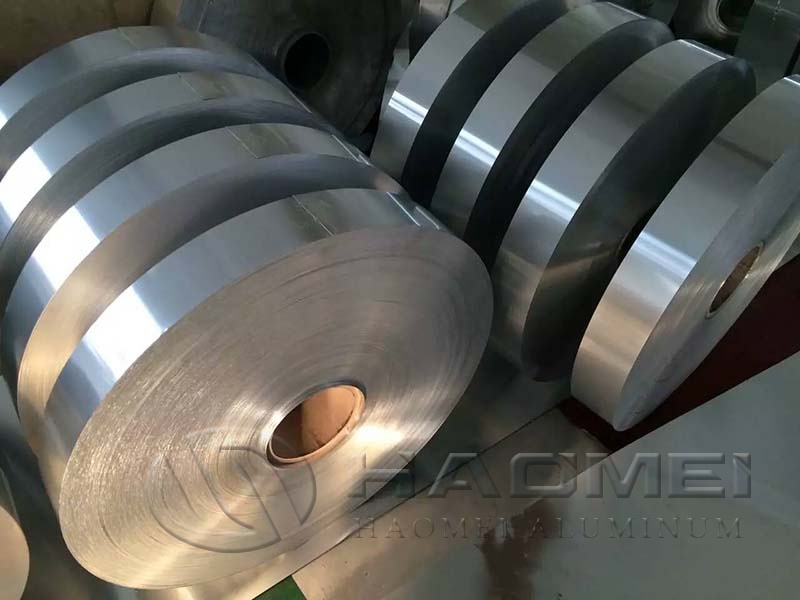
Why bend retention matters most
A nasal bridge insert works as a small forming part. It is pressed by fingers, not by a tool. That makes low forming force and low springback more important than high tensile strength.
Commercially pure aluminum is widely used because it has low density, good corrosion resistance, clean appearance, and excellent ductility in soft tempers. Common choices include 1050, 1060, and 1100. These belong to the 1xxx family, where aluminum content is typically 99.00% or higher according to Aluminum Association alloy designations and EN 573-3 chemical composition rules.
For mask use, O temper or other soft tempers are usually preferred. Harder tempers can improve straightness during slitting and packing, but they may increase springback after the user pinches the mask.
| Material option | Bend retention | Edge comfort | Corrosion behavior | Typical concern |
|---|---|---|---|---|
| Soft aluminum bridge insert | High | Good with deburred edge | Naturally protected by oxide film | Width and burr control |
| Plastic-coated iron wire | Medium to high | Depends on coating | Coating damage can expose steel | Rust risk after coating failure |
| Plastic twist insert | Low to medium | Good | No metal corrosion | Higher rebound, weaker fit |
| Double-wire insert | Medium | Depends on wire spacing | Varies by metal and coating | Can create pressure points |
For stable mask fit, ask suppliers to report bend-angle recovery after a defined manual bending test. Do not accept only visual samples. A practical method is to bend the part around a fixed radius, release it for a defined time, and record angle recovery. Keep the same test radius, sample length, and dwell time across suppliers.
Specifications to lock before mass orders
Most quality disputes come from incomplete drawings. A mask bridge insert may look simple, but small deviations in width, edge burr, temper, coating thickness, or cut length can stop automated feeding.
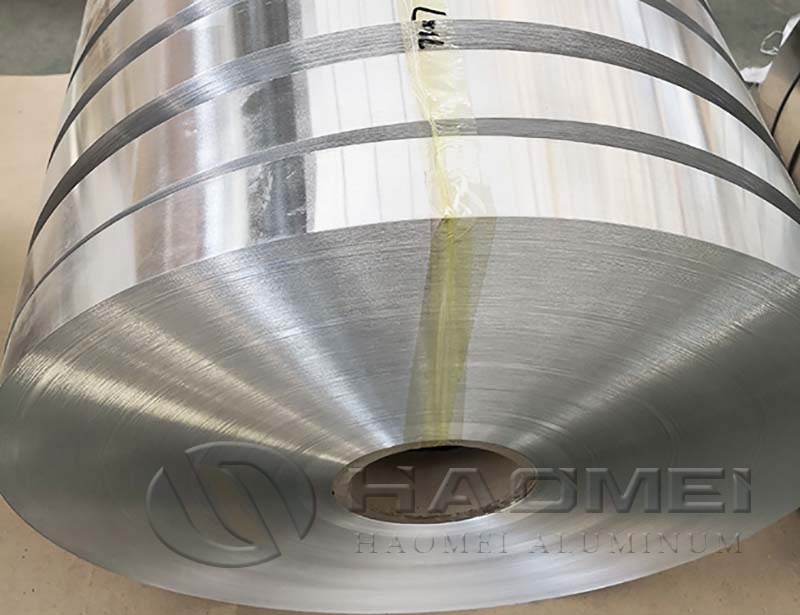
For alloy selection, 1050 Aluminium Metal Strip is often selected when high purity, softness, and consistent forming are required. 1100 Pure Aluminum Strip is another common commercial-purity option with broad availability in global flat-rolled supply chains.
| Specification item | Why it prevents rejects | How to verify |
|---|---|---|
| Alloy and temper | Controls softness, bending force, and rebound | Mill certificate against EN 573-3, ASTM B209/B209M, or agreed national standard |
| Width and thickness | Affects fit inside mask seam and feeding stability | Micrometer, caliper, SPC records during slitting |
| Length or spool form | Determines compatibility with nose-wire applicators | First-article trial on production machine |
| Edge condition | Prevents fabric cutting and wearer discomfort | Burr-height measurement and fingertip/fabric abrasion check |
| Surface finish | Reduces black marks on white nonwoven material | Wipe test, visual inspection under agreed lighting |
| Coating type | Improves bonding or insulation where needed | Coating weight, adhesion, and heat-resistance checks |
| Packaging | Prevents moisture stains and coil deformation | Inner wrap, desiccant, carton strength, pallet plan |
Common dimensions for disposable masks are often in the range of 3-5 mm width, 0.4-0.8 mm thickness, and 80-100 mm cut length, but these are not universal standards. Respirator and medical mask designs vary, so final dimensions should come from the mask drawing and production equipment.
Compliance should be interpreted carefully. ASTM F2100, EN 14683, EN 149, and NIOSH 42 CFR Part 84 evaluate mask or respirator performance; they do not simply approve a metal insert by alloy name. For the bridge component, the practical compliance package usually includes material traceability, restricted substance declarations, and process controls.
Use this compliance checklist:
Mill test certificate showing alloy, temper, and lot number.
Declaration for EU REACH restricted substances when selling into the EU.
RoHS declaration if the finished product enters electrical or regulated accessory channels.
Coating declaration, including polymer type, colorant, adhesive, and applicable food-contact or skin-contact statements if required by the final product owner.
ISO 2859-1 sampling plan or an agreed AQL table for incoming inspection.
Lot traceability from master roll to slit roll or cut piece.
If the metal is fully enclosed inside mask fabric, direct skin-contact testing may not be necessary for every program. If the insert can touch skin, ask for a risk assessment and consider ISO 10993 biological evaluation principles through the finished-product compliance team.
Process, cost, and supply chain controls
Production normally starts from cast aluminum, followed by hot rolling or continuous casting routes, cold rolling to gauge, annealing to the required temper, precision slitting, edge conditioning, coating if specified, and packing as pancake rolls, traverse-wound spools, or cut lengths.
Slitting is the stage that most affects mask production stability. Narrow material can camber, telescope, or show burr variation if knives, clearance, and tension are not controlled. Ask for slitting records, not only final inspection photos.
| Cost driver | What changes the price | Control action |
|---|---|---|
| Aluminum base metal | LME or SHFE aluminum price movement, regional premium | Use a formula: exchange price + premium + conversion + packing + freight |
| Conversion cost | Rolling gauge, annealing, slitting width, edge treatment | Standardize width and tolerance where possible |
| Coating | Polymer type, thickness, curing energy, color | Confirm whether bare aluminum is acceptable |
| Packaging | Small rolls, spools, carton count, export pallets | Match roll weight to machine handling limits |
| Freight | Air vs sea, pallet density, destination charges | Increase pallet utilization without damaging edges |
| Quality level | Extra tests, tighter tolerances, third-party inspection | Pay for controls that reduce line stoppage, not cosmetic extras |
Public aluminum benchmarks such as LME cash and 3-month contracts are quoted in USD per metric ton. For procurement planning, track base aluminum, regional physical premiums, ocean freight indices, and energy prices. Aluminum is energy-intensive, so power cost changes in major producing regions can affect conversion charges and lead times.
Supply risk is usually not the availability of aluminum itself; 1xxx alloys are widely produced. The risk is narrow-width capacity, coating line availability, and export packing during demand spikes. During public-health surges, mask component demand can move faster than rolling mill schedules. Keep approved alternates for alloy, temper, roll weight, and packaging.
For repeat orders, require three documents before shipment: dimensional inspection report, mill certificate, and packing list with roll IDs. For new suppliers, add a pre-shipment sample roll and a machine-feeding trial before releasing full volume.
RFQ checklist for an aluminum nasal clip program:
Alloy: 1050, 1060, 1100, or approved equivalent.
Temper: O or agreed soft temper with bend-recovery test value.
Size: width, thickness, length, tolerance, and camber limit.
Edge: slit, deburred, rounded, or coated edge requirement.
Surface: bare, PE-coated, PP-coated, lacquered, or adhesive-backed.
Supply form: cut pieces, pancake roll, or traverse-wound spool.
Inspection: sampling plan, burr test, bend test, coating adhesion test.
Packaging: roll weight, core size, moisture protection, carton and pallet plan.
Commercial term: metal price basis, conversion charge, Incoterms 2020 term, payment term, and lead time.
Original source: https://www.aluminumstrip24.com/news/aluminum-nose-bridge-strip.html
Tags: Aluminum Nose Bridge Strip, mask nose wire, aluminum nasal clip, bend retention aluminum strip,
Previous: Aluminum Ceiling Strips
Next: Anodised Aluminium Strip