

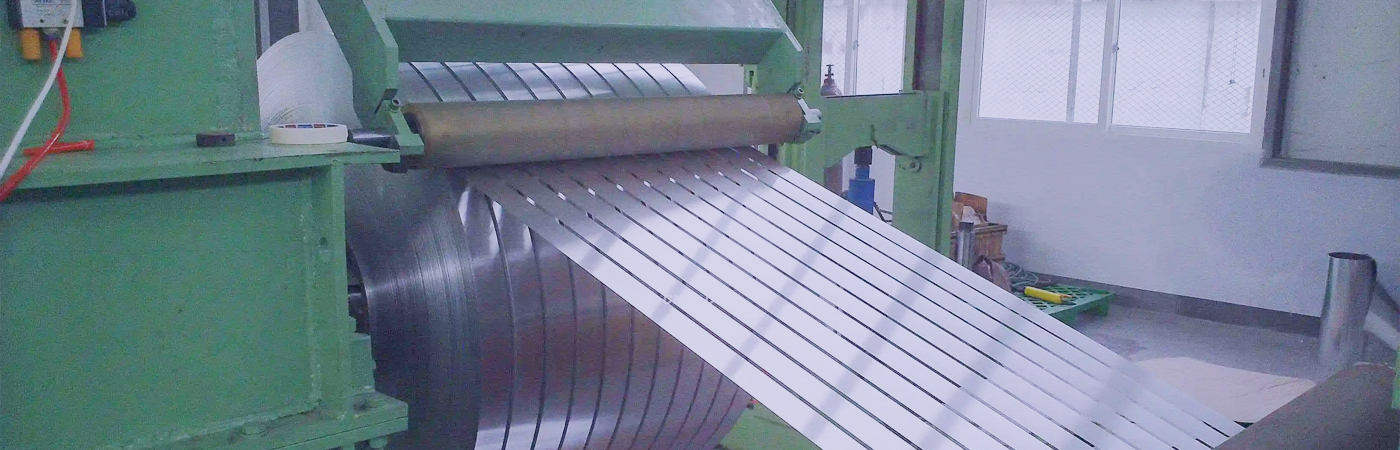
Anodised Aluminium Strip
Holiday retail programs are not only about graphics and lighting. They also depend on material that can survive handling, transport, installation, cleaning, and crowded store traffic. For companies ordering aluminium sheet, strip, coil, foil, or circle in volume, anodised aluminium strip solves one urgent seasonal problem: finish reliability under a fixed launch date.
The main concern is color and surface consistency. A Christmas display, Diwali lighting frame, Black Friday shelf edge, Eid gift-zone fixture, or New Year ceiling trim can fail visually if one batch is brighter, duller, or scratched compared with the next. An anodised surface helps reduce that risk because the oxide layer is formed from the aluminium itself rather than applied as a separate paint film.
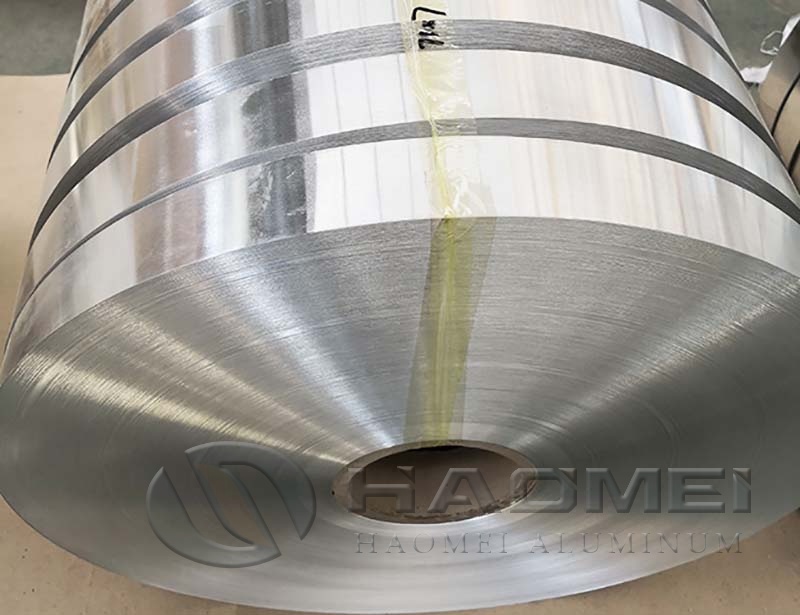
Why anodised strip fits holiday production
Anodising is an electrochemical process that thickens the natural oxide layer on aluminium. ISO 7599 covers anodic oxidation coatings for aluminium and aluminium alloys, while ASTM B580 specifies anodic oxide coatings on aluminium. These standards are useful references when confirming coating type, thickness, sealing, appearance, and testing language in a purchase specification.
For holiday campaigns, the practical value is simple: consistent surface, better abrasion resistance than bare aluminium, and improved corrosion protection for indoor displays, light-duty outdoor signage, trim, ceiling strips, packaging fixtures, and decorative hardware.
| Seasonal production issue | Risk during holiday rollout | How anodised aluminium strip helps |
|---|---|---|
| Mixed batches | Visible color mismatch across stores | Specify alloy, temper, anodic film thickness, color range, and sample approval |
| Fast installation | Scratches from cutting, bending, and assembly | Harder oxide surface improves handling durability versus untreated strip |
| Humid locations | Staining on trim or display edges | Sealed anodic film improves corrosion resistance compared with mill finish |
| Tight shelf date | Rework delays before campaign launch | Pre-finished strip reduces secondary finishing after forming |
| Brand appearance | Uneven gloss under retail lighting | Controlled finish supports repeatable satin, matte, or bright surfaces |
For decorative applications requiring high formability and clean anodising response, pure aluminium grades are often evaluated first. For example, 1050 Aluminium Metal Strip is commonly considered where excellent workability and surface finish are priorities. If electrical conductivity, reflectivity, and general forming performance are required, 1060 Aluminum Strip for Sale can also be assessed against the project drawing.
Specify the finish before the holiday rush
Do not start with only width and thickness. A holiday fixture usually needs a finish document that removes interpretation from production.
RFQ checklist for anodised aluminium strip
| Item to specify | Recommended action |
|---|---|
| Alloy and temper | State alloy, temper, and standard reference, such as EN, ASTM, or JIS equivalent if required |
| Thickness and tolerance | Include metal thickness before anodising and finished tolerance requirement |
| Width and edge | Confirm slit width, burr limit, camber, and edge type |
| Coil ID and OD | Match your decoiler, stamping line, or packing method |
| Anodic film thickness | State the required class or microns according to the end-use environment |
| Color and gloss | Approve a master sample and define acceptable visual range |
| Sealing | Request sealing method and test requirement when corrosion resistance matters |
| Surface protection | Specify interleaving, PE film, paper, or oil-free packing |
| Test documents | Ask for chemical composition, mechanical properties, coating thickness report, and packing list |
According to common anodising practice reflected in ISO 7599 and ASTM B580 terminology, coating thickness is normally selected by service condition. Decorative indoor parts may use thinner anodic films than exterior architectural parts. Do not copy a coating thickness from another project without checking bending, stamping, and cost impact.
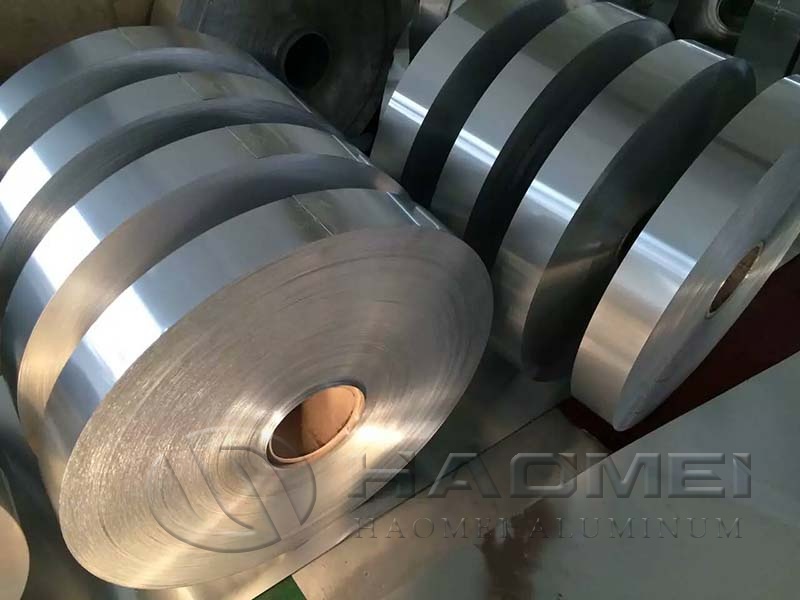
Holiday timing plan for volume orders
Holiday demand creates two pressure points: production capacity and freight space. The safest plan is to reverse-schedule from the store installation or product packing date.
| Timeline before launch | Action | Why it matters |
|---|---|---|
| 12-16 weeks | Confirm drawings, alloy, temper, finish target, and annual forecast | Avoids switching material after tooling trials |
| 10-12 weeks | Approve lab dip, anodised color panel, or production sample | Color approval is usually slower than dimension approval |
| 8-10 weeks | Lock width, coil weight, packing, and inspection standard | Prevents line stoppage from coil-handling mismatch |
| 6-8 weeks | Place production order and reserve capacity | Seasonal orders compete with lighting, packaging, and retail fixture demand |
| 3-5 weeks | Complete inspection, export packing, and shipment booking | Reduces risk from port congestion and holiday closures |
| 1-2 weeks | Receive, quarantine, and trial-run first coils | Allows time for claim review before installation starts |
For Christmas and year-end retail programs, many importers begin material confirmation in July or August. For Diwali, Eid, Lunar New Year, and Golden Week campaigns, planning should account for both the destination holiday and the producing country's factory closure calendar. If the strip must be slit, anodised, color-matched, film-protected, and packed for ocean freight, late ordering can force expensive air shipment or partial delivery.
Compare anodised, painted, and mill finish strip
Choosing the wrong finish creates avoidable cost. Use the table below when selecting material for holiday shelves, light boxes, ceiling trim, gift-zone structures, and decorative packaging equipment.
| Finish option | Best use | Strength | Watch point |
|---|---|---|---|
| Mill finish aluminium strip | Hidden parts, spacers, basic fabrication | Lowest finishing cost | Surface marks and oxidation are more visible |
| Painted aluminium strip | Specific brand colors, opaque appearance | Broad color range | Coating can chip on sharp bends if not matched to forming process |
| Anodised aluminium strip | Metallic decorative surfaces, trim, display profiles | Integral oxide layer, clean metallic look, good wear resistance | Color match depends on alloy, surface prep, bath control, and sealing |
| Brushed anodised strip | Premium retail fixtures and appliance trim | Directional texture hides minor handling marks | Grain direction must be controlled during cutting and assembly |
Anodised strip is not automatically the cheapest option. Pricing depends on LME aluminium movement, alloy, strip thickness, coil width, anodic film thickness, color, surface brushing, order quantity, and freight. To compare quotations correctly, request the same alloy, coating requirement, packing method, tolerance, and inspection level from each supplier. Otherwise, a lower price may simply reflect thinner coating, wider tolerance, or weaker packing.
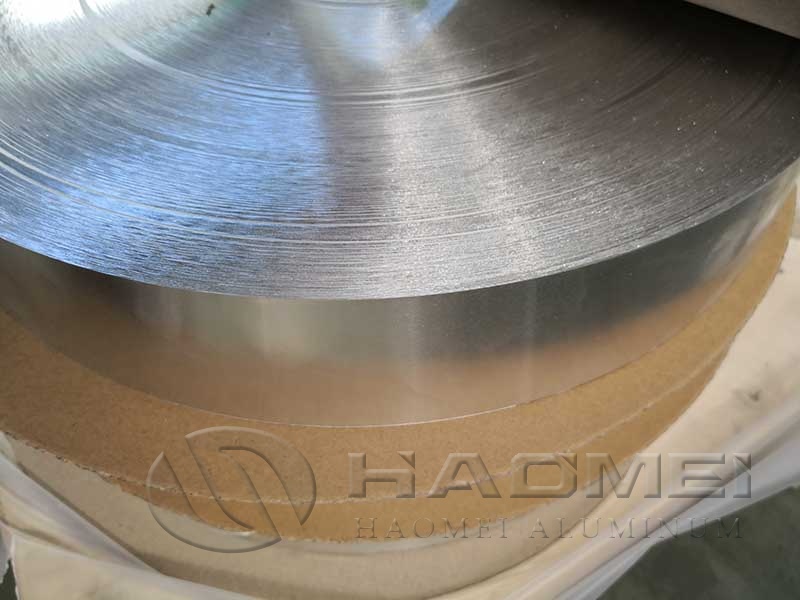
Inspection steps that prevent seasonal claims
Holiday projects often fail because inspection starts after the goods arrive. A better workflow checks finish quality before shipment.
- Confirm alloy certificate against the purchase specification.
- Measure strip thickness, width, camber, and burr before anodising approval.
- Check anodic film thickness using an eddy-current thickness gauge suitable for non-conductive coatings on non-magnetic metals.
- Review color under controlled lighting, not only warehouse lighting.
- Inspect coil surface for water marks, roll marks, scratches, dents, and black lines.
- Test sample bending if the strip will be folded, roll-formed, stamped, or wrapped around a radius.
- Verify sealing quality when the parts will be cleaned frequently or exposed to humidity.
- Photograph coil labels, packing, and inner/outer protection before dispatch.
For regulated markets, also confirm whether the finished parts must support RoHS, REACH, food-contact, fire, or electrical requirements. Anodising itself is a surface process, but dyes, sealing chemistry, adhesive films, or downstream assembly materials may affect compliance. Treat compliance as a project requirement, not an afterthought.
Packaging choices for holiday display materials
Good surface finish can be ruined by poor packing. For export or long-distance domestic transport, specify protection based on the unloading method and warehouse conditions.
| Packing element | Practical requirement |
|---|---|
| Surface film | Use when visible faces must stay scratch-free during stamping, cutting, or installation |
| Interleaving paper | Helps reduce face-to-face abrasion inside coils or cut-to-length stacks |
| Moisture control | Add waterproof wrapping and desiccant where humidity or sea freight exposure is expected |
| Pallet strength | Match pallet design to coil weight, forklift handling, and stacking limits |
| Labeling | Include alloy, temper, size, coating, color, net weight, gross weight, batch number, and direction marks |
A purchase order for anodised strip should include both product and holiday-use details: display location, lighting exposure, forming method, visible side, cleaning method, and installation deadline. That gives the mill enough context to recommend a realistic surface, coating, and packing plan before seasonal capacity becomes limited.
Original source: https://www.aluminumstrip24.com/news/anodised-aluminium-strip.html
Tags: Anodised Aluminium Strip, anodized aluminum coil, aluminium strip supplier, holiday display materials,
Previous: Aluminum Nose Bridge Strip
Next: Coated Aluminum Strip