

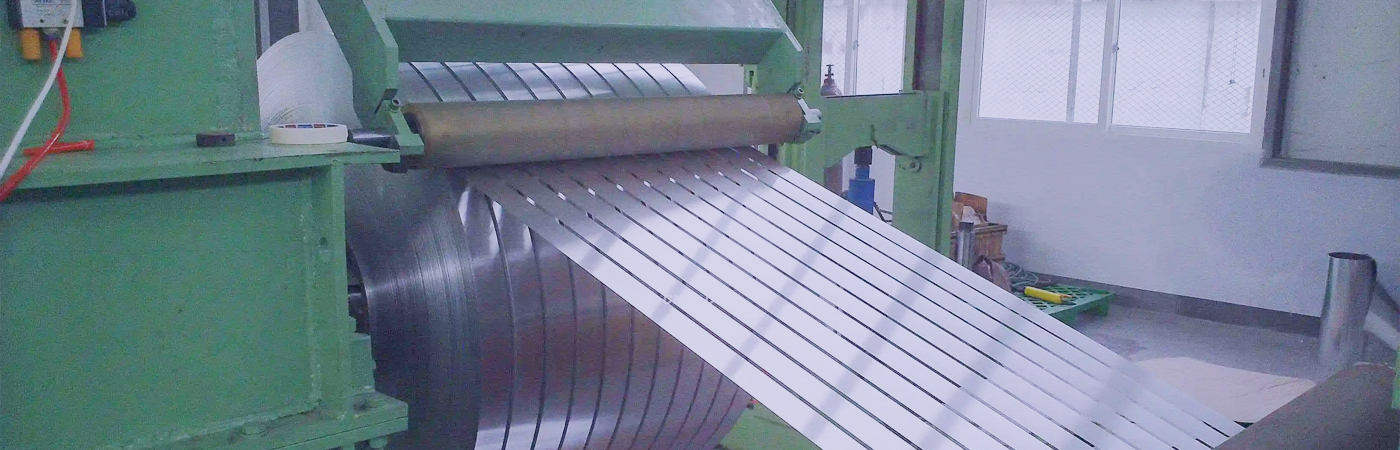
Aluminum Strip Ceiling
Holiday retail peaks (Black Friday, Christmas, Lunar New Year) compress fit-out schedules and raise the cost of rework. For strip ceilings, the most common project-stopper is not color or width. It is fire performance documentation that fails a local inspector or a tenant's safety standard.
This article focuses on one concern: fire safety compliance, and how to specify aluminum strip material so ceiling systems pass review without last-minute substitutions.
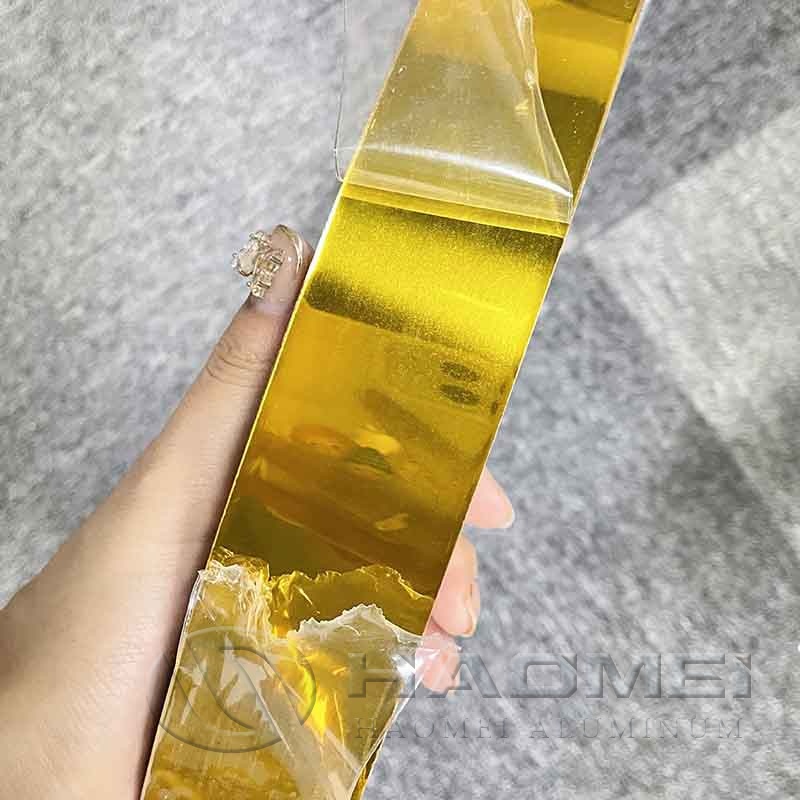
1) Why fire compliance becomes the holiday "schedule insurance"
A strip ceiling is often installed late in the sequence (after MEP rough-in, before final lighting and sprinklers). During holiday changeovers, any delay here can block handover dates.
Fire compliance risk usually comes from three gaps:
Missing classification reports for the finished system (metal + coating + carrier, if any).
Confusion between "non-combustible metal" and "acceptable interior finish rating". Coatings and backers can change the result.
Mismatch between what was tested and what is delivered (alloy, thickness, coating type, perforation rate).
Verifiable reference points to align on (ask your project team which applies):
EU reaction-to-fire: EN 13501-1 (classes like A1, A2-s1,d0).
US surface burning: ASTM E84 (flame spread and smoke developed indices) often referenced in IBC.
Non-combustibility tests sometimes used for specific assemblies: ASTM E136.
Do not assume a single global "fireproof" label is accepted everywhere. Align to the jurisdiction and tenant requirement before you lock coil specs.
2) Practical spec decisions that affect fire test acceptance
Short paragraphs, measurable items only.
A. Coating system (often the hidden variable)
PVDF, polyester, powder coating, anodizing: each has different resin chemistry and thickness.
If a report exists, confirm it matches the coating type and dry film thickness (DFT) used on the strip.
B. Gauge and perforation
Thinner metal and high perforation ratios can change thermal behavior and may require system-level reports.
If the ceiling is perforated with acoustic fleece or backing, that backing becomes part of the fire discussion.
C. Alloy selection and temperThe metal itself is non-combustible, but you still need mechanical stability and forming consistency so the system matches the tested assembly.
If your ceiling design targets easy roll-forming and stable flatness, specifying a consistent supply from 1000 Series Aluminum Strip can simplify traceability for documentation packages (mill cert, chemistry, thickness).
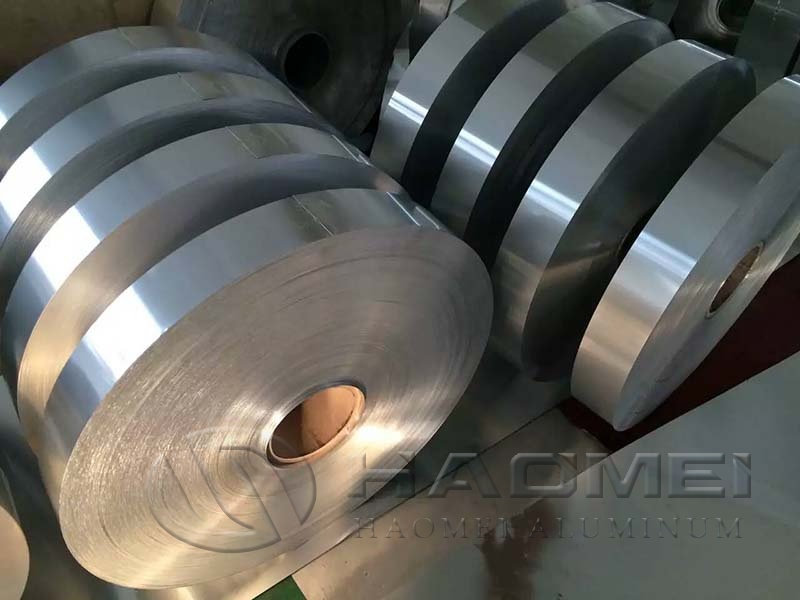
3) Documentation checklist for submittals (use this before purchase order)
Use this as a pre-holiday "no-surprises" checklist.
Fire and regulatory documents
Reaction-to-fire report (e.g., EN 13501-1) or ASTM E84 report, issued by an accredited lab.
Scope statement: confirms the tested item matches your product (coating, thickness, perforation, backing).
If required: Declaration of Performance (DoP) for CE-marked construction products in the EU context.
Material traceability
Mill test certificate (MTC) listing alloy, temper, chemical composition, mechanical properties.
Coil/strip ID and heat number traceability.
Coating quality
Coating specification: type, DFT, gloss, color tolerance.
Adhesion and corrosion references if the environment is humid or coastal (request test standards used, such as cross-hatch adhesion per ISO 2409 or ASTM D3359, and salt spray per ISO 9227 or ASTM B117, as applicable).
Packaging for site acceptance (holiday damage prevention)
Edge protection, moisture barrier, pallet integrity, and stacking limits.
4) Comparison table: what to lock in for fire compliance vs. what can vary
| Item to specify | Lock for fire compliance? | Why it matters | Typical verification |
|---|---|---|---|
| Coating type (PVDF / PE / powder / anodize) | Yes | Coating can affect reaction-to-fire and smoke | Lab report scope + coating spec |
| Coating thickness (DFT) | Yes | Different DFT can invalidate "same as tested" | DFT measurement record |
| Strip thickness | Often | Influences system rigidity and test equivalence | Micrometer + MTC |
| Perforation pattern / open area | Often | Acoustic patterns may change system classification | Drawing + sample match |
| Alloy / temper | Sometimes | Forming stability and traceability; keeps assembly consistent | MTC |
| Color / gloss | No (usually) | Aesthetic, unless tied to a specific coating chemistry | Color report |
5) Holiday installation realities: reduce inspection failure with 3 actions
Action 1: Request the test report early, then "map" it to your BOM
Create a one-page matrix: tested thickness, coating, perforation, backing, carrier.
Highlight any mismatch before production.
Action 2: Approve a pre-production sample that includes coating build
A painted strip sample alone is not enough if the installed ceiling includes perforation and fleece.
Ask for a representative sample or a small mock-up panel.
Action 3: Build a compliance packet that travels with the shipment
Put the fire report, MTC, and coating spec in the same file set.
Label coil numbers on packing list so site teams can match documents quickly.
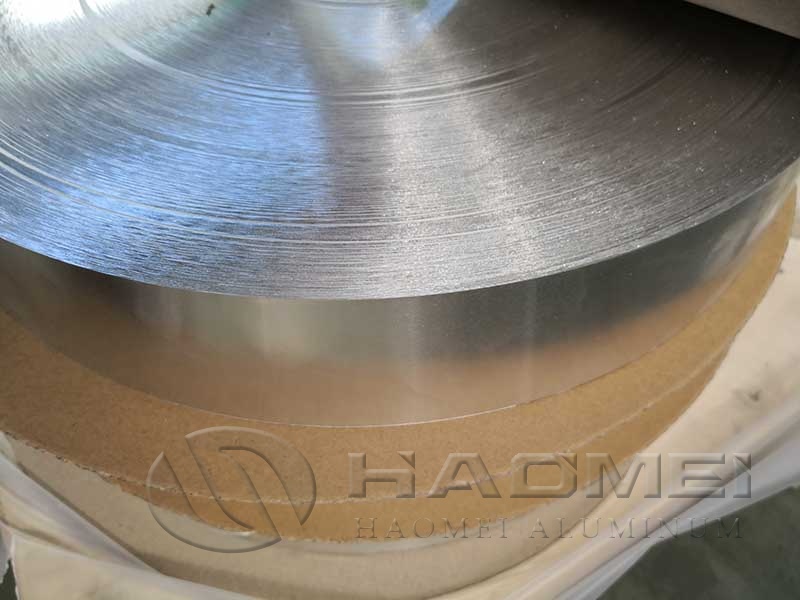
6) Material selection note: when purity-driven strip helps documentation speed
When the project's priority is simplified documentation and consistent chemistry, a high-purity option such as 1100 Pure Aluminum Strip can be easier to trace and verify via standard mill certificates. This does not replace the need for coating and system fire reports, but it can reduce questions during submittal reviews.
Quick order-ready spec block (copy into your RFQ)
Strip use: roll-formed ceiling strips (solid or perforated).
Alloy/temper: state required (attach system manufacturer's recommendation).
Thickness and width tolerances: specify numeric limits.
Coating: type + DFT + color standard.
Fire documentation: require EN 13501-1 or ASTM E84 report covering the same finish and configuration.
Traceability: MTC required, coil ID required.
Packaging: moisture barrier + edge protectors + pallet limits.
Original source: https://www.aluminumstrip24.com/news/aluminum-strip-ceiling.html
Tags: aluminum strip ceiling, fire performance compliance,
Previous: Aluminium Strip 10mm
Next: Transformer Aluminium Strip Manufacturers