

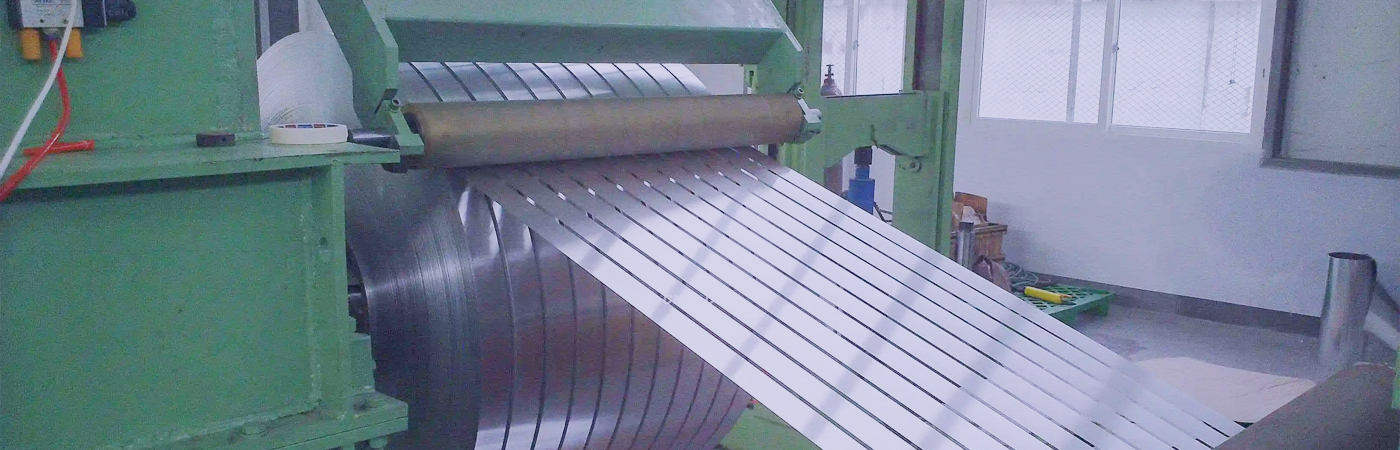
Aluminium Strip Price
Industrial purchasing teams often compare offers that look similar but differ in alloy, temper, tolerance, edge quality, packing, and price base. A low aluminium strip price can become expensive when slitting burrs damage tooling, conductivity is below requirement, or width tolerance causes scrap.
The practical way to control cost is to separate metal value from processing value, then verify whether the quoted product meets the application standard.
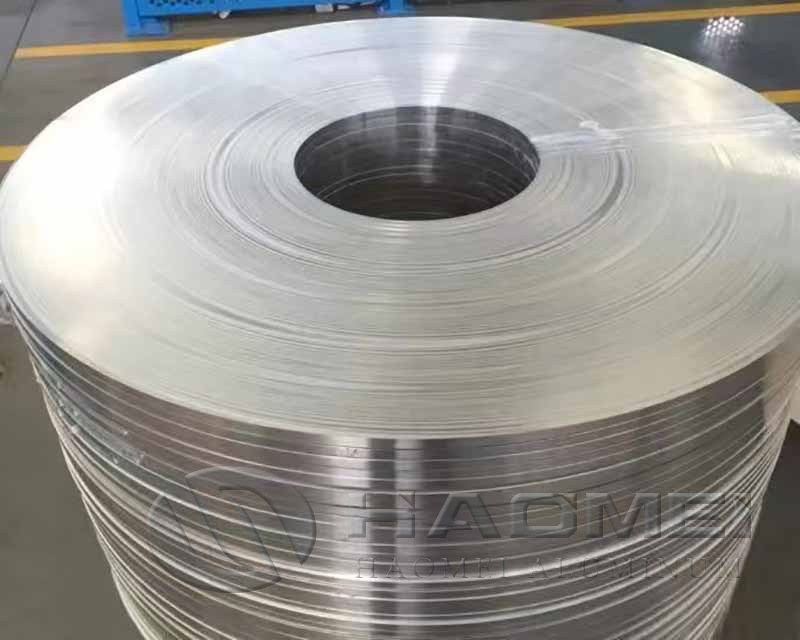
1. What Drives the Quoted Cost
Most quotations are built from a metal reference plus conversion charges. Common metal references include LME aluminium, SHFE aluminium, or a regional aluminium ingot index. LME publishes official cash settlement prices in USD per tonne, while SHFE prices are usually quoted in CNY per tonne. The reference date, currency, and premium should be written in the offer.
Typical formula:
Payable price = metal reference + regional premium + casting/rolling cost + slitting cost + surface treatment + packing + finance/FX + freight
A procurement comparison should not use unit price alone. Confirm the price basis first.
| Cost item | What to check | Why it changes the offer |
|---|---|---|
| Alloy | 1050, 1060, 1070, 3003, 5052, 6061 | Alloying elements and melt control affect premium |
| Temper | O, H12, H14, H18, H24, T6 | Annealing or heat treatment adds cost |
| Thickness | Example: 0.2 mm, 0.5 mm, 1.0 mm | Thin gauge needs tighter rolling control |
| Width | Narrow slit width vs master width | More slitting passes and edge control increase cost |
| Tolerance | Standard or special tolerance | Tight tolerances reduce yield |
| Edge | Mill edge, slit edge, deburred edge | Deburring and inspection add processing cost |
| Surface | Bare, coated, anodized, degreased | Treatment changes production route |
| Packing | Eye to sky, eye to wall, wooden pallet | Export packing affects damage risk and cost |
| Trade term | EXW, FOB, CIF, DDP | Freight, insurance, and duties differ |
For electrical parts, high-purity 1050 Aluminium Metal Strip is often selected because it combines high formability with good electrical conductivity. For marine, automotive, or outdoor parts, 5052 Aluminum Strip usually costs more but offers stronger corrosion resistance and higher strength.
2. Standards and Test Items That Protect Price Fairness
Price fairness depends on the specification. If two suppliers quote different standards, the comparison is not equal.
| Requirement | Common reference standard | Procurement note |
|---|---|---|
| Chemical composition | EN 573-3; ASTM B209/B209M | Confirms alloy identity and limits impurities |
| Mechanical properties | EN 485-2; ASTM B209/B209M | Defines tensile strength, yield strength, elongation |
| Temper designation | EN 515; ASTM B209/B209M | Prevents confusion between O, H, and T tempers |
| Dimensions and tolerance | EN 485-4; ASTM B209/B209M | Controls thickness, width, length, flatness |
| Tensile testing | ISO 6892-1; ASTM E8/E8M | Verifies strength and ductility |
| Chemical analysis | ASTM E1251 for OES analysis | Used for aluminium alloy composition checks |
| Electrical resistivity | ASTM B193 | Useful for transformer and conductive components |
Do not accept only a commercial description such as soft aluminium strip or hard aluminium strip. Ask for alloy, temper, thickness tolerance, width tolerance, burr limit, inside diameter, outside diameter, and test certificate format.
Essential quality checks before mass release:
Thickness: measure across width and along length; record maximum and minimum values.
Width: confirm slit width tolerance and coil telescoping.
Burr: inspect both edges; define maximum burr height in mm or µm.
Camber: specify maximum deviation over a fixed length, such as per metre.
Surface: check oil stain, scratch, black line, oxidation, roller mark, and coating defect.
Mechanical performance: verify tensile strength, yield strength, elongation, and hardness when required.
Conductivity: request test data for transformer winding, cable wrapping, and conductive bus components.
Packing: inspect moisture barrier, desiccant, pallet strength, and label traceability.
A supplier that offers a lower number by widening tolerance may still be acceptable for non-precision stamping. The same offer may be unsuitable for transformer winding or automatic fin machines.
3. Selection Matrix and RFQ Checklist
Different applications tolerate different cost structures. The table below shows practical alloy choices and price sensitivity.
| Application | Common alloy and temper | Main concern | Price sensitivity |
|---|---|---|---|
| Transformer winding | 1050, 1060, 1070 O/H | Conductivity, burr, surface cleanliness | High, because scrap and rework are costly |
| Stamping and deep drawing | 1050 O, 3003 O/H14 | Formability, elongation, lubrication | Medium |
| Decorative ceiling trim | 3003, 3004, 3105 H24/H26 | Coating quality, colour consistency, flatness | Medium to high |
| Heat exchanger parts | 3003, 3005, 4343 clad material | Thickness control, brazing behavior | High |
| Marine or outdoor components | 5052 H32/H34 | Corrosion resistance, strength | Medium |
| Structural machined parts | 6061 T6 | Strength, straightness, machinability | Lower metal cost focus, higher processing focus |
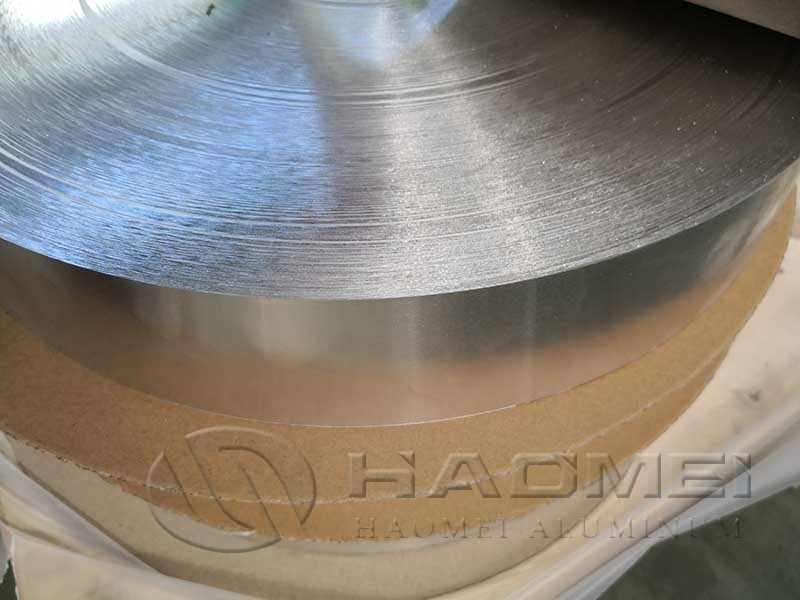
For ceiling and decorative systems, the cheapest bare material is rarely the most economical option. Coating adhesion, gloss, colour difference, and protective film performance determine installation yield. If the material is pre-painted, request coating thickness, paint system, colour tolerance, pencil hardness, T-bend result, and salt spray requirement if the part is used in humid or coastal conditions.
Use this RFQ checklist to receive comparable offers:
| RFQ field | Required detail |
|---|---|
| Product form | Aluminium slit material in roll form, with required ID and OD |
| Alloy | AA/EN alloy number, not only commercial name |
| Temper | O, H12, H14, H18, H24, H32, H34, T6, as applicable |
| Size | Thickness x width; tolerance for each dimension |
| Quantity | Total weight and release schedule |
| Edge | Slit edge, round edge, deburred edge, burr limit |
| Surface | Mill finish, degreased, coated, anodized, protective film |
| Tests | Chemical, tensile, elongation, hardness, conductivity, coating tests |
| Certificate | EN 10204 3.1 if required, or mill test certificate |
| Packing | Export pallet, moisture protection, roll orientation, label data |
| Price basis | LME/SHFE/date/premium/conversion fee, currency, validity |
| Delivery term | EXW, FOB, CFR, CIF, DAP, or DDP |
Common negotiation points that reduce total cost without weakening performance:
Accept standard tolerance if the production line can handle it.
Increase slit width only when yield improves at the stamping or winding stage.
Standardize inner diameter to match supplier tooling and your payoff equipment.
Combine compatible widths from the same alloy and temper to improve rolling and slitting efficiency.
Fix a metal price formula for long-running programs instead of renegotiating every shipment.
Ask for trial rolls before annual supply approval when burr, camber, or coating is critical.
Warning signs in an offer:
No metal reference date or unclear premium.
Alloy written without an AA or EN designation.
Temper described only as soft, half hard, or hard.
No tolerance table attached.
No statement on burr, camber, or surface acceptance.
Test certificate promised but not matched to EN, ASTM, or agreed inspection items.
Packing method missing for export or long-distance inland transport.
A reliable aluminium strip cost comparison starts with the same alloy, temper, tolerance, test plan, and delivery term. Once these items are aligned, the remaining price gap usually reflects real production efficiency, raw material timing, service level, or freight structure.
Original source: https://www.aluminumstrip24.com/news/aluminium-strip-price.html
Tags: Aluminium Strip Price, Aluminium Strip Cost, Aluminum Strip Standards,
Previous: Aluminium Strip Manufacturers
Next: Aluminium Strip 5mm