

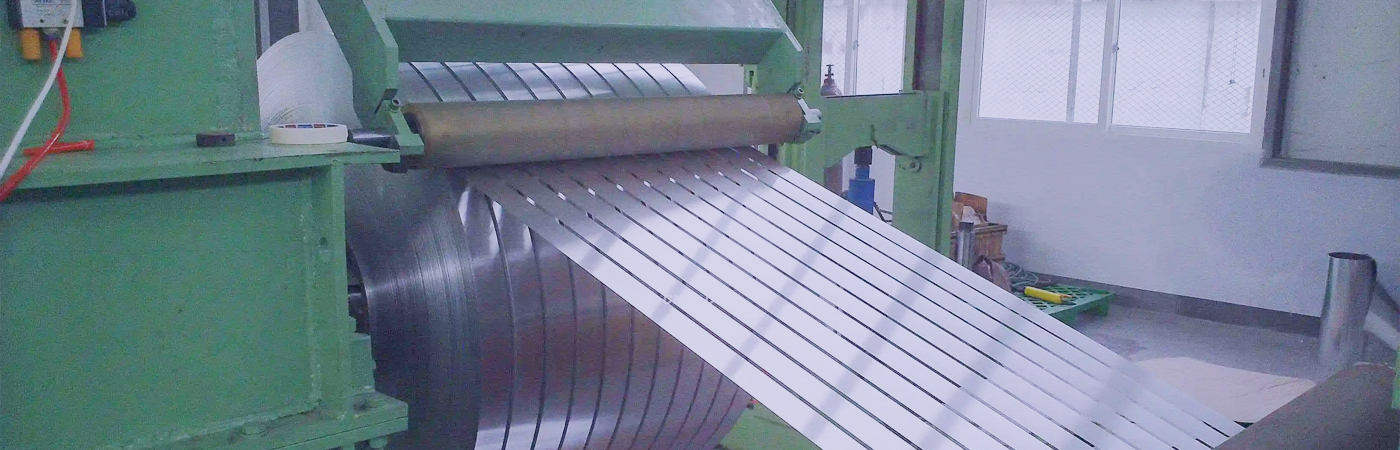
Aluminium Strip for Transformer
Transformer winding performance can be limited by one practical feature: edge burr control. A sharp or loose burr can damage paper, film, or enamel insulation during winding, raising the risk of inter-turn faults. For procurement teams, conductivity and price matter, but edge quality must be written into the purchase specification and verified on every lot.
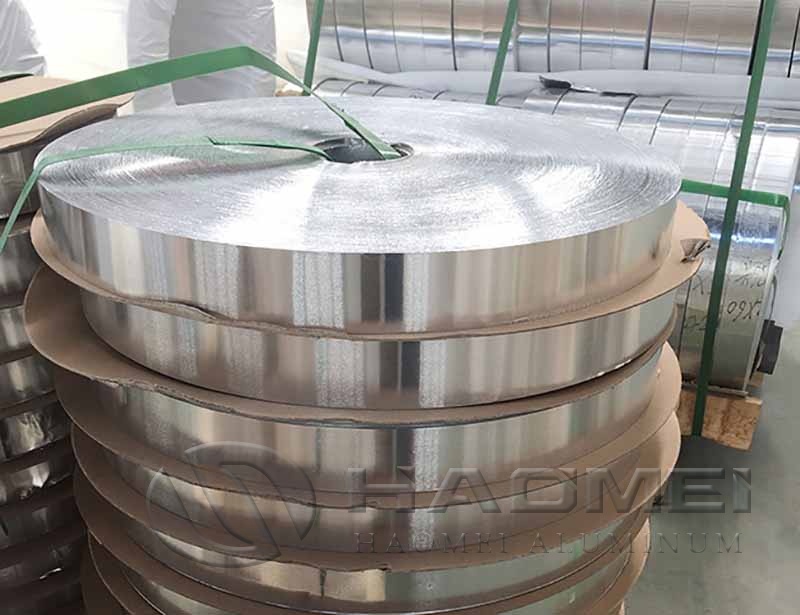
Aluminium conductor strip is generally selected for distribution-transformer windings where lower material mass and cost relative to copper can offset the larger conductor cross-section required. Aluminium has approximately 61% of the electrical conductivity of annealed copper by volume at 20°C, so a winding design must use a larger cross-sectional area to achieve comparable DC resistance. This is a transformer-design decision, not a substitution that can be made by matching thickness alone.
Material Selection and Edge Requirements
For electrical winding applications, EC-grade aluminium, commonly AA 1350 or a comparable high-purity grade, is the usual technical reference. ASTM B233 identifies electrical conductor aluminium 1350 with a minimum conductivity of 61.0% IACS. Material sold as 1050, 1060, or 1070 may be suitable when its chemistry, conductivity, temper, and surface condition meet the transformer manufacturer's approved specification. Grade names alone are not sufficient evidence of electrical performance.
For example, a 1000 Series Aluminum Strip range is relevant because these high-purity grades provide the conductivity and formability commonly required for wound conductors. For narrow-width requirements, a documented 1070 Aluminum Flat Strip option should still be evaluated by its actual test certificate, not its nominal alloy designation.
| Requirement | Recommended purchase specification | Why it matters |
|---|---|---|
| Alloy | AA 1350, or approved equivalent with declared chemistry | Supports predictable conductivity and elongation |
| Temper | Usually O annealed, unless winding equipment requires otherwise | Reduces cracking and stabilizes winding tension |
| Conductivity | State a minimum at 20°C, such as 61.0% IACS for 1350 reference material | Prevents high-resistance conductor lots |
| Thickness and width | Nominal size plus tolerances agreed with the winding process | Controls conductor area and coil build |
| Edge condition | Deburred, smooth, no slivers, no rolled-over edge; define maximum burr by agreement | Protects insulation during winding |
| Surface | Dry, clean, free from oil, oxide powder, scratches, and embedded particles | Reduces insulation and contact risks |
| Coil geometry | ID, OD, coil weight, traverse, and winding direction | Avoids line stoppages and telescoping |
A practical burr specification should not merely say "smooth edge." Define the inspection method: optical measurement or profilometer, sampling frequency, maximum permitted burr height, and treatment of isolated defects. The permissible value depends on strip thickness, insulation system, and winding speed. The transformer manufacturer should set the limit after trial winding because a universal burr value is not established by a single international transformer-strip standard.
Processing, Verification, and Compliance Controls
Transformer strip normally starts with continuous-cast or hot-rolled feedstock, followed by cold rolling to gauge, intermediate annealing when needed, final rolling, slitting, edge conditioning, and coil inspection. Slitting is the stage most likely to create damaging burrs, camber, edge wave, or slivers. Tool clearance, blade sharpness, strip tension, and scrap evacuation require routine control.
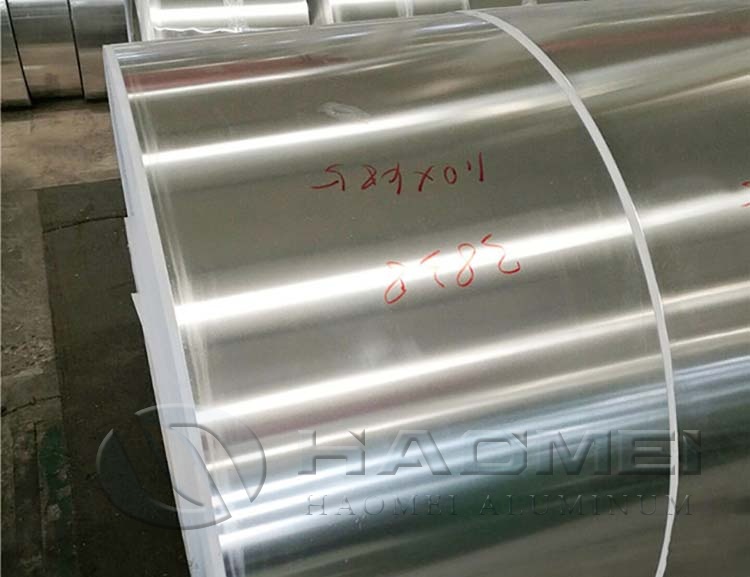
Use this receiving and qualification checklist before approving routine deliveries:
Review the mill test certificate. Confirm alloy, temper, cast or lot number, dimensions, tensile properties where specified, and electrical conductivity test result.
Check conductivity correctly. Request the test method and temperature basis. ASTM B193 covers resistivity testing of electrical conductor materials; conductivity values should be reported at 20°C or corrected to that reference temperature.
Measure strip geometry. Check thickness across the width, width, camber, edge wave, coil ID, and coil telescoping against the agreed tolerances.
Inspect edges under magnification. Examine both slit edges for burr, knife lines, slivers, cracks, and rolled metal. Retain photographic records for nonconforming coils.
Run a winding trial. Verify insulation damage, tension stability, weldability or joining performance where applicable, and finished-coil dimensional consistency.
Control traceability. Keep coil labels connected to certificates, inspection records, and the transformer production batch.
Relevant compliance documents depend on the destination market and the finished equipment. For alloy chemical composition, EN 573-3 is widely used in Europe. ASTM B233 is relevant to 1350 electrical conductor aluminium. IEC 60076 covers power transformers, while insulation-system and winding requirements may also be governed by the transformer design standard, customer drawings, and local electrical-safety regulations. Do not treat RoHS or REACH declarations as substitutes for material-performance data; they address restricted substances and chemical compliance rather than conductivity or burr quality.
Cost, Supply Risk, and Contract Structure
Strip cost is normally built from the aluminium market reference, regional physical premium, conversion charge, alloy or quality premium, freight, packaging, finance, and scrap allowance. The metal component can move daily, while conversion cost is influenced by gauge, width, temper, edge-control requirements, coil weight, and order size. Narrow slit widths and stringent edge inspection usually increase conversion cost because yield loss and process time rise.
| Cost or supply risk | Contract control | Operational benefit |
|---|---|---|
| Aluminium price volatility | Use a published-index formula with a stated pricing date and currency | Makes metal exposure visible |
| Regional premium changes | Separate premium from conversion in quotations | Improves quotation comparison |
| Out-of-tolerance coils | Define rejection, claim, and replacement rules before shipment | Limits winding-line disruption |
| Long transit or oxidation risk | Require dry export packing, moisture barrier, and coil protection | Preserves surface condition |
| Variable slitting quality | Approve a first article and require lot-based edge inspection records | Reduces insulation failures |
| Supply interruption | Qualify more than one mill or slitting source using the same acceptance plan | Strengthens continuity |
Market cycles affect availability as much as price. When construction, grid investment, and electrical-equipment demand accelerate, high-purity rolling capacity and slitting slots can tighten before primary aluminium supply does. Long-term arrangements should therefore reserve processing capacity, specify forecast horizons, and allow inspection of substitute production sites only after technical approval.
A robust order description combines electrical requirements with winding-process realities: approved alloy, minimum conductivity, annealed temper, dimensional tolerances, burr acceptance method, surface cleanliness, coil geometry, packing, certificates, and traceability. This structure turns aluminium strip from a commodity line item into a controlled transformer component and directly protects insulation integrity, production uptime, and winding consistency.
Original source: https://www.aluminumstrip24.com/news/aluminium-strip-for-transformer.html
Tags: Aluminium transformer winding strip, EC-grade aluminium conductor,
Previous: Aluminum Strip Transformer
Next: