

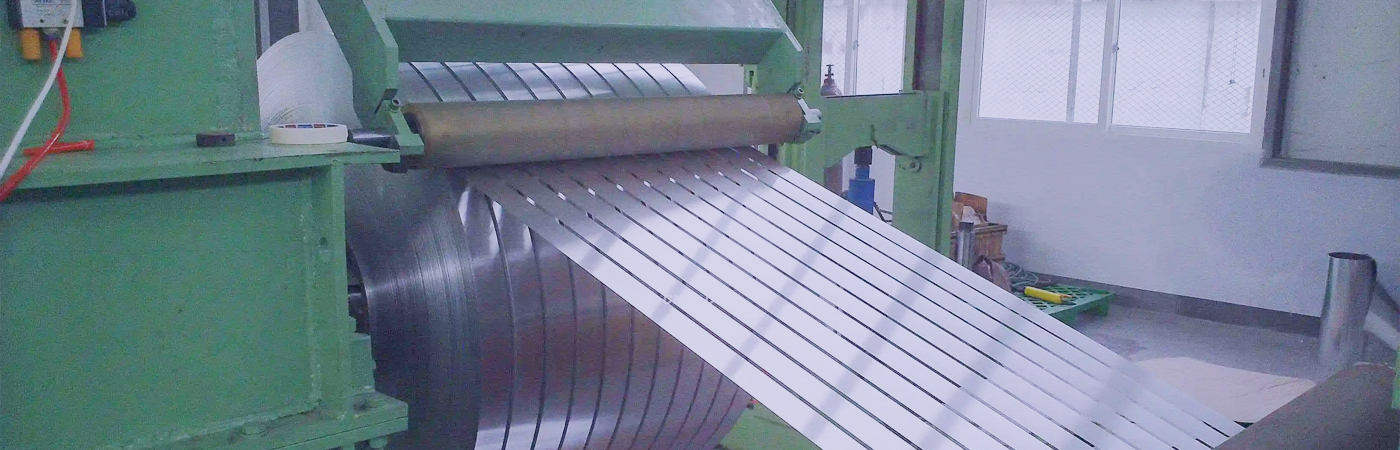
1060 Aluminum Strip
For high-volume aluminum users, holidays are not only sales events. They are calendar risks. In late May and the following summer period, shipping and factory schedules can be affected by Eid al-Adha in some markets, Dragon Boat Festival in China, U.S. Independence Day closures, and European summer vacations. Dates vary by country and port, so purchase teams should confirm local holiday calendars before issuing coil orders.
This article focuses on one concern: delivery reliability. The practical solution is to reserve 1060 aluminum strip early, define tolerances clearly, and package the material for uninterrupted transformer, signage, ceiling, insulation, stamping, and capacitor-related production.
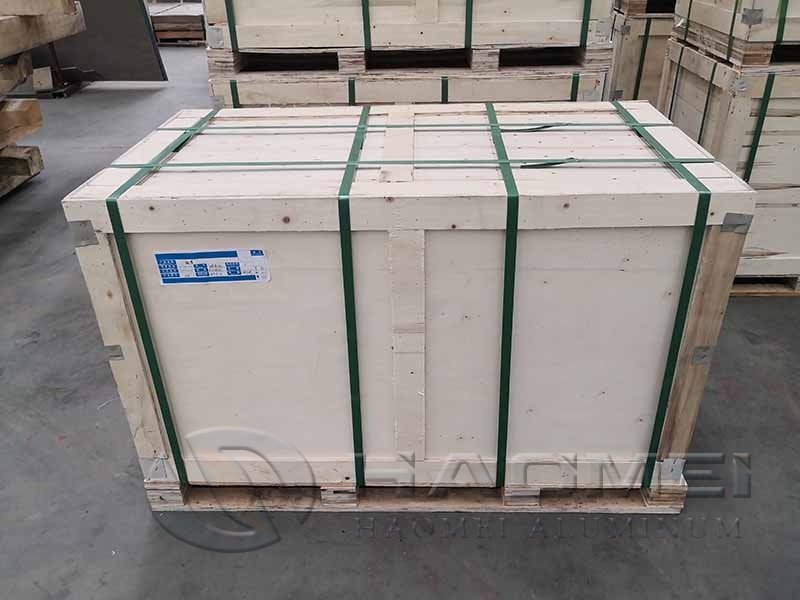
Holiday risk: delivery reliability
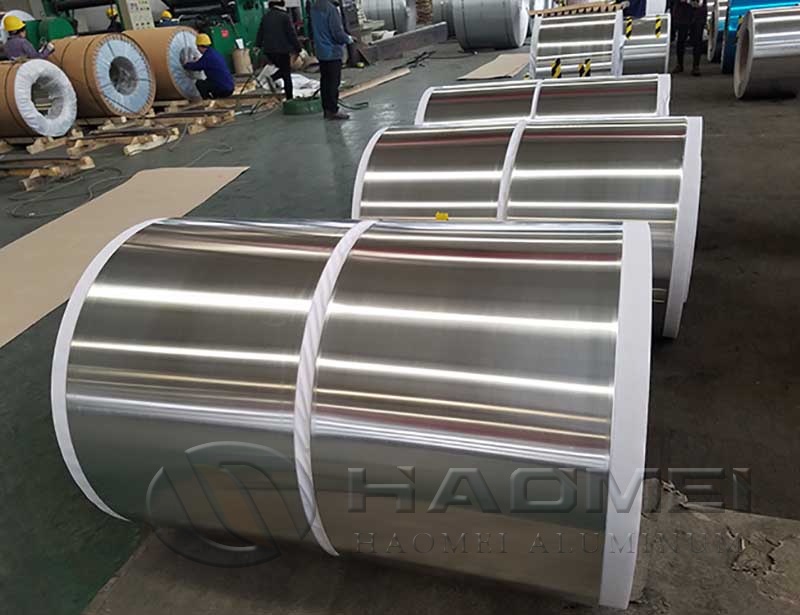
1060 is a commercially pure aluminum grade. According to Aluminum Association alloy designations, AA 1060 has a minimum aluminum content of 99.60%. That purity supports excellent formability, corrosion resistance, thermal conductivity, and electrical conductivity. For holiday production planning, the material advantage is not only performance; it is specification stability. A mature alloy with common tempers is easier to schedule for slitting, packing, and repeat orders.
Holiday delays usually happen in four places: mill production slots, slitting capacity, port booking, and document release. A 3-day public holiday can create a longer backlog if vessel space and customs paperwork are already tight. Treat aluminum strip as a scheduled input, not a spot purchase.
| Control point | What to request before holiday cutoff | Reference to verify |
|---|---|---|
| Alloy composition | 1060 or EN AW-1060A, with mill test certificate | Aluminum Association registration; EN 573-3 |
| Dimensions | Thickness, width, coil ID, coil OD, tolerance class | ASTM B209/B209M; EN 485 series |
| Temper | O, H12, H14, H16, H18, or agreed temper | ASTM B601; EN 515 |
| Export packing | Moisture barrier, edge protection, pallet strength | ISPM 15 for regulated wood packaging |
| EU compliance needs | RoHS and REACH declarations if applicable | EU Directive 2011/65/EU; REACH Regulation EC 1907/2006 |
| Trade terms | FOB, CIF, CFR, DAP, or other agreed term | Incoterms 2020 by the ICC |
For teams comparing family grades, 1000 Series Aluminum Strip is often the starting point because these alloys are widely used where purity, conductivity, and workability matter more than high structural strength.
Specify 1060 strip before the calendar closes
The fastest way to lose a shipping window is to issue an incomplete specification. Before a long holiday, every missing detail can push an order into the next production cycle. Use the following sequence when preparing a high-volume request.
-
Freeze the demand window. Count actual working days at the mill, slitting plant, port, and destination warehouse. Do not count public holidays or announced shutdown days as available time.
-
Confirm the application. Transformer winding, cable wrapping, ceiling systems, insulation jacketing, stamping parts, and heat transfer products need different thickness, edge, and temper combinations.
-
Lock the coil geometry. State thickness, width, coil inner diameter, maximum outer diameter, and maximum coil weight. This prevents loading or decoiling problems after delivery.
-
Define edge condition. Slit edge, rounded edge, deburred edge, or special burr control should be written in the purchase specification, not discussed after production.
-
Require documents before shipment. Ask for commercial invoice, packing list, bill of lading draft, certificate of origin if needed, mill test certificate, and compliance statements required by the destination market.
-
Set a price formula. Aluminum strip pricing is commonly influenced by LME aluminum reference prices, regional premiums, conversion cost, slitting charge, packaging, and freight. LME prices are public market references, but final transaction prices depend on supplier terms and order details.
| Alloy option | Aluminum purity commonly associated with grade | Holiday planning advantage | Typical concern to check |
|---|---|---|---|
| 1050 | Minimum 99.50% Al | Broad availability for general forming | Conductivity requirement may need confirmation |
| 1060 | Minimum 99.60% Al | Balanced purity, formability, and supply familiarity | Width and burr control for slitting orders |
| 1070 | Minimum 99.70% Al | Higher purity for conductivity-sensitive uses | Higher cost or longer scheduling may apply |
| 1100 | Minimum 99.00% Al | Common general-purpose pure aluminum | Chemistry and temper should match end use |
If the project requires repeat coil sizes, stable tempers, and export packing, request availability through 1060 Aluminum Strip for Sale with the exact thickness, width, temper, and annual consumption plan stated in the inquiry.
Offer checklist for holiday-ready orders
A strong holiday offer should remove uncertainty. Instead of only comparing unit price, evaluate whether the quotation protects your production schedule.
| Offer item | Acceptable detail | Why it matters during holidays |
|---|---|---|
| Material grade | 1060, AA 1060, or EN AW-1060A clearly stated | Avoids substitution disputes |
| Temper | O or H temper named, with standard referenced | Prevents forming or winding failures |
| Tolerance | Thickness and width tolerance written in numbers | Reduces rejection risk at incoming inspection |
| Coil data | ID, OD, coil weight range, winding direction if needed | Supports automatic decoiling lines |
| Surface | Clean surface, oil condition, stain control, scratch limit | Reduces downtime in visible or electrical uses |
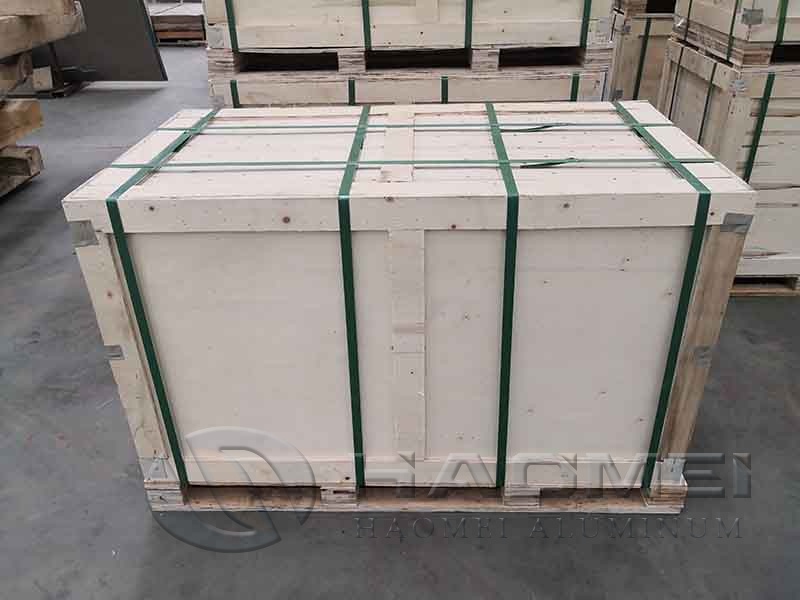
| Packaging | Waterproof paper, plastic film, desiccant, edge board, pallet | Protects coils through port congestion |
| Shipment plan | Production date, inspection date, ETD, ETA | Makes holiday inventory planning measurable |
| Documents | MTC, packing list, invoice, origin document if required | Speeds customs and internal approval |
Holiday timing also changes inventory math. For transformer winding or stamping lines, calculate safety stock by daily consumption, expected closure days, transit time, and inspection time. A practical formula is:
Planned reserve = daily strip usage x days without reliable replenishment + inspection buffer + emergency production allowance.
For example, if a plant consumes 2 metric tons per working day and replenishment may be interrupted for 12 calendar days, the reserve should start from 24 metric tons before adding inspection and emergency allowances. This is not a universal stock target; it is a transparent method that finance, production, and sourcing teams can review together.
For holiday-sensitive orders, add these requirements to the inquiry:
- Confirm whether material is in stock, in production, or requires new casting and rolling.
- Ask whether slitting capacity is available before the holiday cutoff.
- Request photos of coil packing and labels before loading.
- Require moisture protection for sea freight and humid destinations.
- Confirm whether wooden pallets need ISPM 15 treatment marks.
- Ask for shipment booking status before balance payment or document release.
- Use one specification sheet for all repeated orders to prevent size drift.
A disciplined 1060 strip order is a holiday production tool: predictable chemistry, defined tolerances, documented packing, and a shipment schedule that can survive factory closures and port congestion.
Original source: https://www.aluminumstrip24.com/news/1060-aluminum-strip.html
Tags: 1060 aluminum strip, aluminum strip, 1000 series aluminum strip, transformer winding strip, holiday supply planning,
Previous: Aluminium Strips for Sale
Next: How Aluminum Ingot Price Affects Fin Stock Cost