

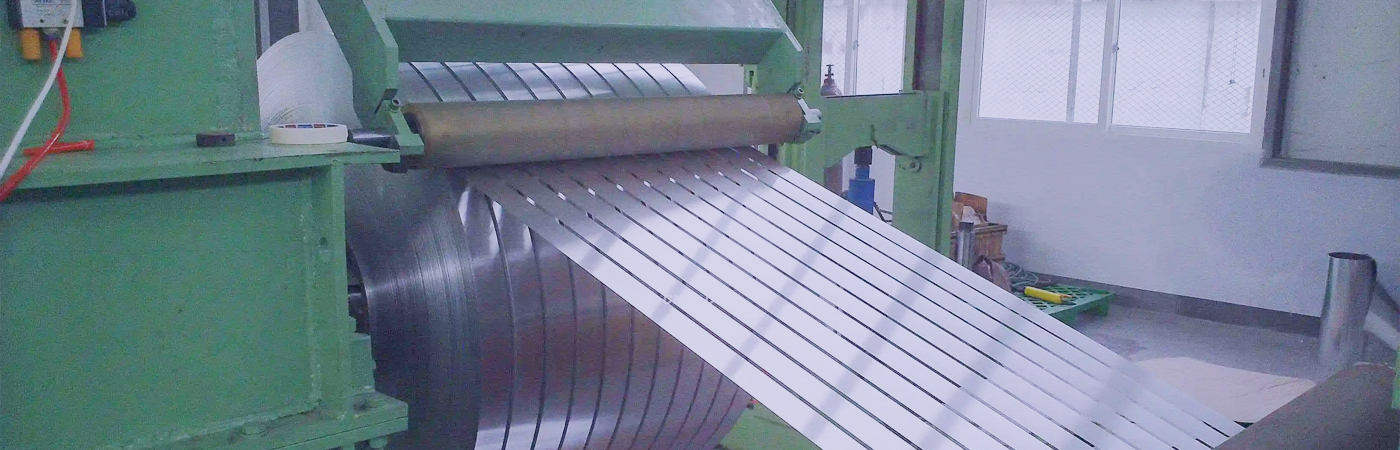
Black Aluminium Strip
Black aluminium strip is commonly specified for ceiling systems, trim, lighting components, appliances, signage, shutters, and decorative fabrication. For purchasing teams, the main risk is rarely base-metal availability. It is coating durability and color consistency across production lots.
A black finish can look uniform at incoming inspection but vary after bending, outdoor exposure, or installation under different lighting. The specification should therefore control the alloy, temper, coating system, gloss, color-measurement method, bend performance, and packaging together.
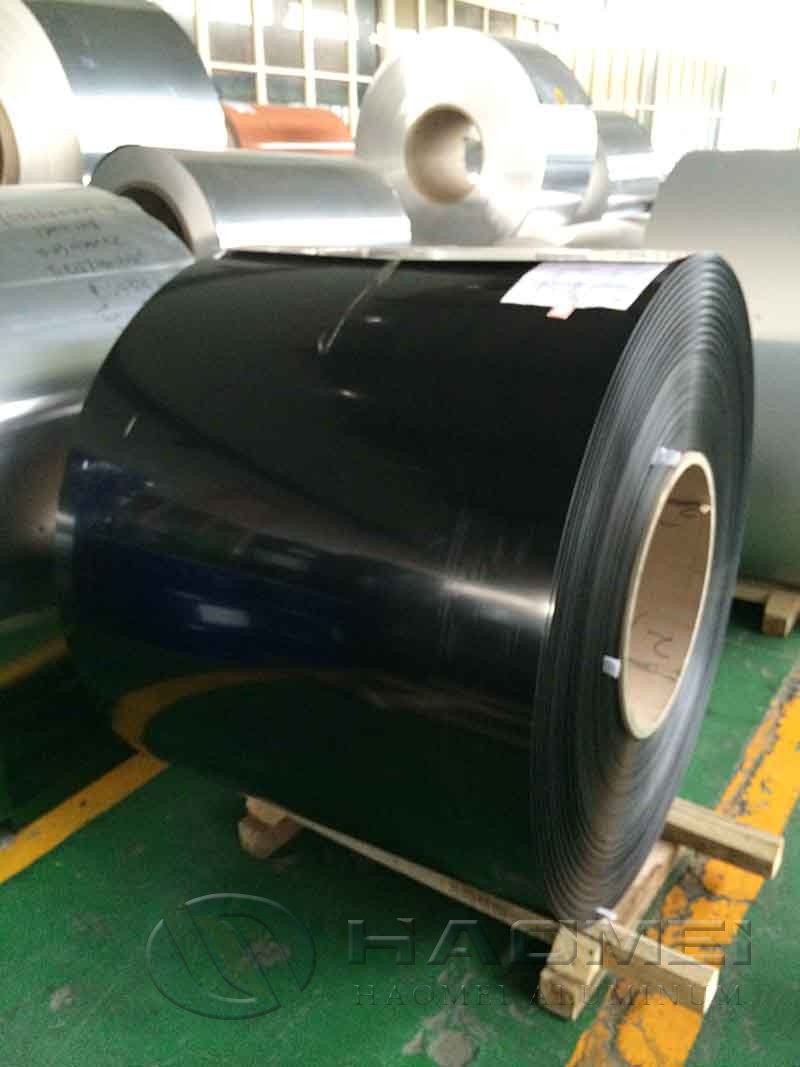
Choose the Base Alloy and Black Finish by Service Conditions
The substrate affects flatness, forming behavior, corrosion resistance, and finish appearance. A coating cannot correct poor strip shape, edge damage, or inconsistent surface preparation.
| Application condition | Recommended material direction | Finish option | Main control point |
|---|---|---|---|
| Indoor ceiling, appliance trim, decorative profiles | 1050, 1060, 1100, 3003, or 3105 | PE coil coating, powder coating, anodizing | Formability, gloss, color batch control |
| General architectural trim and cladding | 3003, 3105, or 5005 | PVDF coil coating or qualified powder coating | UV resistance, bend adhesion, corrosion performance |
| Marine or high-humidity fabrication | 5005, 5052, or another suitable 5000-series grade | Marine-suitable coating system | Corrosion assessment for the installed environment |
| Black anodized decorative parts | 5005 is often selected where anodized appearance matters | Anodizing with black coloration and sealing | Surface quality, color variation, sealing quality |
For painted architectural material, 3105 is widely used because it combines workable strength with good paintability. For anodized black trim, 5005 is often preferred where appearance matching is important. Final selection must be confirmed against required temper, forming radius, and service environment.
Where high-purity material is required for electrical or decorative uses, 1050 Aluminium Metal Strip can provide high formability, but it should not be substituted for a stronger alloy without checking mechanical requirements.
Compare Black Surface Systems Before Issuing the Order
| Surface system | Typical use | Strength | Limitation to address in the specification |
|---|---|---|---|
| Polyester, PE, coil coating | Indoor ceilings, appliances, protected exterior use | Economical and available in many gloss levels | Exterior life depends on resin quality, film thickness, climate, and exposure |
| PVDF coil coating | Exterior architectural components | Strong weathering reputation when specified as a qualified system | Require the resin system, coating construction, test standard, and warranty scope |
| Powder coating | Fabricated parts and short-run components | Wide color choice and robust film build | Film uniformity at edges, bends, holes, and weld zones requires process control |
| Black anodizing | Decorative trims and premium metal appearance | Metallic appearance, no paint film to peel | Alloy, surface finish, sealing, and lot-to-lot shade control are critical |
Do not specify only "black." State a color standard or approved control panel, gloss target, viewing conditions, and permitted variation. Color should be measured in CIELAB coordinates using an agreed instrument geometry, illuminant, observer angle, and Delta E formula. A Delta E limit without an agreed method can create disputes because Delta E 76 and Delta E 2000 are not interchangeable.
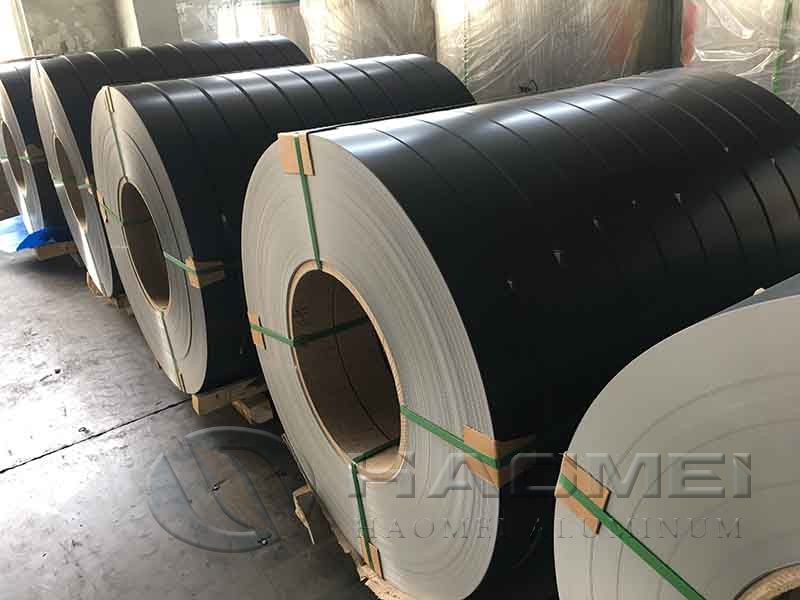
Convert Performance Requirements into an Orderable Specification
A practical purchase specification should identify both the metal standard and the coating-performance evidence. ASTM B209 covers aluminum and aluminum-alloy sheet and plate. EN 485 covers tolerances and mechanical properties for cold-rolled aluminum and aluminum-alloy products. For continuously coated material, EN 1396 addresses coated aluminum and aluminum-alloy products for general applications.
For coil-coated finishes, EN 13523 is especially useful because it provides test methods. Individual parts address issues such as gloss, color difference, bending, adhesion, humidity, and salt-spray exposure. These methods do not automatically provide one universal acceptance level. The required result must be written into the contract according to the product's end use.
Use this release checklist before approving a supplier's technical offer:
- Metal designation: State alloy, temper, thickness, width, edge condition, coil inside diameter, maximum coil mass, and acceptable gauge tolerance.
- Surface definition: State coating type, nominal dry-film thickness, color code, gloss range, protective film requirement, and one approved master sample.
- Forming requirement: Provide minimum bend radius, bend direction, stamping depth, or roll-forming profile. Request a representative bend test on production material.
- Appearance requirement: Define allowable scratches, roller marks, pinholes, edge damage, oil residue, and coil-to-coil color variation.
- Test documentation: Request mill test certificates, coating batch records, film-thickness readings, adhesion results, and color records for each lot.
- Traceability: Require coil number, production date, coating batch, net mass, and packing list identification on every package.
For exterior architectural projects, ask whether the coating system is qualified to the relevant regional requirement. ANSI/AAMA 2605 is commonly referenced for high-performance organic coatings on aluminum extrusions and panels. QUALICOAT specifications are widely used for architectural powder coating. Neither reference should be treated as automatic proof that the supplied material matches the project requirement; request the applicable certificate, scope, color, and test report.
If a project uses 5000-series stock for higher corrosion resistance or forming strength, 5052 Aluminum Strip should be evaluated with the selected coating and fabrication route, rather than approved from alloy name alone.
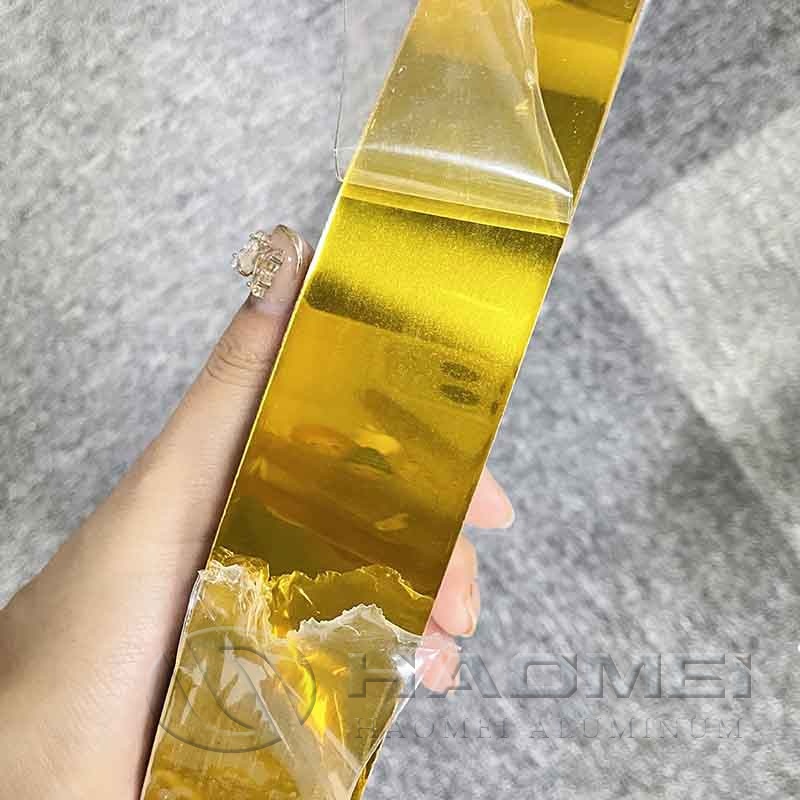
Control Cost, Supply Risk, and Receiving Quality
The invoice price for black-finished aluminum normally has several components:
| Cost component | What changes it | Control action |
|---|---|---|
| Aluminum benchmark | Exchange-traded aluminum movement | Agree pricing date, reference, currency, and adjustment formula |
| Regional premium | Local supply-demand balance, freight, tariffs | Identify the premium reference and delivery basis |
| Conversion | Rolling, slitting, yield loss, alloy, temper | Freeze width, thickness tolerance, edge quality, and coil mass early |
| Coating value | Resin chemistry, color, gloss, film thickness, line speed | Approve finish before production and avoid late color changes |
| Logistics and packing | Export packing, pallet design, moisture protection, destination | Specify packaging, Incoterms, and container-loading requirements |
Avoid comparing offers only by price per tonne. A lower conversion charge may exclude protective film, narrow-width slitting, color testing, export-worthy packaging, or the tolerances needed for automated roll forming. Compare offers on a delivered, technically equivalent basis.
Supply cycles are affected by primary aluminum prices, regional premiums, energy costs, freight availability, coating-resin supply, and construction demand. To reduce exposure, separate the metal-index mechanism from the fabrication and coating charges. For recurring programs, approve more than one production lot before committing to a long color run. This verifies shade repeatability and forming performance under actual tooling conditions.
At receiving inspection, measure thickness at agreed locations, verify width and burr condition, compare color against the retained standard under the specified light source, inspect coil edges, and retain samples by coil number. Store black-finished material indoors, dry, and away from condensation. Keep coils off wet floors and do not leave protective film exposed to heat or sunlight longer than the film supplier permits.
Order-release checklist: approved master sample, alloy and temper, dimensional tolerances, coating construction, color method, bend test, inspection records, traceability, moisture-barrier packaging, and agreed price formula.
Original source: https://www.aluminumstrip24.com/news/black-aluminium-strip.html
Tags: Black Aluminium Strip, Black Coated Aluminum Strip,
Previous: Aluminium Metal Strip
Next: Aluminum Coil for Channel Letter