

Mill Finish vs Coated Aluminum Strip: How to Pick Surface Type
In aluminum processing, architectural decoration, home appliance manufacturing and industrial component production, the surface condition of aluminum strips directly determines the corrosion resistance, aesthetic effect, processing performance and service life of finished products.

I. Basic Understanding of Two Aluminum Strip Surfaces
Accurate product selection relies on a clear grasp of the fundamental processing traits of rolled and coated aluminum strips, which account for their differences in performance and application scenarios.
1. Rolled Aluminum Strip (Mill-Finish Strip)
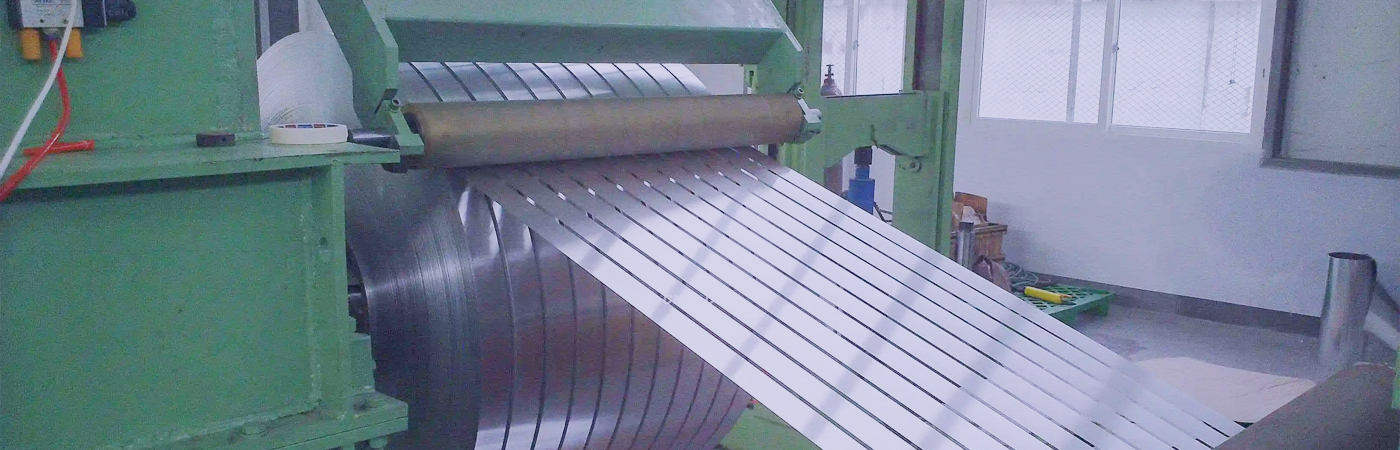
Rolled aluminum strip, or mill finish aluminum strip, is manufactured directly from aluminum ingots through hot and cold rolling, with no post-processing such as spraying, lamination or anodization. It only retains a naturally formed thin oxide film on the surface, presenting a plain matte metallic texture with slight rolling traces.
As the most basic aluminum strip surface type, it features no extra surface coating, pure base material properties and outstanding universal processing adaptability.
2. Coated Aluminum Strip (Pre-coated/Color-coated Strip)
Coated aluminum strip is produced by roller-coating functional coatings on pretreated rolled aluminum substrates (degreasing and passivation), followed by high-temperature curing. Common coatings include polyester (PE) and fluorocarbon (PVDF). It supports customized colors and diverse textures such as matte, glossy, frosted, wood grain and stone grain. Its structural composition is "aluminum substrate + passivation layer + functional coating", with the surface coating providing dual protective and decorative functions.
II. Core Performance Comparison
The two aluminum strips differ significantly in five core dimensions: corrosion resistance, aesthetics, secondary processing performance, service life and cost, which are the key criteria for practical selection.
1. Corrosion Resistance
Rolled aluminum strip only depends on its natural thin oxide film for protection, leading to limited corrosion resistance. It is prone to oxidation blackening, surface corrosion and luster loss in high-humidity, acid-base, outdoor or salt-spray environments, and is only applicable to conventional dry indoor conditions.
In contrast, coated aluminum strip forms a dense protective coating that isolates air, moisture and corrosive substances. PE coatings adapt to conventional indoor and outdoor environments, while PVDF coatings deliver excellent UV resistance, aging resistance and salt-spray resistance, maintaining stable performance without fading, peeling or corrosion in long-term harsh outdoor conditions.
2. Aesthetic and Decorative Qualities
Rolled aluminum strip has a single natural metallic finish with faint rolling marks and uneven visual effects. Its purely industrial and utilitarian appearance lacks personalized decoration, making it unsuitable for products with high aesthetic requirements.
Coated aluminum strip boasts strong decorative flexibility with customizable colors, gloss and textures. It has a smooth, uniform and defect-free surface with refined visual effects, meeting diverse decoration and brand design needs for high-value aesthetic products.
3. Secondary Processing Performance
Without surface coating restrictions, rolled aluminum strip has excellent toughness and ductility. It withstands bending, stamping, stretching, cutting and welding without surface cracking or peeling, making it ideal for deep forming and complex shaping processes and precision deep-processed components.
Coated aluminum strip has flexible industrial coatings, but extreme bending, stretching and stamping may cause micro-cracks or paint peeling on edges. It has lower processing tolerance and is only suitable for simple bending and shaping rather than severe deformation and deep processing.
4. Service Life and Maintenance
Rolled aluminum strip works stably in dry indoor environments but easily oxidizes and discolors in humid and poorly ventilated spaces, requiring regular cleaning and maintenance with a moderate overall service life.
Coated aluminum strip features anti-aging, anti-fouling and easy-to-clean properties with stable coating performance. PVDF coatings can serve outdoor scenarios for over 15 years without fading or chalking, and require almost no maintenance indoors, achieving a far longer service life than rolled aluminum strip.
5. Cost-Effectiveness
Rolled aluminum strip has a simple production process with no deep post-processing, sufficient output and low raw material costs, delivering high cost performance for large-scale basic industrial applications.
Coated aluminum strip requires pretreatment, coating and high-temperature curing, with higher costs for premium coatings, leading to higher initial procurement prices. However, it avoids frequent maintenance and replacement, reducing long-term operational costs in the whole service cycle.
III. Application Selection Guidelines
Scenarios for Rolled Aluminum Strips
1. Non-aesthetic hidden components: Industrial fittings, internal structural parts, mechanical accessories, transformer strips and pipe liners, where only base material performance is required.
2. Products requiring complex secondary processing such as deep drawing, repeated bending, precision stamping and welding, effectively preventing coating damage and improving production yield.
3. Stable dry indoor environments without acid-base corrosion and direct sunlight, where natural oxidation protection is adequate.
4. Large-scale budget-sensitive basic industrial scenarios prioritizing low procurement costs and high cost efficiency.
Scenarios for Coated Aluminum Strips
1. Aesthetic-focused products such as home appliance panels, decorative ceilings, curtain walls, advertising signs and home decoration components with customized color and texture needs.
2. Outdoor and harsh environments including building exteriors, roofing, outdoor equipment and coastal facilities, requiring strong weather resistance and corrosion resistance.
3.Easily soiled scenarios needing frequent cleaning like kitchens, bathrooms and public facility casings, where the smooth coating resists dust and simplifies daily maintenance.
4.Long-term service and maintenance-free projects and high-end components, reducing later repair and replacement costs with stable long-term performance.
Original source: https://www.aluminumstrip24.com/news/mill-finish-vs-coated-aluminum-strip-how-to-pick-surface-type.html
Previous: Aluminum Strips for Sale
Next: White Aluminium Strip