

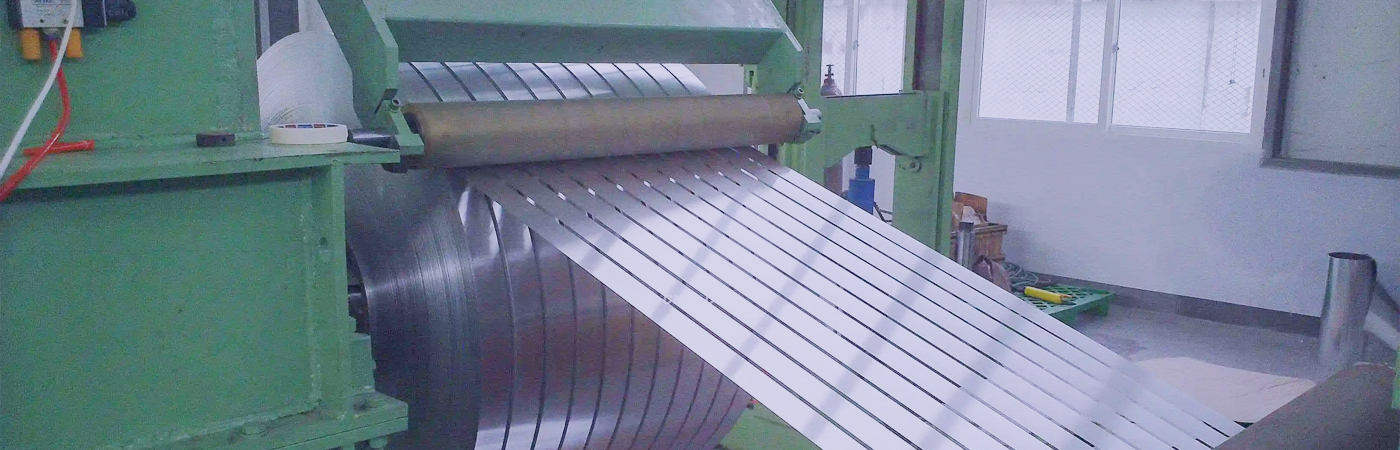
Transformer Aluminium Strip Manufacturers
Selecting reliable Transformer aluminium strip manufacturers is usually less about brand claims and more about one issue: conductivity consistency. For transformer windings, stable electrical performance, tight dimensional tolerance, and clean edges directly affect losses, temperature rise, and downstream processing efficiency.
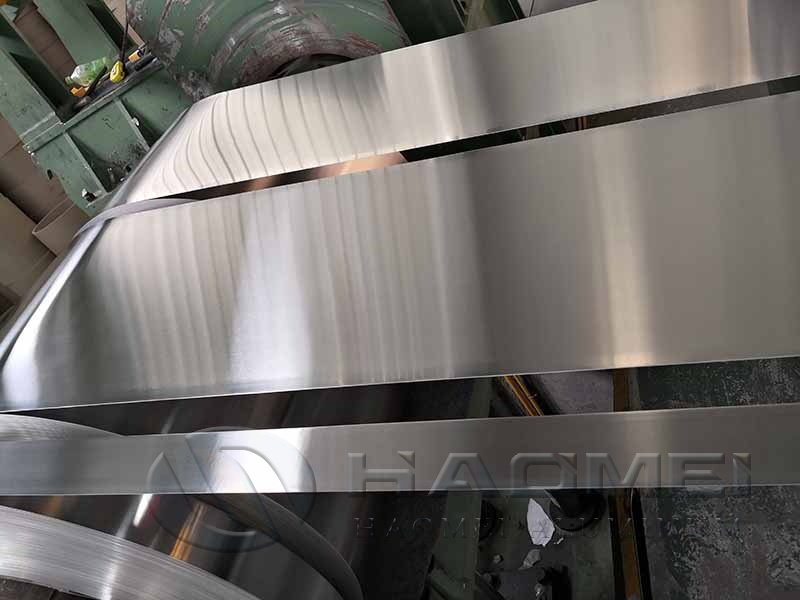
For importers and industrial users sourcing aluminum for dry-type transformers, oil-immersed transformers, and reactors, the practical questions are clear:
- Is the strip truly electrical-conductor grade?
- Are width and thickness tolerances stable across coils?
- Does the material meet relevant international standards?
- Is price being quoted on a transparent metal-plus-conversion basis?
This article focuses on those decision points, with verified standards and a simple comparison framework.
What matters most in transformer winding strip
The top concern for most orders is conductivity, because transformer strip is not a decorative product. It is a current-carrying material, so alloy purity and process control matter more than appearance.
Transformer-grade aluminum strip is commonly produced from high-purity 1xxx series alloys, especially 1050, 1060, and 1070. These grades are widely used because they offer high electrical conductivity and good formability for winding.
Typical options include 1060 Aluminum Strip for Sale and 1070 Aluminum Flat Strip, both often specified for electrical applications where low resistivity is required.
Common material choices for transformer use
| Alloy | Typical Al purity | Typical use | Why selected |
|---|---|---|---|
| 1050 | 99.5% | General electrical strip | Good conductivity, widely available |
| 1060 | 99.6% | Transformer and bus applications | Better conductivity than 1050 |
| 1070 | 99.7% | Higher-end electrical winding | Very high purity, strong conductivity |
| 1100 | 99.0% minimum aluminum | Some electrical and industrial uses | Good workability, but less common for premium winding |
Data basis: Aluminum Association alloy designation system and commonly accepted EN/ASTM alloy references used in the market.
Standards and checks to verify before ordering
Reputable producers should be able to state the manufacturing standard and inspection items clearly. For transformer strip, buyers commonly request compliance with one or more of these:
| Standard / reference | Scope | Why it matters |
|---|---|---|
| ASTM B209 | Aluminum and aluminum-alloy sheet and plate | Common reference for chemical composition and mechanical properties in export trade |
| EN 485 | Sheet, strip and plate technical delivery conditions in Europe | Useful for tolerance and temper expectations |
| EN 573 | Chemical composition and alloy designation | Confirms alloy definition |
| RoHS / REACH declarations | Restricted substances compliance | Important for electrical equipment supply chains |
| Mill test certificate, often EN 10204 3.1 format | Inspection document | Confirms chemistry, dimensions, and sometimes conductivity test data |
A serious manufacturer should also confirm these order details before production:
- Alloy and temper, such as O, H12, H14, or H24.
- Thickness range and tolerance.
- Width tolerance.
- Inner diameter and outer diameter of coil.
- Edge condition, such as slit edge quality and burr control.
- Surface cleanliness for insulation coating or paper wrapping.
- Electrical conductivity or resistivity test method.
Practical acceptance checklist
Use this checklist when comparing mills and traders:
| Check item | Acceptable response from supplier | Risk if unclear |
|---|---|---|
| Alloy traceability | Heat number and chemistry report available | Mixed alloy or downgraded feedstock |
| Conductivity data | Test value and method provided | Higher winding loss risk |
| Tolerance control | Written thickness and width tolerance | Scrap during winding |
| Edge quality | Burr height or slitting quality defined | Insulation damage |
| Surface condition | Oil level and scratch control explained | Coating and lamination issues |
| Packaging | Moisture barrier and export packing specified | Corrosion during shipping |
How to compare manufacturers on price and capability
Price varies with LME aluminum price, regional energy cost, conversion fee, order size, alloy purity, and tolerance requirements. Because aluminum is exchange-linked, quotations should ideally separate:
- Base metal reference, often linked to LME.
- Fabrication or conversion charge.
- Surcharges for tight tolerance, special slitting, or custom packaging.
- Freight and export charges.
That structure is more transparent than a single all-in number.
Typical sourcing comparison table
| Supplier type | Strength | Limitation | Best fit |
|---|---|---|---|
| Integrated rolling mill | Better process control, traceability, scale | Higher MOQ in some cases | Regular transformer production lines |
| Slitting processor with stock | Fast delivery, flexible widths | Depends on source coil quality | Urgent replenishment |
| Trading company | Multi-mill sourcing, easier communication | Quality consistency depends on network | Multi-spec projects |
When comparing offers, ask for the same specification basis. A cheaper quote may exclude tolerance guarantees or use a lower-purity conductor alloy.
Current market topics affecting supply decisions
Search trends and procurement patterns in 2025 continue to focus on three topics.
1. Energy-efficiency pressure
Transformer efficiency requirements are pushing more attention onto conductor quality. In many markets, grid equipment and industrial electrical systems are under pressure to reduce losses. Even small conductivity differences can matter over high-volume output.
2. Cost control versus copper substitution
Aluminum winding strip remains attractive because it offers lower density and generally lower raw material cost than copper. The choice depends on design requirements, but many manufacturers continue evaluating aluminum where weight and cost are decisive.
3. Compliance and documentation
Export projects increasingly require test certificates, chemical compliance statements, and packaging specifications. Suppliers with clear documentation often outperform cheaper but less transparent sources.
Best ordering steps for industrial users
If you need stable transformer strip supply, follow this order sequence:
- Define alloy first, usually from the electrical-grade Alloys most often used for winding.
- Confirm conductivity target or resistivity limit in writing.
- Lock thickness, width, temper, and edge condition.
- Request mill test certificate and applicable standard references.
- Approve a sample or trial coil before larger repeat orders.
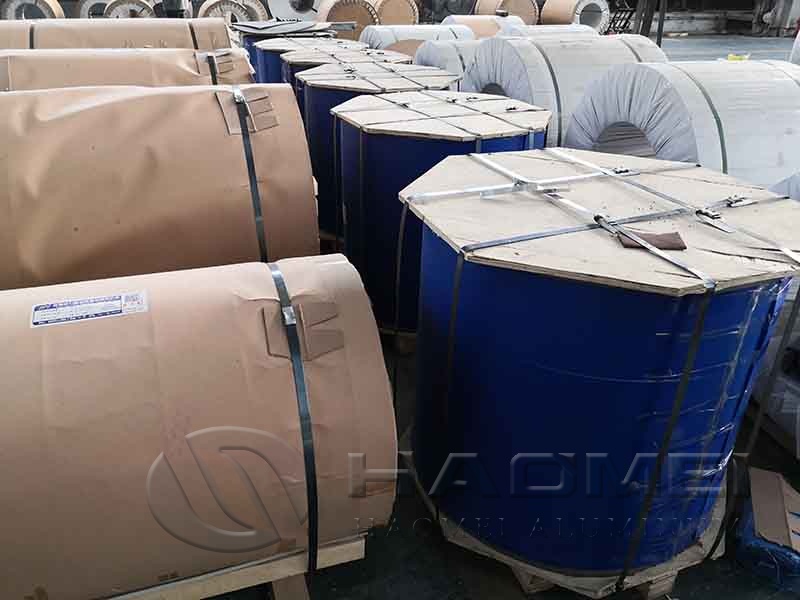
- Check packaging details for sea freight and warehouse storage.
- Compare quotations on metal price plus processing charge, not just total price.
A supplier that answers these seven points clearly is generally easier to work with than one relying on broad claims.
What separates strong transformer strip producers
The strongest manufacturers usually show five traits:
- Specialization in high-purity aluminum strip.
- Consistent slitting and annealing capability.
- Verifiable standards and test records.
- Stable export packaging practice.
- Transparent pricing structure tied to market metal values.
For transformer applications, this is what matters most: not the lowest nominal offer, but whether every coil arrives with the conductivity, tolerance, and edge quality needed for efficient winding and low rejection rates.
Original source: https://www.aluminumstrip24.com/news/transformer-aluminium-strip-manufacturers.html
Tags: Transformer aluminium strip manufacturers, transformer aluminum strip, EC grade aluminum strip, 1060 aluminum strip, 1070 aluminum flat strip,
Previous: Aluminum Strip Ceiling
Next: Black Aluminium Strips