

Aluminium Fin Stock
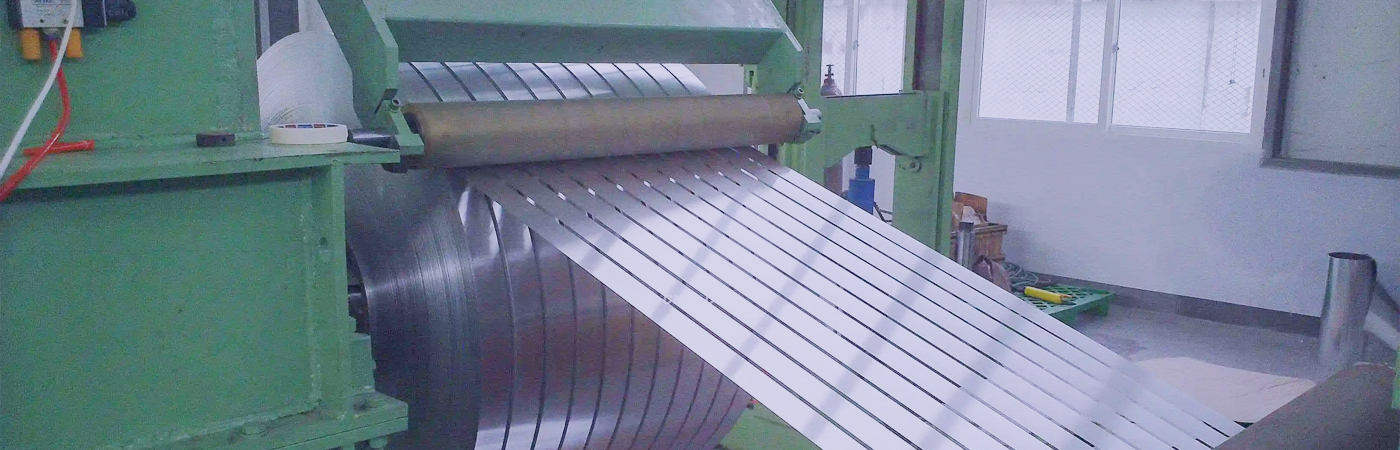
Aluminium fin stock is the rolled material used to make fins for air-conditioners, evaporators, condensers, radiators, oil coolers, and industrial heat exchangers. For procurement teams, the main challenge is rarely just price. The real concern is coating consistency, formability during fin stamping, and stable thermal performance after expansion and brazing.
That concern matters because fin material is a high-volume, thin-gauge product where small deviations create expensive line losses: fin tearing, poor louver formation, coating powdering, or early corrosion in coastal and high-humidity environments.
What to specify before requesting a quote
A workable RFQ for fin material should define six items clearly.
1. Alloy and temper
Common grades are AA3003, AA3102, AA8011, and some clad variants used in brazed heat exchangers. In many HVAC applications, 3xxx series is preferred for a balance of strength, corrosion resistance, and formability. If you are comparing base metal families, review 3000 Series options first.
2. Thickness and width
Typical fin gauges in HVAC are very thin, often around 0.08 mm to 0.20 mm, depending on fin geometry, coil design, and end use. Width tolerance directly affects press stability and yield.
3. Surface condition
Specify bare, hydrophilic coated, hydrophobic coated, or blue/gold anti-corrosion coated product. Hydrophilic treatment is common for evaporators because it helps condensate drain as a film instead of forming droplets.
4. Mechanical properties
Request tensile strength, elongation, and temper condition suited to fin punching and collar drawing. Over-hard material reduces formability; too soft can deform during handling.
5. Cleanliness and oiling
Residual rolling oil affects coating adhesion, brazing behavior, and indoor air quality requirements in some HVAC programs.
6. Coil build
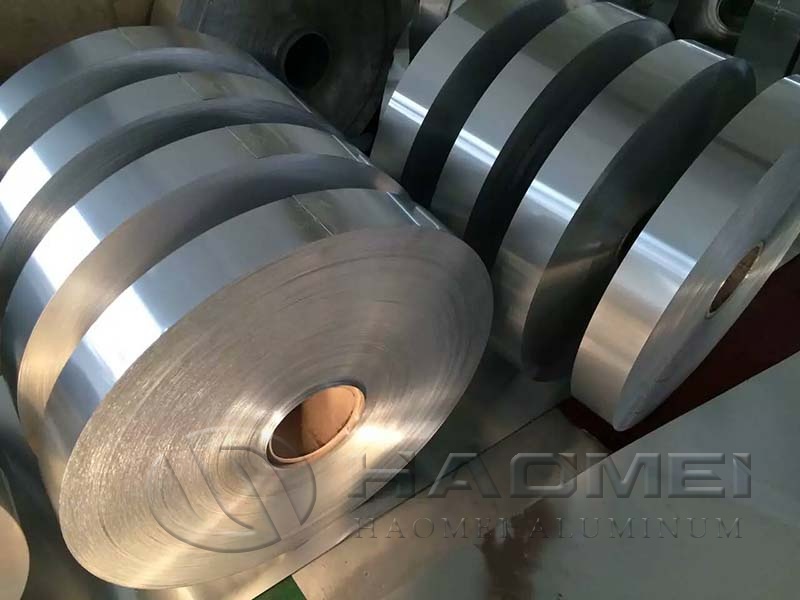
Confirm inner diameter, outer diameter, coil weight, joint allowance, edge condition, and winding direction. These details affect decoiling and press uptime.
Quick specification checklist
| Item | Typical requirement to define | Why it matters |
|---|---|---|
| Alloy | 3003, 3102, 8011, clad grades | Strength, corrosion resistance, brazing compatibility |
| Temper | H14, H16, H22, or customer-defined | Punching and collar forming performance |
| Thickness | e.g. 0.095 mm, 0.115 mm, 0.13 mm | Heat transfer, rigidity, tool stability |
| Width | Custom to fin die | Scrap control and line fit |
| Coating | Bare, hydrophilic, hydrophobic, epoxy | Drainage, corrosion resistance, hygiene |
| Tolerance | Thickness, width, camber | Production consistency |
| Surface | Cleanliness, oil level, stain-free | Coating adhesion and appearance |
| Packaging | Eye-to-sky/eye-to-wall, export seaworthy | Transit damage prevention |
Alloy, coating, and standards: how to avoid the common failures
The most important product feature in this category is coating performance under real operating humidity and salt exposure. Many claims in the market sound similar, but results differ sharply when the coating weight, cure quality, and adhesion are inconsistent.
Common material choices
| Material option | Typical use | Advantages | Watchpoints |
|---|---|---|---|
| AA3003 fin stock | Standard HVAC fins | Good formability, corrosion resistance | Verify exact temper and coating adhesion |
| AA3102 fin stock | Brazing-related heat exchanger use | Good compatibility in some exchanger designs | Confirm braze process requirements |
| AA8011 fin stock | Thin-gauge conversion applications | Good processability in some lines | Check mechanical property window |
| Hydrophilic coated stock | Evaporators | Better condensate drainage, less water bridging | Test durability after storage and forming |
| Epoxy or anti-corrosion coated stock | Coastal or harsh environments | Better corrosion protection | Added cost, coating bend performance |
For some converters producing related narrow-width material, Different Thickness 3003 Aluminum Strip can be relevant as a starting point for alloy discussion, but fin applications still require dedicated thin-gauge and coating controls.
Standards and compliance to verify
Use standards as a starting point, not a substitute for application testing.
| Area | Reference commonly used in trade | What to verify |
|---|---|---|
| Chemical composition | ASTM B209 or EN 485 family, depending on contract region | Alloy matches certificate and melt record |
| Mechanical properties | Supplier COA plus agreed test method | Temper consistency lot to lot |
| Coating performance | Customer spec, salt spray, adhesion, wettability tests | Test method, hours, failure criteria |
| Restriction of substances | RoHS, REACH declarations where required | SVHC statement and coating chemistry declaration |
| Packaging and labeling | Contract specification | Coil traceability and batch identification |
Why caution is needed: ASTM and EN standards define broad product requirements, but fin material often needs tighter internal limits on pinholes, wettability, lubricant residue, and fin-forming performance than the base standards require.
Cost drivers, supply chain risk, and a practical sourcing process
Pricing for fin material normally combines three components: aluminum base price, conversion premium, and coating or special-processing surcharge.
What moves the price most
| Cost factor | Impact on price | Procurement note |
|---|---|---|
| LME aluminum price | High | Track with exchange-linked contracts |
| Alloying and rolling cost | Medium | Thin gauge and tighter tolerance raise premium |
| Coating system | High | Hydrophilic and corrosion-resistant layers add clear cost |
| Order size | Medium | Small lots usually carry setup premiums |
| Width and coil build | Medium | Nonstandard dimensions reduce mill efficiency |
| Region and freight | High | Ocean freight and inland trucking can erase unit savings |
Verifiable market context: aluminum prices are commonly benchmarked against the London Metal Exchange. Regional physical premiums and energy costs also affect conversion margins. On the cost side, European rolling mills have faced elevated power-price pressure since 2022, while Asian supply has generally remained more cost-competitive for commodity gauges, though lead time and trade compliance must be checked case by case.
Supply chain risks to screen early
- Coating inconsistency across lots. Ask for batch test records, not only a generic TDS.
- Excessive gauge variation. Thin stock needs tighter process control than general strip.
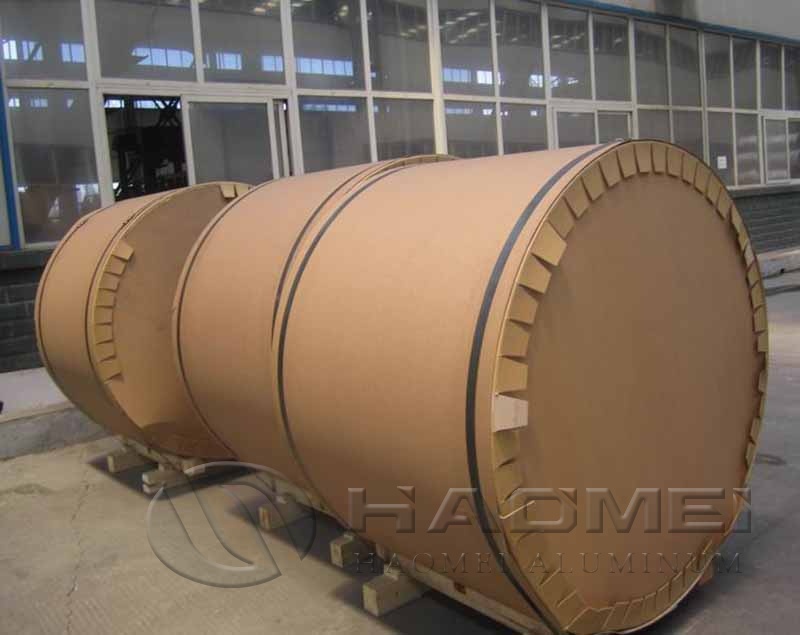
- Transit corrosion. Demand vapor-barrier packaging and desiccant controls for sea shipments.
- Long replenishment cycles. Coated fin material may have longer lead times than bare stock.
- Specification drift. Lock down approval samples and a master coil standard.
A practical supplier approval sequence
- Issue a technical datasheet with alloy, temper, coating, and tolerance limits.
- Request mill certificates, coating data, and compliance declarations.
- Run pilot stamping tests for louver formation, collar height, and springback.
- Check wettability, adhesion, and corrosion performance after forming.
- Audit packaging, traceability, and claim-handling procedure.
- Approve by lot performance, not by quotation alone.
Inspection points on receipt
- Measure thickness at multiple points across width.
- Confirm width, camber, and edge quality.
- Inspect for water stain, telescoping, and transit denting.
- Verify coating appearance and simple wettability behavior where applicable.
- Match coil ID, heat number, and certificate to shipping labels.
- Retain sample rolls for line-trial comparison.
For users focused on stable heat-exchanger production, good procurement outcomes usually come from controlling three things at the same time: alloy-temper fit, coating reliability, and logistics protection. Those factors have more effect on total conversion cost than a small difference in quoted metal price.
Original source: https://www.aluminumstrip24.com/news/aluminium-fin-stock.html
Tags: aluminium fin stock, hydrophilic aluminum fin stock, HVAC heat exchanger material, AA3003 fin stock, AA8011 fin stock,
Previous: 2 Inch Wide Aluminum Strips
Next: Aluminium Strip 3mm