

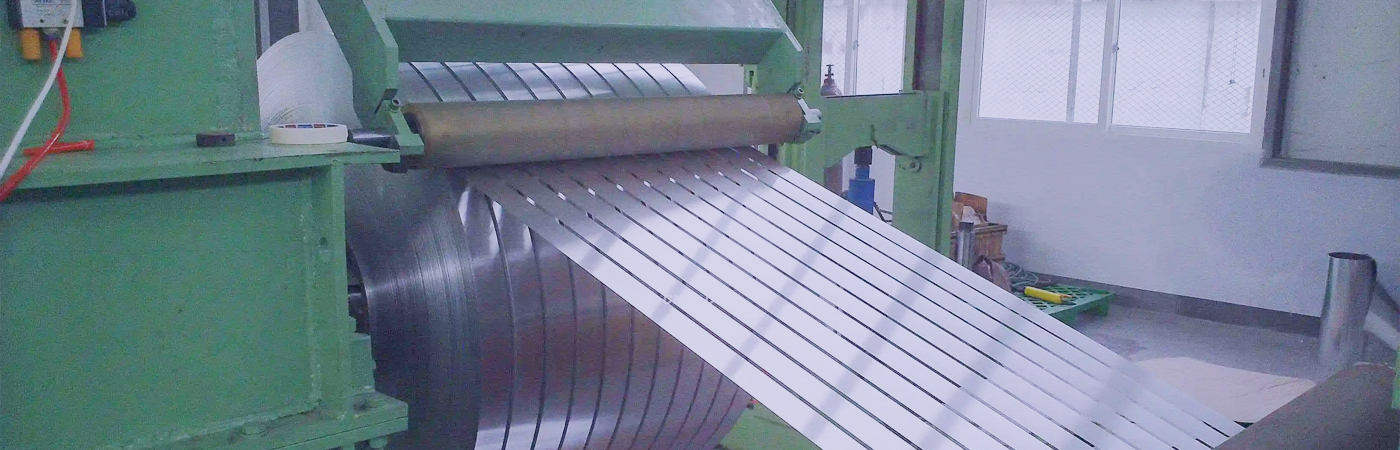
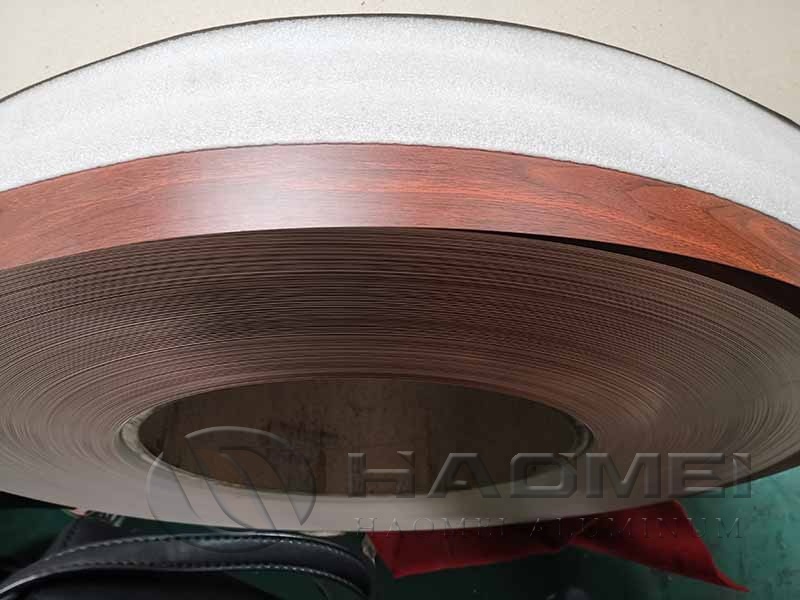
Black Aluminum Strips
Black aluminum strips are used when appearance, corrosion resistance, heat absorption, and repeatable fabrication matter in the same part. The main sourcing risk is not simply getting a black surface; it is getting the same black tone, gloss, coating adhesion, and edge quality from lot to lot.

Top concern: color consistency after forming and installation
For industrial users, color mismatch is the most expensive complaint because it is often found after stamping, bending, assembly, or installation. Black finishes amplify variation in gloss, orange peel, anodic pore structure, and substrate roughness.
Specify color by instrument, not by photo. Use ASTM D2244 or ISO 11664 color measurement with agreed illuminant, viewing angle, gloss level, and maximum Delta E tolerance. For visible architectural or appliance parts, define a master panel and retain approved reference samples from each production campaign.
A practical control plan should include:
Same alloy, temper, surface roughness, and pretreatment route for repeat orders.
Defined coating type: anodized, polyester, PVDF, epoxy, or black conversion coating.
Target gloss by ASTM D523, for example matte, satin, or high gloss.
Coating or anodic film thickness measured by ASTM B244 or ISO 2360.
Adhesion test by ASTM D3359 for painted material.
Salt spray or cyclic corrosion requirement when used outdoors or near chemicals.
Packaging method that prevents rub marks, telescoping, and moisture staining.
Material choices and finish comparison
The substrate affects forming, edge burr, corrosion behavior, and final appearance. Pure aluminum grades are easy to form and highly conductive, while 3000 and 5000 series grades add strength and better dent resistance. For deep bending and decorative profiles, 5052 Aluminum Strip is often selected when higher strength and marine atmospheric resistance are required. For cost-sensitive formed parts, 3000 Series Aluminum Strip provides a useful balance of formability, strength, and corrosion resistance.
| Option | Typical use | Strengths | Watch points |
|---|---|---|---|
| Black anodized aluminum | Electronics trim, lighting, heat sinks, nameplates | Integral oxide layer, good wear resistance, metallic appearance | Color can vary with alloy, temper, etching, and bath control |
| Black polyester coated aluminum | Indoor panels, trim, signage | Economical, broad gloss range, good formability | Lower weathering durability than premium fluorocarbon systems |
| Black PVDF coated aluminum | Exterior cladding, roofing accessories, façade trim | Strong UV and weathering resistance; often specified to AAMA 2605 | Higher conversion cost and minimum run quantity |
| Black epoxy coated aluminum | Electrical insulation, specialty industrial parts | Good chemical and adhesion performance in selected systems | UV resistance may be limited unless protected |
| Matte black powder coated strip | Hardware, fixtures, profiles | Thick coating, strong mechanical coverage | Tight tolerances and fine slitting may be harder after coating |
Aluminum density is about 2.70 g/cm3, roughly one-third of carbon steel. This matters in transported parts, façade systems, lighting channels, and EV-related assemblies. Black anodized or coated surfaces can also improve solar absorption and thermal radiation, but emissivity and absorptance must be tested on the actual finish rather than assumed.
Manufacturing process and inspection points
A stable black aluminum program starts before coloring. The usual route is casting or rolling stock selection, cold rolling to gauge, annealing if required, tension leveling, surface cleaning, coating or anodizing, curing or sealing, slitting, edge conditioning, and final packing.
For narrow strips, slitting quality is as important as coating quality. Excess burr can scratch adjacent wraps, damage insulation films, or interfere with automated feeding. Ask for burr direction, maximum burr height, camber, coil inside diameter, outside diameter, winding tension, and splice rules.
| Inspection item | Recommended method | Why it matters |
|---|---|---|
| Alloy and temper | Mill certificate per ASTM B209/B209M, EN 485, or agreed national standard | Confirms mechanical properties and chemical limits |
| Width and thickness | Micrometer, laser gauge, statistical records | Prevents feeding jams and assembly gaps |
| Color difference | ASTM D2244 or ISO 11664 | Controls visual consistency between lots |
| Gloss | ASTM D523 | Prevents matte and satin mismatch |
| Coating thickness | ASTM B244, ISO 2360, or wet film control for paint lines | Links to corrosion, bending, and cost |
| Adhesion | ASTM D3359 crosshatch | Screens pretreatment and curing failures |
| Corrosion resistance | ASTM B117 or cyclic corrosion standard agreed by application | Useful for outdoor, marine, and chemical exposure |
| Bend performance | T-bend or mandrel bend | Confirms coating will not crack during forming |
Applications and specification choices
Black slit aluminum is common in lighting reflectors and housings, battery pack spacers, appliance trim, curtain wall accessories, HVAC components, sign channels, solar mounting parts, blinds, cable shielding, and decorative edging.
Use the application to decide the finish:
| Application | Preferred finish | Specification focus |
|---|---|---|
| Indoor decorative trim | Polyester or anodized | Color, gloss, bend radius, scratch resistance |
| Outdoor façade accessory | PVDF or high-performance powder | AAMA 2604 or AAMA 2605, weathering, salt resistance |
| Electronics and heat-related parts | Black anodized | Film thickness, sealing, electrical insulation, thermal behavior |
| Appliance parts | Prepainted aluminum | Surface flatness, adhesion, fingerprint control |
| Marine atmosphere components | 5000 series with suitable coating | Corrosion test, edge protection, packaging dryness |
For compliance, align specifications with recognized standards. ASTM B209/B209M covers aluminum and aluminum-alloy flat rolled products in the US market. EN 485 is widely used in Europe. ISO 7599 is relevant for anodized aluminum. AAMA 2603, 2604, and 2605 classify organic coatings for architectural aluminum, with 2605 representing the highest weathering category among those three. For restricted substances, request declarations for EU REACH and RoHS where the part enters electronics, appliances, or regulated consumer products.
Cost structure and market cycle management
The price of black aluminum strips is usually built from aluminum metal value plus rolling conversion, finishing, slitting, packing, financing, freight, and margin. Metal value commonly references LME Primary Aluminium, Shanghai Futures Exchange contracts, or regional premiums such as the US Midwest Premium, depending on contract geography.
| Cost driver | Impact on final cost | Control action |
|---|---|---|
| Aluminum market price | Largest variable component | Use index-linked pricing or agreed quotation validity |
| Alloy selection | Mg-containing alloys can cost more than pure aluminum grades | Avoid over-specifying strength where not required |
| Coating type | PVDF and specialty anodizing cost more than standard polyester | Match coating class to service environment |
| Gauge and width tolerance | Tight tolerances increase rolling and slitting loss | Define functional tolerances, not ideal tolerances |
| Color approval process | Delays can create inventory and line change costs | Approve master panels before full production |
| Order width mix | Many narrow widths increase setup and scrap | Consolidate widths where possible |
| Packaging | Export seaworthy packing adds cost but reduces claims | Specify humidity protection for ocean freight |
Market cycles are driven by energy prices, alumina supply, smelter operating rates, inventory levels, interest rates, and regional trade policies. Aluminum smelting is energy intensive, so power disruptions or high electricity prices can tighten supply. The International Aluminium Institute reports that recycling aluminum can save up to 95% of the energy required for primary production, so recycled-content sourcing may reduce carbon exposure when mechanical and surface requirements are still met.
Procurement checklist before placing a large order
Confirm alloy, temper, thickness, width, tolerance, coil ID, and maximum coil weight.
State finish type and coating standard, not only black color.
Define color limit by Delta E, gloss range, and approved sample panel.
Require mill test certificate and coating inspection report.
Confirm bend radius after coating to avoid cracking during forming.
Specify burr limit, camber, edge condition, and winding direction.
Clarify whether surface protection film is required and whether adhesive residue is acceptable.
Define packaging: eye-to-wall or eye-to-sky, desiccant, VCI, pallet type, and container loading limit.
Agree claim procedure with retained samples and photos of coil labels.
Use index-linked pricing when delivery spans volatile LME or SHFE periods.
Original source: https://www.aluminumstrip24.com/news/black-aluminum-strips.html
Tags: black aluminum strips, black anodized aluminum strip, coated aluminum strip, aluminum slitting,
Previous: Bendable Aluminum Strips
Next: Aluminium Strip for Cables Armoring